





Learning to swim at any age has the power to transform fear into freedom, yet the hardest step often remains the initial plunge. This inspiring journey emphasizes that overcoming water anxiety is less about mastering strokes and more about reshaping mindset—starting small, practicing patience, and celebrating every milestone. From childhood trepidation to adult hesitation, the path involves building trust through gentle exposure, supportive tools, and visualization techniques that turn water from a threat into a space for growth. Modern education methods, including virtual resources and inclusive community programs, are making this accessible for all, fostering confidence and safety. But what truly unlocks water mastery isn’t just technique; it’s the courage to face vulnerability and persist. As each small victory accumulates, water becomes less intimidating and more inviting—offering a lifelong source of joy, safety, and personal empowerment. Are you ready to take that first courageous step toward freedom?
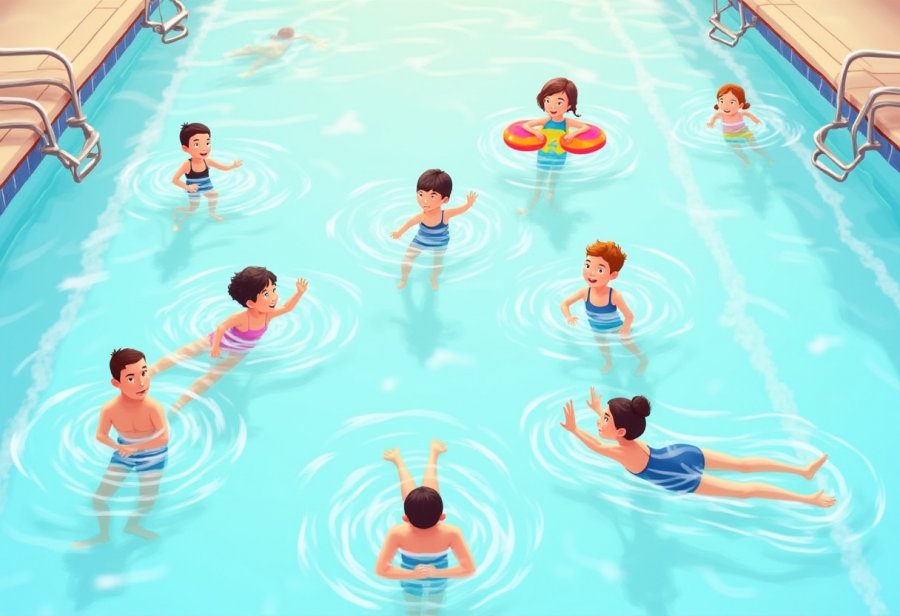
Transform Your Life Through Swimming: Overcome Fears and Build Confidence at Any Age
Learning to swim is more than just acquiring a new skill; it’s a journey that can reshape how you see yourself and the world around you. For many, the water initially feels like an intimidating, even threatening place. Facing that fear head-on might be one of the most empowering steps you’ll ever take, unlocking confidence, resilience, and a sense of freedom you didn’t think possible. Whether you’re a curious child, an adult with lingering anxiety, or someone simply wanting to feel safer around water, the first move into the pool is often the hardest but most rewarding.
That initial step can seem daunting—water’s unpredictability, the vulnerability of being submerged, and the fear of losing control all play a role. But by approaching it gradually, starting with small, manageable actions, you begin to build trust with the water. Simple techniques like steady breathing, floating, or supported gliding turn the water from an enemy into a partner in your growth. Each small success chips away at fear, replacing it with confidence and a sense of control.
Learning to swim isn’t just about physical movement; it’s about changing your mindset. Creating a safe environment—starting in shallow water, using supportive tools, and practicing in calm settings—helps you feel secure. As comfort grows, your mental barriers start to dissolve, opening the door to new possibilities. Visualizing yourself swimming smoothly or floating effortlessly reinforces positive expectations, making the journey less about fear and more about discovery.
This process is deeply personal and varies from person to person. Some may progress quickly, while others need more time and patience. What matters most is persistence and kindness toward yourself. Celebrating every small milestone, whether it’s dipping toes into the water or floating unaided, builds trust in your abilities. Over time, these moments become the foundation of genuine water confidence, transforming anxiety into a feeling of mastery and joy.
Ultimately, learning to swim at any age reminds us that growth is possible at every stage of life. Facing fears and overcoming them isn’t reserved for childhood—it’s a lifelong journey. The courage to start, to face initial discomfort, can lead to a profound sense of independence and safety. And as you continue to build your skills, you’ll discover that the water becomes not just a challenge you’ve conquered but a space for ongoing exploration, fun, and personal transformation.
Conquering Water Anxiety: Master Fundamental Skills and Break Mental Barriers
Many people’s fear of water often roots back to early experiences or a discomfort with the unknown. That anxiety can manifest as panic, dizziness, or a sense of vulnerability when submerged or near water. Recognizing these roots helps you approach overcoming it with clarity. For most beginners, the fear isn’t just about water itself but about losing control or feeling unsafe. Building familiarity through basic techniques—like controlled breathing, floating, and simple strokes—creates a sense of trust and security that gradually diminishes anxiety.
Mastering fundamental swimming skills is about more than just moving through water; it’s about gaining confidence and control. Developing steady breathing patterns, practicing floating, and learning basic strokes help break down the psychological barriers that fuel fear. When you feel in command of your breath and body, water becomes less intimidating and more manageable. These core skills lay the groundwork for all other water activities and foster a sense of mastery that reassures your mind and body.
Addressing mental hurdles requires patience and consistent effort. Negative thoughts, past mishaps, or the perception of water as a threat can reinforce anxiety. Replacing these with small, successful experiences—like floating supportively or practicing breath control—can reframe your mindset. Starting in shallow water, where you can touch the bottom, allows for safe experimentation and gradual exposure. Over time, these tiny victories build trust, making water feel more familiar and less frightening.
Feelings of vulnerability often stem from water’s unpredictability. To counter this, approach water gradually and with supportive tools such as kickboards or floaties. These aids provide reassurance, enabling you to focus on specific skills without feeling exposed. Practicing in calm, controlled environments like shallow pools reduces the risk of overwhelm and helps reinforce a sense of safety. As confidence grows, you’ll naturally start relying less on aids, trusting your abilities more with each session.
Changing your mindset about water is crucial. Instead of viewing it as a threat, see it as a space for discovery and fun. Visualizations of effortless floating or confident swimming reinforce positive expectations. Incorporating mindfulness—focused breathing and present-moment awareness—helps calm nerves and keeps you centered during practice. As your perception shifts from fear to curiosity, overcoming anxiety becomes a more natural process, paving the way for genuine water confidence.
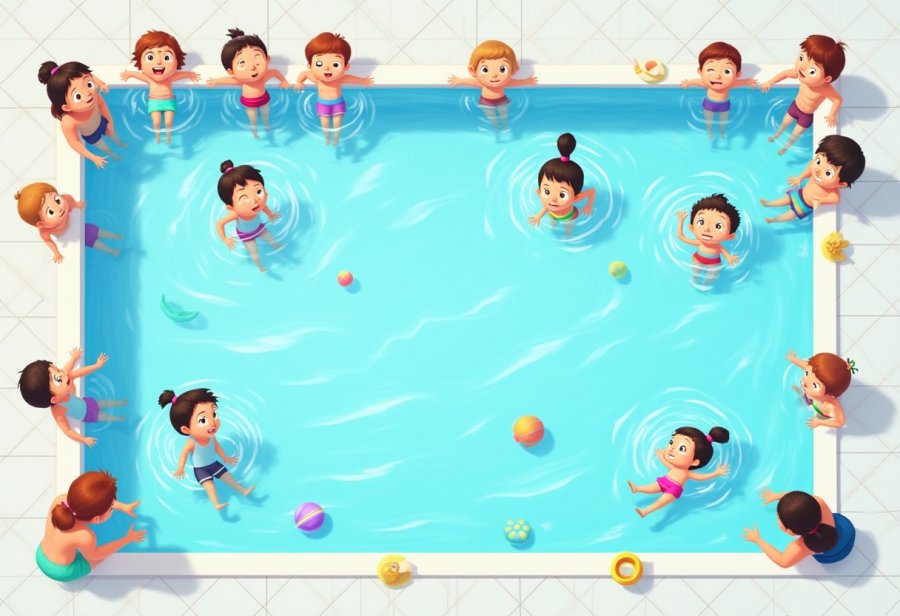
Evolving Water Education: Modern Trends and Innovations in Learning to Swim
Today’s approach to learning how to swim is more diverse and accessible than ever before. Community pools, local gyms, and specialized swim schools offer a wide range of classes designed to meet different age groups and comfort levels. This variety makes it easier for beginners to find a supportive environment that suits their needs, especially if they’re feeling nervous about water. Many programs now emphasize not just teaching strokes but also building confidence gradually through patient, personalized instruction.
Online tutorials, virtual coaching, and mobile apps are transforming how people learn to swim. These resources allow learners to review techniques at their own pace, revisit lessons as needed, and practice in their own pools or safe environments. This flexibility helps demystify swimming for those who might be intimidated by traditional classes. Emerging technologies, like virtual reality swim simulations, are also starting to offer immersive experiences that familiarize beginners with water scenarios, reducing anxiety before they even step into a pool.
Society’s attitudes toward swimming have shifted toward greater inclusivity and lifelong learning. There’s a growing focus on making water safety and confidence accessible to everyone, regardless of age, background, or physical ability. Community outreach and specialized programs target underserved populations, aiming to close gaps in access and opportunity. While these efforts are making progress, challenges remain—limited resources, lack of trained instructors, and scarce safety equipment in some areas can still hinder many from gaining essential water skills.
Innovation plays a key role in modern swimming education. Gamification, with reward systems and interactive challenges, makes practice more engaging for children and hesitant learners alike. Peer support groups and online communities foster shared progress, helping individuals stay motivated and connected. Additionally, trained instructors who understand water anxiety can adapt their teaching methods, creating positive, encouraging environments that help learners take risks and grow at their own pace.
Safety remains a priority in all modern programs. Well-maintained pools, qualified instructors, and vigilant supervision ensure that learners feel secure. These safety measures don’t just protect physically—they also build mental confidence, allowing students to focus on learning without fear. As a result, more people are willing to take those initial steps into the water, knowing they are in trusted hands.
Overall, the landscape of swimming education is evolving to be more inclusive, engaging, and flexible. Technology, community initiatives, and a focus on mental well-being are reshaping how people approach learning to swim at any age. These trends increase the chances that more individuals will turn fear into confidence, making water a space of safety, joy, and lifelong growth.
Practical Strategies to Cultivate Water Confidence and Courage
Building water confidence often begins with shifting your mindset to see water as a safe, welcoming space rather than a threat. Starting small—like sitting by the pool, dipping your toes, or splashing your face—helps break down emotional barriers. Celebrating each tiny victory reinforces trust in your abilities and makes the journey feel more manageable. These small steps lay the foundation for bigger progress and help transform fear into curiosity and enjoyment.
Deep breathing exercises are powerful tools to calm nerves and anchor your focus. When anxiety rises, slow, controlled breaths can reduce your heart rate and promote relaxation. Visualizing yourself floating effortlessly or swimming confidently creates a positive mental image that encourages action. Over time, these mental techniques become second nature, helping you stay grounded during challenging moments and turning apprehension into anticipation.
Choosing an instructor who understands water fears makes a significant difference. A patient, encouraging guide can tailor lessons to your comfort level, making each step less intimidating. Supportive feedback and reassurance foster safety, allowing you to take risks and learn from mistakes without feeling exposed. Feeling supported in a nurturing environment shifts your perception of water from a source of anxiety to a space for growth and achievement.
Tools like kickboards, pool noodles, or goggles can give you an extra sense of security. These aids help you focus on specific skills—like kicking or body position—without feeling overwhelmed or vulnerable. Using them as confidence boosters, you gradually rely less on these supports as your skills and trust grow. This process of gradual independence reinforces your belief that you can handle water more confidently over time.
Reframing your relationship with water is crucial. Instead of viewing it as dangerous, see it as an environment for exploration and fun. Visualization techniques, positive self-talk, and mindfulness practices keep you present and calm during practice. When you focus on what you can do and the progress you’ve made, water becomes less intimidating and more inviting. This mindset shift turns learning into an adventure rather than a challenge, fueling your motivation to keep going.
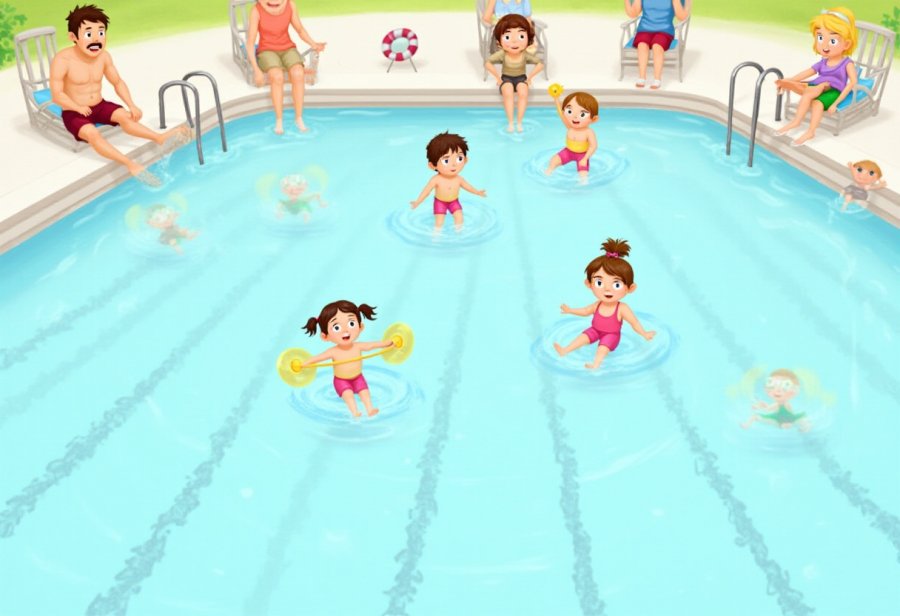
Lifelong Water Confidence: Reflect, Grow, and Embrace the Joy of Swimming
Building water confidence is an ongoing journey, one that extends far beyond those initial lessons. Every small step—whether it’s dipping toes into the water, floating supportively, or swimming a few strokes—lays a foundation of trust and safety that strengthens over time. Recognizing and celebrating these milestones keeps motivation alive and reminds us that progress is gradual, not instant. Each achievement, no matter how minor, marks a moment of growth and resilience, reinforcing that persistence pays off.
Many people have transformed their fears into confidence through patience, practice, and a positive mindset. Stories of adults who once avoided water now swimming comfortably, or children who happily splash around after hesitation, prove that change is possible at any age. These narratives highlight that setbacks are just part of the process. The key lies in staying committed, practicing regularly, and viewing challenges as opportunities to learn rather than failures.
Continuing to explore new techniques and approaches keeps the water confidence journey dynamic. Whether it’s refining breathing exercises, revisiting familiar skills, or trying new water activities, each step deepens your connection to water. Embracing curiosity rather than perfection fosters resilience and broadens your sense of what’s achievable. Confidence in the water isn’t static; it evolves as you grow more comfortable and adventurous, turning every experience into a building block.
Shifting your mindset around water is crucial to maintaining progress. Instead of dwelling on past fears or mistakes, focus on your small victories and visualize future successes. Imagining yourself floating effortlessly or swimming with ease reinforces positive expectations and builds mental strength. When water transforms from a source of anxiety into a realm of exploration and joy, overcoming lingering fears becomes more natural and sustainable.
Lifelong water confidence depends on staying engaged and motivated. The more you approach water with curiosity and playfulness, the more familiar and comfortable it becomes. Whether for fitness, leisure, or safety, maintaining a relaxed attitude keeps the experience rewarding. Exploring new activities or revisiting familiar skills helps deepen your trust in yourself, ensuring that water remains a space of growth rather than obstacle.
Recognize that confidence fluctuates; some days will feel easier, others more challenging. This variability is normal. Mental tools like deep breathing, visualization, and positive self-talk can help manage nerves and keep you centered. Over time, these strategies become second nature, making water a domain of empowerment rather than fear. With each attempt, you reinforce your ability to handle water confidently.
Surround yourself with supportive people who encourage your progress—friends, family, or fellow learners. Sharing successes and setbacks creates a sense of community that fuels motivation and accountability. Their encouragement helps transform water from a source of anxiety into a space of shared achievement. Remember, you’re not alone in this journey, and collective support makes the path smoother and more enjoyable.
Finally, stay curious and open to growth. Trying new techniques, revisiting familiar exercises, or exploring different water activities keeps your relationship with water fresh and engaging. Confidence is not a fixed state but a dynamic, evolving trait. The more you invest in your continual learning, the more water becomes a space of possibility, freedom, and lifelong enjoyment. Keep taking those small steps—each one brings you closer to a future where water is a source of strength, safety, and joy.