Learning to ride a bike is more than just mastering balance; it’s a profound rite of passage that strengthens family bonds and instills courage. From hesitant starts to triumphant rides, children learn resilience, trust, and independence—lessons that extend beyond the pavement. But does the fear of falling overshadow the thrill of freedom? In a journey rooted in history and cultural significance, modern innovations such as safety gear, virtual training, and bike-friendly cities are transforming the experience, making it safer and more accessible than ever. This milestone teaches children to face fears, embrace perseverance, and develop social and life skills that last a lifetime. As technology and infrastructure evolve, the path toward independence becomes smoother, prompting us to ask: how will the future of learning to ride continue to empower generations to come?
Courage and Connection: The Heartfelt Journey of Learning to Ride
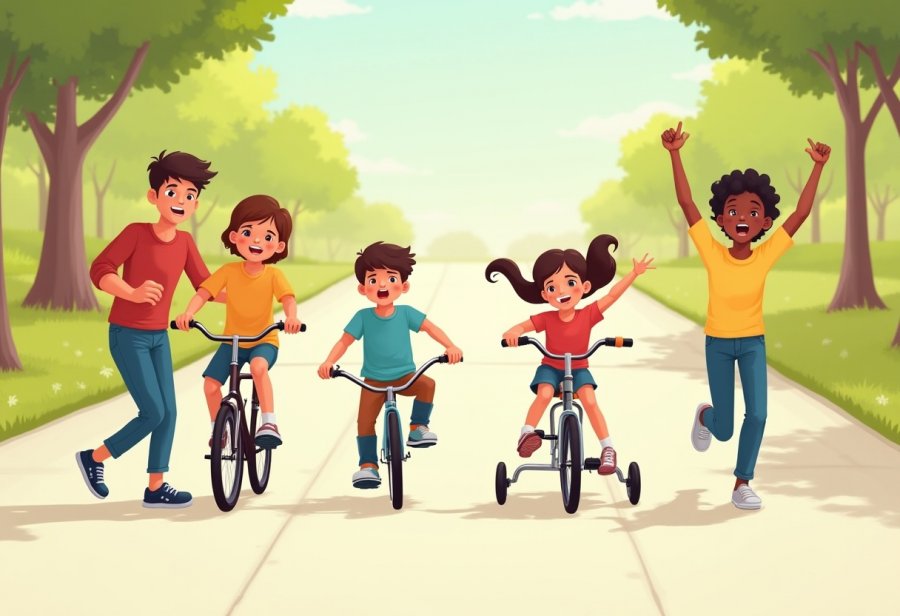
Learning to ride a bike isn’t just about balancing on two wheels; it’s a moment that captures the heart of family connection and personal bravery. For many kids, that first wobble or tentative push on the pedals marks a significant step toward independence. It’s a shared experience that often brings families closer—parents cheering from the sidelines, siblings offering encouragement—and creates memories rooted in trust and support.
This milestone is more than a physical skill. It teaches children that falling isn’t the end of the story but part of the learning process. The nervousness before pushing off, the wobbling balance, and the eventual glide all reveal the emotional depth behind mastering the bike. These moments show that bravery isn’t about being fearless but about trying despite your fears, knowing loved ones are there to catch you if you fall.
Family bonds are woven into each wobble and tumble, turning riding into a shared rite of passage. Whether it’s holding onto a seat, running alongside, or celebrating small victories, these gestures turn a simple activity into a meaningful experience. They instill confidence and resilience, reminding children that they’re supported every step of the way.
Learning to ride also reflects broader lessons about perseverance and trust. Every wobble or fall becomes a chance to practice patience and grit. Overcoming these hurdles with family support builds a sense of achievement that lasts beyond childhood, shaping how kids face future challenges. In that sense, riding a bike symbolizes more than mobility—it’s a metaphor for facing fears and leaning on loved ones to reach new heights.
In the end, learning to ride a bike is a beautiful blend of growth and connection. It’s about the courage to try, the strength of family support, and the joy of shared victories. These early lessons in bravery and trust lay the groundwork for facing life’s obstacles, showing us that the journey toward independence is often best traveled together.
From Primitive Beginnings to Cultural Symbol: The History of Riding
The story of learning to ride a bike stretches back over a century, with its origins rooted in various cultures around the world. The earliest versions, like the Laufmaschine or “running machine,” appeared in the early 1800s. These primitive devices resembled a precursor to modern bicycles and weren’t just toys—they sparked a movement toward personal mobility and freedom. As bikes evolved to become lighter and safer, they shifted from novelty items to symbols of independence, especially in Western societies where cycling began to represent more than just transportation.
Different regions have infused cycling with unique cultural meanings. In parts of Europe during the late 19th century, children’s first rides often marked a rite of passage, celebrated with small ceremonies or photographs that captured their entry into exploration. In Asia, cycling has long symbolized self-reliance and social connection, helping individuals reach markets, schools, and workplaces. Meanwhile, in Latin America and Africa, bikes are woven into everyday life, serving as vital tools for commuting, work, and community engagement. For many, learning to ride signifies a crucial step toward opportunity and mobility.
Technological advances have played a key role in shaping how children learn to ride. Early bikes were heavy, lacked gears, and often had limited safety features, making parents cautious. To help children develop confidence gradually, innovations like training wheels and balance bikes emerged in the 20th century. These tools made the process safer and more approachable, reducing the fear of falling and transforming riding from a daunting challenge into an attainable milestone. They allowed kids to focus on building balance and coordination step by step.
Throughout history, innovations such as the safety bicycle of the late 1800s democratized cycling, making it accessible for families and children alike. Major events like the Tour de France elevated cycling into a sport that celebrated resilience, skill, and perseverance. These developments reinforced the idea that riding is more than just a practical skill—it’s a symbol of strength and personal growth. Advocacy for safer, more inclusive bike designs further emphasized that learning to ride is a universal milestone, connecting generations and communities.
Cultural celebrations of this milestone continue to reflect shared values. Whether through family rituals, community races, or simple shared moments, riding a bike bridges gaps and fosters a sense of belonging. Although the ways in which different societies approach learning to ride vary, the core themes of growth, freedom, and connection remain consistent. This universal experience, shaped by history and cultural values, reminds us that taking risks, trusting oneself, and supporting each other are timeless lessons that transcend borders.
As we look to the future, the evolution of cycling education promises even greater accessibility and innovation. From sensors that give real-time feedback to virtual reality training environments, technology is making learning to ride safer and more engaging. Improved infrastructure, like dedicated bike lanes and traffic-calmed zones, creates safer spaces for children to practice. These developments highlight that the journey of learning to ride is not just about physical skills but about fostering confidence, independence, and connection—an enduring legacy that continues to evolve with each new generation.
Today’s Approach: Safety, Patience, and Technological Innovation in Learning to Ride
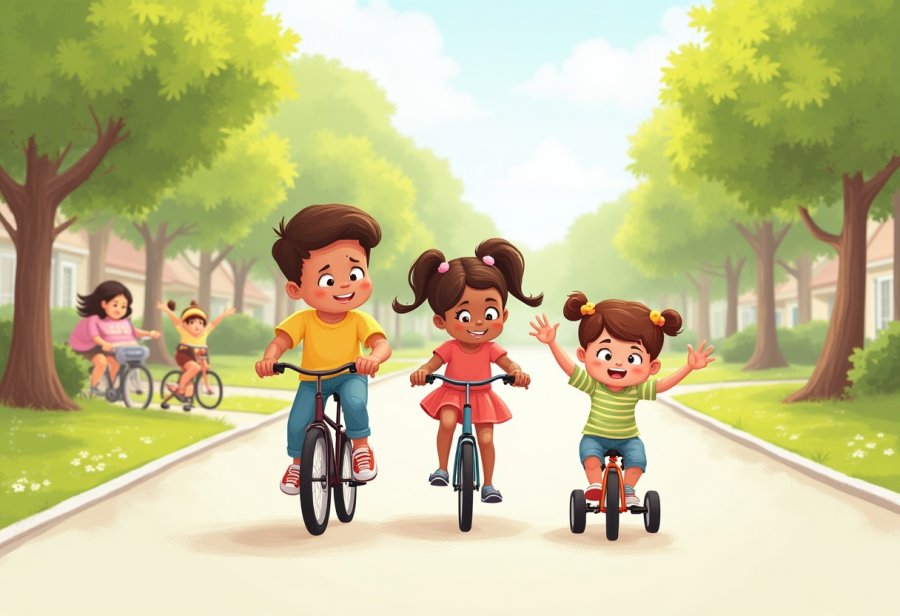
Today, learning to ride a bike is more structured and safety-conscious than ever before. Parents and educators typically start with balance bikes or training wheels, offering children a gentle way to develop coordination and confidence without feeling overwhelmed. This step-by-step approach makes the process less intimidating and helps kids build a foundation of trust in their abilities. Practice often takes place in safe environments like parks, quiet streets, or driveways, where children can focus on mastering their skills without the pressure of traffic or distractions.
Safety gear has become a standard part of the experience. Helmets, knee pads, and reflective clothing are now widely promoted, turning cycling into an enjoyable activity that emphasizes responsibility alongside fun. Many schools and community centers offer cycling safety classes, teaching kids how to handle their bikes and navigate their surroundings confidently. These programs aim to make learning accessible and enjoyable, reinforcing that safety and enjoyment go hand in hand.
Attitudes around learning to ride now recognize that every child progresses at their own pace. Patience and encouragement are key, with celebrations reserved for small victories rather than rushing toward mastery. When kids wobble or fall, these setbacks are viewed as natural parts of the learning journey. Supportive environments help build resilience, showing children that persistence matters more than perfection and that trying again after a fall is just part of growth.
Technology has also transformed how children learn to cycle. Virtual tutorials, instructional videos, and interactive apps provide visual guidance and instant feedback, making practice sessions more engaging. Some tools even incorporate virtual reality scenarios where kids can simulate riding in different environments, helping them prepare for real-world challenges in a safe, controlled setting. These innovations help demystify the process and boost confidence from the start.
Urban planning plays a role too, with cities increasingly designing bike-friendly spaces. Dedicated bike lanes, traffic-calmed zones, and safe playgrounds create ideal environments for children to practice and explore cycling. These investments encourage outdoor activity and normalize biking as a regular part of childhood, making the experience more inviting and accessible for families everywhere.
Parents and community groups are more involved than ever, offering inclusive programs that promote cycling for children of all backgrounds and abilities. By providing affordable gear, organized lessons, and supportive networks, they remove barriers and foster a culture where learning to ride is seen as an achievable, joyful milestone. This collective effort helps ensure that every child can experience the freedom and independence that come with mastering a bike.
Despite ongoing debates about the best age to start or the necessary safety gear, the core principles remain clear: patience, proper tools, and supportive environments are essential. As infrastructure improves and technological tools evolve, learning to ride continues to become safer, more accessible, and more fun. The focus remains on empowering children to develop confidence and independence, laying the groundwork for a lifetime of active, responsible cycling.
Beyond Balance: How Cycling Skills Build Confidence and Life Skills
Learning to ride a bike does more than teach balance and coordination; it lays the groundwork for skills that extend into everyday life. When children master cycling, they gain a sense of independence that encourages exploration and confidence. This newfound freedom often inspires them to try new activities, navigate unfamiliar environments, and approach challenges with a more positive outlook. The physical coordination and decision-making skills developed on two wheels help them become more aware of their surroundings and make smarter choices in real-world situations.
Cycling also fosters healthy habits that last well beyond childhood. Regular outdoor riding promotes physical activity, supporting overall health and well-being. The discipline needed to improve—whether it’s practicing balance, steering, or braking—builds persistence and patience. These qualities are crucial not just on the bike but in school, hobbies, and personal relationships, reinforcing that progress comes through effort and resilience. Learning to fall and get back up teaches kids that setbacks are part of growth, instilling a growth mindset that serves them in many areas of life.
Beyond individual skills, riding a bike strengthens social bonds and family connections. Kids riding with friends or family share moments of joy, teamwork, and encouragement. Celebrating small victories, like riding independently or mastering a tricky corner, boosts their confidence and sense of achievement. These shared experiences teach cooperation, patience, and the importance of supporting others through their struggles, deepening trust and emotional bonds.
The skills gained through cycling—such as steering, balancing, and quick decision-making—are directly applicable in daily life. Navigating busy streets, avoiding obstacles, or crossing crowded parks all require assessing risks and acting confidently. Learning to respect traffic rules and prioritize safety fosters responsibility and awareness, qualities that translate into broader social and personal contexts. These lessons in accountability and mindfulness help children become more self-reliant and considerate individuals.
As children grow, the independence they develop from riding a bike often leads to taking on more responsibilities. They might start biking to school or helping with neighborhood errands, which reinforces time management and planning skills. These experiences cultivate self-reliance and autonomy, laying a foundation for future independence. Cycling becomes a powerful metaphor for growth—showing that facing fears and embracing challenges can lead to meaningful progress and confidence that lasts a lifetime.
In the end, learning to ride isn’t just about mastering a skill—it’s about building resilience, fostering independence, and nurturing social connections. The lessons learned on two wheels—perseverance, trust, and responsibility—become valuable tools that children carry into all facets of life. Cycling is more than a childhood milestone; it’s an empowering journey that shapes confident, capable individuals ready to face whatever comes next.
Embracing the Future: Innovations and Opportunities in Learning to Ride
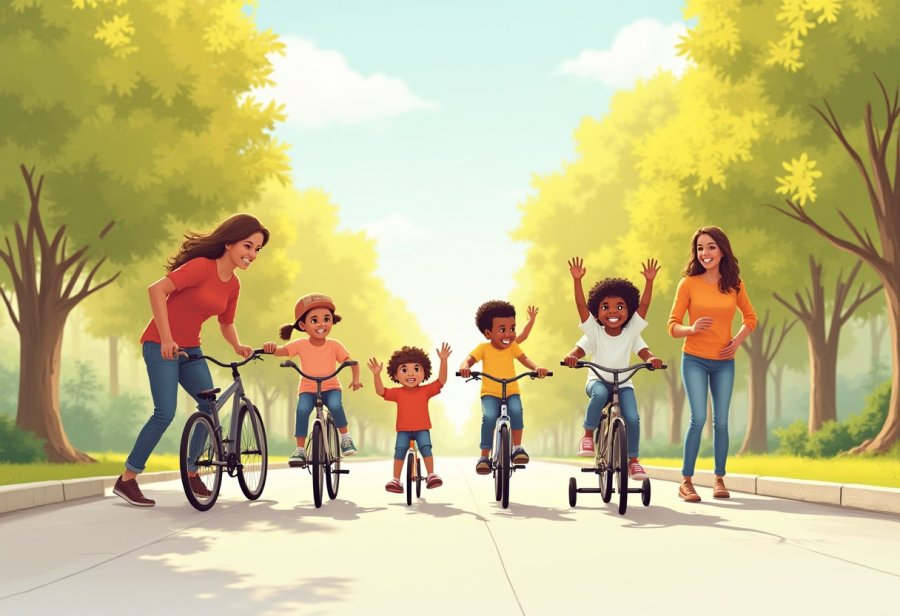
Looking ahead, the way children learn to ride bikes is set to become more engaging and accessible thanks to emerging technology. Sensors embedded in bikes could soon provide real-time feedback, helping kids refine their balance and steering with greater confidence. Virtual reality training tools may also become common, offering safe environments for practice without the risk of falling. These innovations promise to make the learning process less intimidating and more enjoyable, allowing children to build skills in controlled settings before venturing into real-world traffic.
At the same time, urban planning is evolving to support this shift. Cities are increasingly designing bike-friendly spaces—like dedicated lanes and traffic-calmed zones—that create safer environments for kids to practice and explore cycling. These improvements not only encourage outdoor activity but also normalize biking as a regular part of childhood routines. As infrastructure continues to develop, it becomes easier for children to gain independence through cycling, fostering lifelong habits of active, sustainable transportation.
Environmental awareness is also shaping the future of riding. Bikes made from sustainable materials and designed with eco-friendly practices are gaining popularity, aligning with global efforts to reduce carbon footprints. As communities adopt greener initiatives, cycling is positioned as both a fun activity and a responsible choice. This message reinforces that biking can be part of a healthier, more sustainable lifestyle from an early age, inspiring young riders to see themselves as stewards of the environment.
Beyond hardware and infrastructure, digital tools and community programs are making cycling education more inclusive and personalized. Interactive apps, online tutorials, and gamified lessons can adapt to each child’s pace, offering encouragement and tailored guidance. School and community-led initiatives are also integrating virtual challenges and neighborhood rides, motivating children to practice regularly and build confidence. These efforts aim to remove barriers and ensure that every child can experience the joy and independence that come with learning to ride.
As these innovations unfold, the core lessons of courage, support, and resilience remain central. The future of learning to ride promises safer, more fun, and more accessible experiences that will inspire new generations to embrace cycling. With technology, smarter infrastructure, and inclusive programs working hand in hand, children will continue to ride into a future filled with possibility, growth, and independence. The journey from wobbling beginner to confident rider will be smoother and more empowering than ever before.