In an era where effective communication can make or break a business, customized telephony solutions emerge as game-changers. Imagine transforming your company’s interactions into strategic assets—streamlined, professional, and adaptable—thanks to devices like Grandstream’s IP phones and centralized management systems. But how far can tailored systems go in accelerating growth, enhancing customer loyalty, and supporting remote teams? From humble origins of manual switchboards to today’s cloud-based platforms, telephony has evolved into a sophisticated, dynamic tool that adapts seamlessly to modern demands. The future promises AI-powered voice recognition, IoT integration, and smarter automation—raising the question: are you leveraging the full potential of these innovations? Embracing tailored telephony isn’t just technology—it’s a strategic move toward agility, security, and competitive advantage in an increasingly digital world. The path forward is clear: those who innovate now will lead tomorrow’s communication landscape.
Transform Your Business Communication with Customized Telephony Solutions
In today’s fast-paced business environment, effective communication isn’t just a convenience—it’s a necessity. Companies that rely on clear, reliable telephony systems can better serve customers, coordinate teams, and stay ahead of the competition. That’s where customized telephony solutions come in, offering tailored features and configurations that fit each organization’s unique needs. Instead of settling for generic setups, businesses can craft communication systems that align perfectly with their workflows, industry demands, and growth plans.
These personalized systems do more than just connect calls; they transform how a business interacts internally and externally. By integrating features like auto-attendants, dedicated lines, and CRM connections, customized telephony streamlines operations and creates a more professional, seamless experience for clients. This isn’t just about technology—it’s about turning communication channels into strategic assets that support efficiency and customer loyalty.
Transitioning from traditional phone systems to tailored solutions isn’t a simple upgrade; it’s a strategic move toward smarter, more adaptable communication. It allows organizations to be agile—supporting remote teams, scaling up as needed, and upgrading features without overhauling the entire infrastructure. When communication becomes flexible and responsive, decision-making speeds up, misunderstandings decrease, and customer satisfaction naturally improves.
The evolution of telephony technology over the decades highlights its growing importance in the modern workplace. From early landlines operated by switchboard operators to today’s cloud-based platforms, each step has aimed to improve clarity, flexibility, and manageability. Digital systems introduced voicemail and auto-attendants, but these were often hardware-dependent and limited in customization. Now, cloud solutions offer remote management, easy scalability, and seamless integration with other digital tools—changing the game entirely.
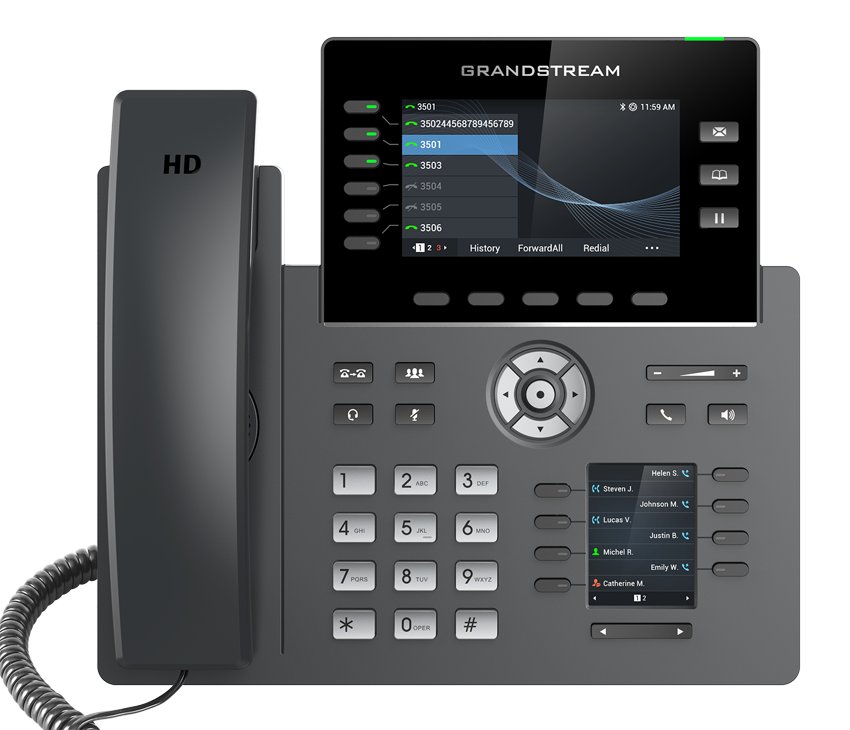
Choosing the right telephony system depends heavily on understanding your business’s specific needs. Devices like Grandstream’s GRP series IP phones are designed for straightforward deployment and management, especially when combined with centralized platforms like GDMS. This approach simplifies setup, reduces errors, and makes ongoing management more efficient, ensuring your communication infrastructure supports your growth without unnecessary complexity.
Ultimately, implementing a customized telephony solution isn’t just about technology—it’s about empowering your team to communicate better and faster. The right system helps build trust with customers, improves operational workflows, and scales with your business. As technology continues to evolve, those who embrace tailored, flexible communication solutions will be better positioned to succeed in a competitive, digital-first world.
Journey Through the Evolution of Telephony from Landlines to Cloud Power
Telephony technology has evolved dramatically since its inception, transforming from simple analog systems into the sophisticated, customizable solutions businesses rely on today. It all began in the late 19th century with Alexander Graham Bell’s invention of the telephone, which revolutionized communication by transmitting voice over wires. Early systems relied heavily on manual switchboards operated by human operators, connecting calls through physical wires—a process effective for its time but labor-intensive and limited in capacity.
Moving into the 20th century, innovations like rotary dial phones automated much of the call-routing process, allowing users to dial directly and reducing reliance on operators. These devices made communication faster and more accessible but still depended on fixed hardware setups that offered little room for customization. Despite these advances, early systems remained primarily wired voice transmission platforms, with limited flexibility or integration options.
The digital revolution marked a major turning point, bringing clearer sound quality and more reliable connections. Transitioning from analog to digital systems introduced features such as voicemail, call forwarding, and automated attendants, making communication more efficient. However, these systems still relied heavily on dedicated hardware, which limited their adaptability and scalability for growing organizations.
The rise of IP networks and the internet in the late 20th century brought about Voice over IP (VoIP) technology, which broke free from traditional copper wires. VoIP enabled voice calls to travel over data networks, offering unprecedented flexibility, scalability, and ease of customization. Businesses could now implement auto-attendants, call routing, and other features tailored to their specific needs, supporting remote work and hybrid communication models that are now standard.
Today, cloud-based telephony stands at the forefront of this evolution. These platforms provide scalable, centrally managed systems that organizations can deploy and update remotely, without heavy hardware investments. Cloud solutions facilitate quick rollouts across multiple locations, enabling real-time upgrades and streamlined management. This progression from hardware-dependent setups to digital and cloud platforms underscores telephony’s ongoing transformation into a dynamic, adaptable business tool.

Navigating the Modern Landscape of Versatile and Integrated Telephony Systems
Today’s telephony landscape is more versatile and user-focused than ever before. Organizations can choose from a range of deployment options—cloud-based, on-premises, or hybrid—that suit their size, industry, and growth ambitions. Cloud platforms are especially popular, offering quick setup, remote management, and the ability to seamlessly update features. This flexibility allows teams to operate from anywhere, supporting the rise of remote and distributed workforces without sacrificing functionality or control.
On-premises systems still hold appeal for those prioritizing security and full control over their communications. These setups involve dedicated hardware installed within the organization’s infrastructure, often meeting strict compliance standards. While they usually require higher initial investments and dedicated IT support, they provide deep customization and a sense of security that many regulated industries demand. Hybrid models blend both approaches, giving businesses the best of both worlds—keeping sensitive operations on-site while leveraging cloud benefits for scalability and ease of management.
Implementing these tailored solutions involves collaboration across multiple stakeholders, from service providers to internal IT teams and end-users. Devices like Grandstream’s GRP series IP phones are designed for straightforward deployment and management, especially when paired with centralized platforms such as GDMS. This setup simplifies configuration, provisioning, and ongoing oversight, reducing errors and enabling quick updates across multiple locations. Proper planning, staff training, and continuous support are key to ensuring the system’s effectiveness and minimizing disruptions.
Features like auto-attendants, dedicated lines, and CRM integration help streamline call handling and elevate customer experience. These capabilities not only boost operational efficiency but also enable personalized interactions that foster trust and loyalty. As telephony solutions become more sophisticated, they empower organizations to respond faster to customer needs, adapt quickly to changing business environments, and create a more seamless communication flow.
Security remains a top priority as these systems grow more connected. Implementing robust encryption, regular firmware updates, and strict access controls safeguards sensitive conversations and data. Cloud management tools like GDMS help centralize security measures, but ongoing staff education and vigilance are essential. Maintaining a secure, reliable communication infrastructure builds trust with clients and ensures compliance with industry standards, forming the backbone of a resilient business communication strategy.
Practical Strategies for Implementing Tailored Telephony Solutions Successfully
Implementing customized telephony solutions begins with a clear understanding of your organization’s specific communication needs. Whether you’re a small business seeking simple cloud-based IP phones or a larger enterprise requiring a complex on-premises setup, selecting the right devices and infrastructure is key. Devices like Grandstream’s GRP series IP phones are designed for easy deployment across multiple locations, making it straightforward to roll out a consistent system. Pairing these with centralized management platforms such as GDMS streamlines configuration, provisioning, and ongoing oversight, reducing errors and saving valuable time.
Once the hardware is in place, focus shifts to configuration and management. Using tools like GDMS allows IT teams to remotely set up devices, monitor performance, and push updates seamlessly across all endpoints. This centralized approach minimizes disruptions, especially when deploying across multiple sites. Providing staff with targeted training on features like call forwarding, transfer, and voicemail management ensures they can maximize the system’s capabilities from day one, boosting overall efficiency and user satisfaction.
Real-world deployments illustrate how tailored telephony transforms business operations. For instance, a retail chain can install Grandstream IP phones in all stores, utilizing auto-attendants and call routing to handle high call volumes efficiently. Centralized management enables quick updates to greetings or extensions without onsite visits, keeping the system aligned with evolving needs. Similarly, remote tech support teams leverage cloud-managed VoIP to deliver seamless customer service regardless of location. These examples highlight how customization supports operational agility and enhances customer experiences.
Effective implementation also depends on thorough planning and stakeholder collaboration. Engaging service providers, internal IT, and end-users early helps ensure the system integrates smoothly with existing infrastructure and security protocols. Clear communication about deployment timelines and responsibilities prevents delays and misunderstandings. Incorporating ongoing support and troubleshooting into the rollout process ensures issues are addressed promptly, maintaining system reliability and minimizing downtime.
Training and feedback from staff are crucial for maximizing the benefits of a new telephony system. Educating employees on new features encourages better utilization, while their insights can reveal opportunities for further customization. Regular reviews of system performance, along with updates on security practices, keep the communication infrastructure aligned with changing business needs and technological advancements. This proactive approach ensures the telephony system remains a reliable and scalable asset.
With careful planning, stakeholder involvement, and continuous support, implementing a tailored telephony solution can significantly boost operational efficiency. It creates a foundation that supports growth, enhances customer engagement, and adapts easily to future needs. By choosing the right devices, leveraging centralized management, and prioritizing staff training, organizations turn their communication channels into powerful strategic tools, driving success in today’s competitive, digital landscape.

Embracing the Future: Cutting-Edge Trends and Innovations in Telephony Technology
The future of customized telephony is set to be shaped by rapid technological advancements that will redefine how businesses communicate. Artificial intelligence (AI) will become integral, enabling smarter, more intuitive systems. Expect voice recognition, advanced call routing, and predictive analytics to handle inquiries seamlessly, making interactions feel more natural and efficient. Virtual assistants powered by AI will take over routine tasks, freeing staff to focus on more complex, value-added activities, which can significantly boost productivity and customer satisfaction.
At the same time, the Internet of Things (IoT) will deepen integration across workplace systems. Telephony devices will connect effortlessly with customer management platforms, automation tools, and even building systems. This interconnected environment will facilitate real-time data sharing and automation, allowing communication channels to adapt instantly to changing needs. Companies will be able to craft highly personalized, responsive communication experiences that support remote, mobile, and global teams more effectively than ever before.
Cloud technology will continue evolving, making deployment and management even more straightforward. As platforms become more scalable and flexible, organizations will experiment with new features or expand their systems without heavy investments or lengthy delays. Centralized control via cloud management will enable rapid scaling across multiple locations, helping organizations stay agile and competitive. This flexibility will empower businesses to create tailored communication environments that grow alongside their needs and innovations.
Security and data privacy will remain top priorities as these systems become more interconnected and intelligent. Protecting sensitive conversations and customer data will require ongoing efforts—encryption, regular firmware updates, and strict access controls will become standard. Companies will need to stay proactive, balancing the benefits of smarter, integrated communication with robust safeguards. Maintaining trust and compliance will be essential for widespread adoption and long-term success.
Emerging trends like AI, IoT, and cloud solutions will unlock new opportunities for organizations willing to innovate. Smarter, more personalized systems will enhance customer experiences, streamline workflows, and give businesses a competitive edge. Early adoption of these technologies will be key; those who continually explore new features and integrate innovative tools will stay ahead of the curve, creating communication channels that are more responsive, efficient, and aligned with future demands.
As these innovations unfold, the landscape of telephony will become increasingly dynamic and user-centric. The next generation of systems will blur the lines between communication, automation, and analytics—forming a cohesive ecosystem that supports every aspect of business operations. The ability to customize and scale these solutions will be critical for growth, resilience, and relevance in a digital-first world. Embracing this evolution now positions organizations to lead in the rapidly changing realm of business communication.