In a rapidly evolving digital landscape, the power of customizable telephony solutions lies in their ability to transform how organizations communicate—streamlining workflows, enhancing customer engagement, and boosting efficiency. Grandstream’s innovative devices, especially the scalable GRP series IP phones, exemplify this shift, offering high performance, security, and effortless management through platforms like GDMS. But is your current system prepared to adapt to future needs? With cloud-based management, automated deployment, and advanced features like auto-attendants and encrypted calls, businesses can achieve a new level of flexibility. Yet, the challenge remains: how to seamlessly design, deploy, and maintain a tailored network that supports growth and resilience? This guide explores the strategic steps to build a robust, scalable telephony infrastructure, revealing how cutting-edge hardware paired with smart management tools can unlock communication excellence—ultimately turning your system into a strategic business asset. Are you ready to unlock its full potential?
Transform Business Communication with Customizable Telephony Solutions
In today’s fast-moving business world, clear and efficient communication isn’t just a nice-to-have—it’s a must. Companies are increasingly turning to customizable telephony systems to streamline workflows, enhance customer interactions, and boost productivity. Instead of relying on rigid, one-size-fits-all solutions, modern organizations seek flexible setups that adapt seamlessly to their unique needs. Features like smart call routing, auto-attendants, and smooth integration with existing tools make daily communication more responsive and error-free.
Customizable telephony isn’t just about adding fancy features; it fundamentally transforms how teams connect and collaborate. When a system is tailored to specific operational requirements, it minimizes miscommunications and reduces bottlenecks. Employees can respond faster and serve customers more effectively through personalized voicemail, quick-access keys, and automated call handling. This creates a more professional experience that builds trust and loyalty with clients.
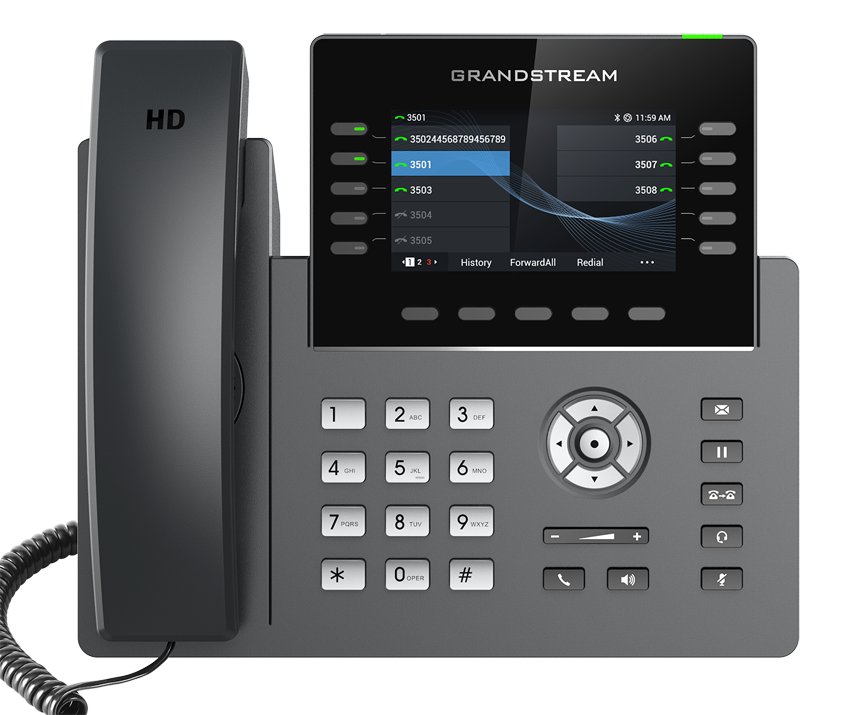
Supporting this shift are devices built for flexibility and growth. Grandstream’s range of IP phones, especially their GRP series, exemplify this approach. Designed for large-scale deployment, these phones handle high call volumes, feature programmable keys, and deliver clear HD audio quality. Their durable and adaptable design ensures every user has the right tools for effective communication, whether in a busy call center or an enterprise office.
Managing these devices becomes straightforward thanks to centralized control platforms like GDMS. This cloud-based system allows IT teams to configure, update, and monitor hundreds of devices remotely. Devices can be pre-configured before deployment, ensuring quick setup and consistent operation across multiple locations. This ease of management makes scaling and maintaining your communication network simpler and more reliable.
The move toward cloud-managed solutions further enhances flexibility. Cloud platforms enable remote oversight, making it easy to add new devices, adjust settings, and update firmware without onsite visits. This agility helps businesses stay ahead in competitive markets, adapting quickly to evolving demands and growth opportunities. It’s a strategic advantage that keeps your communication infrastructure aligned with your business goals.
By investing in tailored telephony systems powered by innovative devices like Grandstream’s IP phones, organizations can build smarter, more responsive communication networks. These solutions support growth, improve efficiency, and elevate the customer experience—all while simplifying management and ensuring future readiness. Embracing customization in telephony is no longer optional; it’s a critical step toward a more agile and effective business operation.
Building Blocks of Modern IP Telephony and Cloud Management
Modern telephony has rapidly shifted from traditional landlines to internet-based systems, offering much more than just voice communication. Today’s solutions are built on Internet Protocol (IP) technology, which transmits voice data as digital packets over existing networks. This change unlocks new levels of scalability and flexibility, making it easier for businesses to expand and adapt their communication infrastructure without significant hardware overhauls. IP telephony supports a wide array of features like auto-attendants, call forwarding, and voicemail-to-email, all of which can be customized to fit specific operational workflows.
At the core of this evolution is Voice over IP (VoIP), which converts voice calls into digital data for transmission over the internet. VoIP reduces costs by eliminating traditional phone lines and simplifies management through centralized control. Organizations can easily add or change features without physical upgrades, thanks to cloud-based management platforms that allow remote configuration, monitoring, and updates. This approach means businesses can deploy new services swiftly and maintain consistent communication quality across multiple locations.
Deployment strategies vary depending on organizational size and needs. Larger companies often prefer centralized control, managing all devices from a data center to ensure consistency and security. Smaller or distributed teams may opt for local deployment, placing devices closer to users to improve call quality. Cloud management tools support both setups, providing flexibility to adapt as the organization grows. This versatility ensures that telephony infrastructure remains aligned with evolving operational demands, whether in a single office or a multi-site enterprise.
Device provisioning has become more streamlined thanks to automation tools. Automated configuration profiles allow IT teams to pre-set device settings, which devices can then download automatically upon connection. This process minimizes manual setup, reduces errors, and speeds up deployment—crucial when rolling out hundreds of devices across various locations. Such efficiency supports rapid scaling, ensuring your communication network can grow without bottlenecks or delays.
Security and network performance are vital to maintaining reliable telephony. Implementing Quality of Service (QoS) protocols prioritizes voice traffic, preventing call quality issues during peak network usage. Secure provisioning methods, encryption, and regular firmware updates protect conversations from cyber threats and ensure compliance with industry standards. These practices help keep your system resilient, safeguarding sensitive data while delivering consistently high-quality voice communication.
Understanding these foundational elements—IP telephony, cloud management, and deployment strategies—sets the stage for building tailored, scalable communication systems. They form the backbone of modern telephony, enabling organizations to create networks that are both reliable today and adaptable for future growth. This knowledge is key to leveraging innovative devices like Grandstream’s IP phones, which support extensive customization and seamless management, ensuring your business stays connected and competitive.

Embracing Innovation: Trends Shaping Future-Proof Telephony
Modern telephony is experiencing a rapid transformation driven by technological innovation and the increasing demand for scalable, efficient communication. Cloud-based platforms now serve as the backbone for many organizations, enabling swift network expansion without the heavy costs of traditional hardware. Instead of complex on-premises setups, businesses rely on centralized management tools that facilitate quick deployment, seamless updates, and easy maintenance across multiple locations. This shift not only reduces expenses but also provides the agility needed to adapt to changing market conditions and growth opportunities.
Voice over IP (VoIP) technology continues to revolutionize how calls are handled by converting voice into digital data, drastically lowering costs while offering a host of advanced features. Auto-attendants, call forwarding, voicemail-to-email, and CRM integration are now standard, creating more streamlined workflows and better customer interactions. Cloud management platforms give organizations a single control point to oversee their entire communication infrastructure remotely, simplifying administration and troubleshooting. This level of control makes scaling up or modifying services straightforward, helping businesses stay nimble and competitive.
Emerging trends are shaping the future of telephony beyond basic features. Artificial intelligence-driven analytics provide insights into call patterns and customer behavior, enabling organizations to refine their service delivery. AI-powered assistants can automate routine tasks, freeing staff to focus on more complex issues. Security measures like end-to-end encryption and secure provisioning protocols have become essential, protecting sensitive conversations from cyber threats. These innovations turn modern telephony into a smarter, safer, and more adaptable tool that aligns with evolving business needs.
Different sectors and company sizes benefit uniquely from these advancements. Startups and small businesses often prioritize quick, cost-effective solutions that can be implemented rapidly. Larger enterprises require scalable systems, capable of supporting hundreds or thousands of users, with features like multi-site management and sophisticated call routing. Industry-specific needs also influence deployment—healthcare providers demand compliant, secure channels, while hospitality firms value flexible guest communication tools. This diversity underscores the importance of customizable solutions that can adapt to varying operational demands.
The move toward cloud platforms and device management tools like GDMS makes deployment and oversight more efficient than ever. Organizations can configure, monitor, and update devices remotely, ensuring consistent performance and security. Analytics and reporting tools help identify bottlenecks, measure system performance, and guide ongoing improvements. This proactive approach keeps communication systems resilient, flexible, and aligned with strategic goals, supporting sustained growth and innovation.
Keeping pace with these trends isn’t just about technology upgrades; it’s about future-proofing your entire communication infrastructure. By embracing these innovations, organizations gain reliable, flexible, and secure channels that enhance customer experiences, support remote work, and adapt swiftly to market shifts. Building a modern telephony system that leverages the latest solutions transforms communication from a basic necessity into a strategic asset—one that drives efficiency, growth, and long-term success.
Grandstream Devices: Powering Flexible and Scalable Communication
Grandstream’s lineup of devices offers a robust foundation for building customizable telephony systems that are both scalable and easy to manage. The flagship GRP series IP phones are designed specifically for large-scale deployment, supporting high call volumes, featuring programmable keys, and delivering HD audio quality. Their durable construction and flexible features make them ideal for busy environments like call centers, offices, and multi-site setups, ensuring consistent performance regardless of workload.
One of the key strengths of Grandstream devices is their support for extensive customization. Many IP phones come with programmable keys that can be tailored for specific functions, such as speed dials, conferencing, or quick access to frequently used features. This personalization streamlines daily workflows, helping employees handle calls more efficiently and reducing handling times. Security is also a priority, with encrypted calls and secure provisioning protocols that protect sensitive communications from cyber threats.
Managing a large fleet of devices is made straightforward through Grandstream’s GDMS platform. This cloud-based device management system provides centralized control, allowing IT teams to configure, monitor, and update hundreds of endpoints remotely. Devices can be pre-configured before deployment, and once connected, they automatically download their settings, ensuring consistency and reducing manual setup errors. This streamlined process supports rapid scaling, making it easy to expand your communication network quickly and reliably.
Deployment is further simplified thanks to compatibility with automated provisioning protocols like TR-069. Devices can retrieve their configuration profiles directly from the management platform upon connection, minimizing on-site setup and ensuring uniformity across all units. This efficiency is crucial for organizations looking to deploy large quantities of phones without sacrificing security or performance, enabling rapid rollout and minimal downtime.
Beyond IP phones, Grandstream offers complementary devices such as conference phones, Wi-Fi access points, and gateways. These products integrate seamlessly into the same ecosystem, creating a unified communication environment tailored to specific operational needs. Their compatibility ensures smooth interoperability and consistent management, whether deploying a few units or thousands across multiple locations.
Quality of Service (QoS) and secure provisioning are embedded features in all Grandstream hardware. Adaptive routing and bandwidth management optimize network performance, even during high traffic periods, maintaining clear and reliable voice quality. Encryption and regular firmware updates safeguard conversations and protect against cyber threats, ensuring your system remains resilient and trustworthy.
Grandstream’s device design emphasizes simplicity without sacrificing power. User-friendly interfaces and straightforward setup procedures make it accessible for organizations with limited technical resources. Whether deploying a handful of phones or thousands, these devices support a flexible, secure, and scalable telephony environment that adapts to your evolving needs.
In essence, Grandstream’s product range empowers businesses to develop tailored communication solutions that grow with their operations. Combining robust features, centralized management, and easy deployment, these devices enable organizations to deliver smarter, more responsive, and reliable communication experiences. By integrating hardware and management tools seamlessly, they lay the groundwork for a future-proof telephony infrastructure capable of supporting ongoing innovation.

Designing and Managing Tailored Telephony Systems for Business Success
Designing a customized telephony system begins with a clear understanding of your business’s specific communication needs. Assess call volumes, routing complexity, and integration requirements with tools like CRM or helpdesk platforms. This initial step helps identify the features that will truly enhance your operations, ensuring your investment delivers maximum value. Choosing the right devices, such as Grandstream’s scalable GRP series IP phones, is essential—they support extensive customization and can grow alongside your business, making daily workflows smoother and more efficient.
Once your needs are defined, focus on a strategic deployment plan. Centralized management platforms like GDMS enable remote configuration and pre-configuration of devices, which saves time and minimizes errors. Devices arrive ready-to-use, with settings tailored to your specifications, allowing for quick, consistent deployment across multiple locations. Proper planning during installation—secure connections, network segmentation, and thorough testing—lays a solid foundation for reliable, high-quality communication.
Managing your telephony environment is an ongoing process. Regular monitoring and updates are vital for security and performance. With GDMS, you gain a centralized dashboard to oversee all devices, troubleshoot remotely, and push firmware updates in bulk. This simplifies maintenance and ensures your system remains secure, up-to-date, and aligned with evolving business needs. Consistent oversight helps prevent downtime and keeps your communication channels running smoothly.
Security is critical when deploying a customizable telephony system. Implement strong passwords, enable network segmentation, and use secure provisioning protocols to protect sensitive conversations. Regularly audit device configurations and firmware versions to patch vulnerabilities proactively. These measures safeguard your data and foster trust with clients, especially in industries with strict compliance standards, ensuring your system remains resilient against cyber threats.
Educating your team on device features enhances the system’s value. Show employees how to use programmable keys, auto-attendants, and integrated tools to streamline their workflows. Ongoing training and feedback help refine configurations for better usability. When staff understand and effectively use their communication tools, overall efficiency improves, resulting in quicker response times and a more professional customer experience.
Finally, treat your telephony system as a dynamic asset that grows with your business. Use analytics tools to monitor call patterns, identify bottlenecks, and uncover opportunities for optimization. Regular reviews of workflows and configurations ensure your system adapts to changing demands. This proactive approach keeps your communication infrastructure resilient, flexible, and ready to support future expansion. Building a tailored, manageable system with Grandstream devices creates a powerful foundation for long-term success.