Embarking on your first camping adventure might feel daunting, but what if the key isn’t perfect gear, but the mindset you bring? This guide reveals how approaching outdoor trips with curiosity, patience, and flexibility transforms potential stressors into rewarding experiences. Instead of fixating on flawless setup or avoiding mishaps, embracing challenges as part of the journey fosters confidence and resilience. Discover how small wins—like mastering a tent or enjoying a sunset—build your confidence and deepen your connection to nature. Practical tips emphasize choosing beginner-friendly sites, packing essentials, and practicing skills beforehand, all while cultivating a positive outlook that makes surprises like weather changes part of the adventure rather than setbacks. Ultimately, shifting your perspective turns camping from a stressful task into an exciting exploration of both the outdoors and yourself. Are you ready to discover how a simple mindset can make your outdoor escape truly unforgettable?
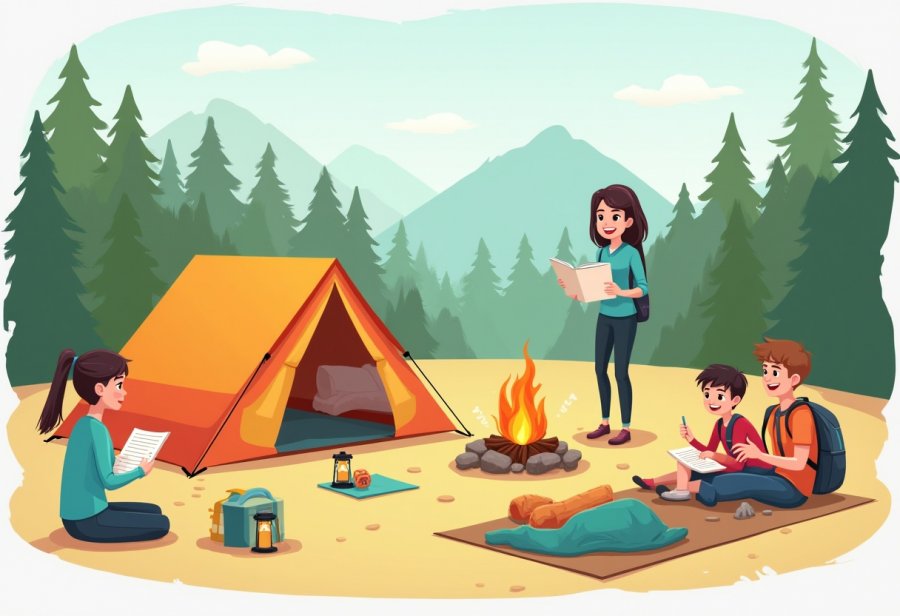
Harness the Power of the Right Camping Mindset for a Memorable First Trip
Starting your first camping trip can be both exciting and a little intimidating. It’s natural to worry about forgetting essential gear, not knowing exactly what to do, or feeling unsure about handling outdoor challenges. But here’s the key: success doesn’t depend solely on having the perfect equipment or a detailed plan. It hinges on the mindset you bring with you.
Your attitude shapes how you experience the outdoors. Approaching the trip with curiosity and openness transforms potential stressors into opportunities for discovery. When you see obstacles—like sudden rain or a tangled tent cord—not as failures, but as part of the adventure, you stay more relaxed and adaptable. This mindset helps you enjoy the moment instead of getting caught up in frustrations. It’s the foundation for turning a first trip into a memorable, enjoyable experience.
Confidence plays a crucial role. Many first-timers worry about their skills or fear making mistakes. But what truly matters is trusting yourself to learn as you go. Even small successes—like setting up your tent or lighting a campfire—boost your confidence and create a positive feedback loop. Remember, everyone starts somewhere, and even seasoned campers once felt unsure. Embracing that learning curve helps you stay motivated and optimistic throughout the journey.
Flexibility is another vital element. Nature doesn’t always stick to plans. Weather shifts, gear malfunctions, or unexpected detours are part of outdoor life. When you accept this, your mindset shifts from frustration to curiosity. Instead of feeling upset about a rainstorm, you might see it as a chance to enjoy a cozy evening in your tent or listen to the rain’s soothing sound. Staying adaptable keeps the experience enjoyable, no matter what surprises come your way.
Focusing on the positives also makes a difference. Instead of stressing over every detail, try to notice and appreciate the small joys—like a beautiful sunset, the scent of pine, or the sound of birds singing. These moments anchor you in the present and remind you why you chose to camp in the first place. A positive outlook not only enhances your own enjoyment but can also inspire others around you to relax and have fun, creating a more vibrant group atmosphere.
The right mindset begins before you even leave home. Reflect on what you hope to gain—whether it’s peace, adventure, or quality time with loved ones. Practice patience and flexibility in simple ways, like organizing your gear or learning basic outdoor skills. These small steps build confidence and reinforce a positive attitude. Over time, they help you handle the unpredictable with calm and resilience, turning potential stress into part of the adventure.
Remember, setbacks aren’t the end of the world. Weather changes, minor mishaps, or plans that shift are all part of outdoor life. Viewing these moments as opportunities rather than problems keeps your trip fun and memorable. A flexible, open mind allows you to find joy even in the unexpected, making every experience a chance to learn and grow.
Ultimately, your mindset is what unlocks the true magic of camping. Approaching the outdoors with curiosity, patience, and a willingness to adapt transforms what could be stressful into a series of meaningful moments. It’s about more than just surviving your first trip—it’s about embracing the journey, discovering new things about yourself, and creating stories worth sharing. When you focus on the positives and stay open to whatever comes, camping becomes not just an activity, but a rewarding adventure that keeps calling you back.
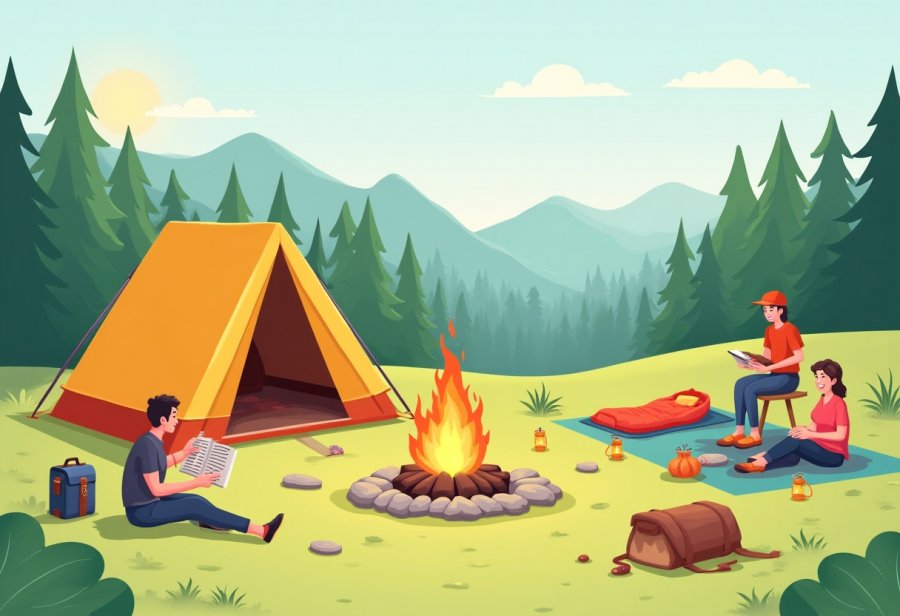
Practical Tips to Ensure a Smooth, Enjoyable Camping Experience
To start your first camping trip on a positive note, choosing an accessible and beginner-friendly campsite makes all the difference. Opt for parks or familiar spots close to home; these locations reduce travel stress and help you get comfortable with the outdoor environment without feeling overwhelmed. Arriving early is also a smart move, giving you plenty of daylight to pitch your tent, organize your gear, and settle in at a relaxed pace. When you begin calmly, it sets a positive tone that carries through the entire trip, making it easier to enjoy every moment.
Packing wisely is another crucial step. Focus on essentials like layered clothing, a reliable flashlight or headlamp, and simple cooking supplies. Avoid overloading your bag with unnecessary items, as heavy gear can become a chore and lead to confusion later. Prioritize lightweight, versatile gear that can serve multiple purposes—this keeps your load manageable and prevents fatigue. Remember, it’s better to have what you need than to be weighed down by extras you won’t use, especially when you’re just starting out.
Getting comfortable with basic outdoor skills before you leave home will give you a confidence boost. Practice setting up your tent so it feels familiar upon arrival, and learn how to start a fire if your campsite allows it. Even if you’re not aiming for perfection, knowing these fundamentals makes handling unexpected situations less stressful. Navigating with a map and compass or a GPS device can also come in handy if plans change or you find yourself exploring beyond your initial route. These skills don’t need to be perfect—they just need to be enough to help you feel self-reliant and prepared.
Flexibility is essential once you’re out in nature. Weather can shift suddenly, plans may need to be adjusted, and gear might not behave as expected. Approaching these surprises with patience and humor keeps the mood light. For example, if it starts raining unexpectedly, instead of feeling frustrated, see it as an opportunity to cozy up inside your tent or listen to the rain’s calming sound. Being adaptable allows you to stay positive and find enjoyment even when things don’t go as planned, turning potential setbacks into part of the adventure.
Sharing the experience with friends or family can elevate your trip. Good company provides support and makes outdoor activities more fun. Whether you’re helping each other set up tents, cooking together, or exploring nearby trails, these shared moments create lasting memories. Plus, having someone to chat with around the campfire makes even simple activities feel special. Don’t hesitate to ask for advice or lean on each other’s strengths—this mutual support fosters a sense of camaraderie that adds to the overall enjoyment.
Taking time to appreciate the small, meaningful moments can deepen your connection with nature. Pause to listen to the birds, watch the sunset, or breathe in the fresh mountain air. Engage in simple activities like skipping stones, taking a short walk, or sitting quietly with your thoughts. These small acts help you relax fully into the experience and remind you why you chose to camp in the first place. Focusing on these positives keeps your mind present and enhances your overall mood, making your trip more memorable and fulfilling.
Remember, setbacks aren’t the end of the world. Weather changes, minor mishaps, or shifting plans are all part of outdoor life. Viewing these moments as opportunities rather than problems keeps your trip fun and memorable. Whether it’s taking shelter during a rainstorm or adjusting your activities to suit the conditions, staying flexible with a sense of humor allows you to make the most of every situation. This attitude not only preserves your enjoyment but also helps you develop resilience and confidence in outdoor settings.
Finally, embrace the outdoors with an open mind and a curious spirit. Pause to listen to the birds, watch the sunset, or simply breathe in the crisp air. These small, meaningful moments deepen your appreciation for nature and remind you why camping is so rewarding. Carry this mindset forward, and each trip will build your skills, confidence, and love for outdoor adventures. With curiosity and a relaxed attitude, you’ll discover that camping isn’t just about escaping into nature—it’s about discovering more about yourself and creating stories that stay with you long after you leave.
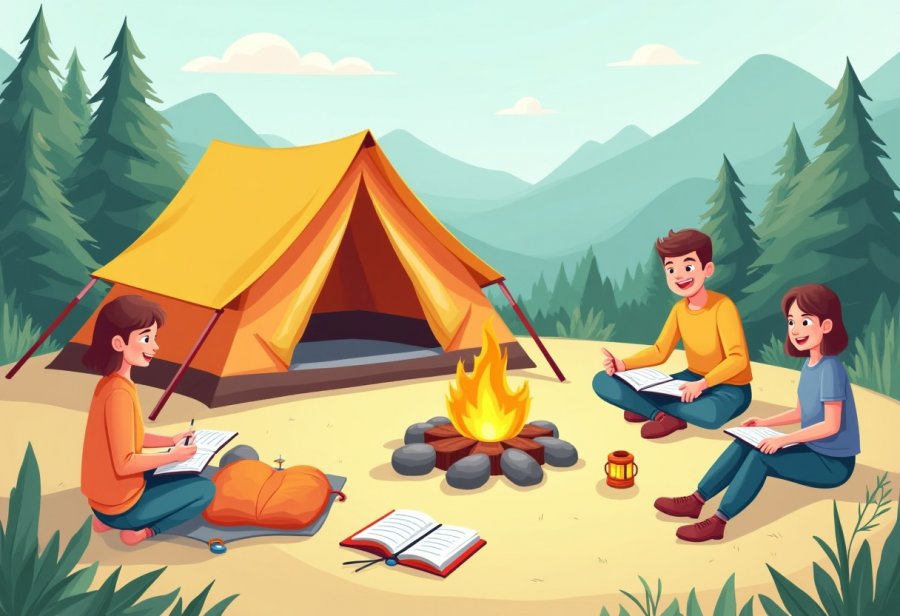
Embrace Challenges and Build Confidence for Future Outdoor Adventures
Starting your first camping trip with the right mindset can turn what might seem like a stressful experience into a truly rewarding adventure. Instead of focusing on having the perfect gear or following every plan flawlessly, shifting your attitude to curiosity, patience, and flexibility creates a more enjoyable and memorable experience. When you approach the outdoors with an open mind, unexpected moments—whether a sudden rainstorm or a minor gear hiccup—become opportunities for fun and learning rather than sources of frustration.
Your outlook on the trip shapes everything. Viewing challenges as part of the journey helps you stay calm and adaptable. For example, if the weather shifts unexpectedly or plans need to change, embracing these moments with humor and flexibility keeps the mood light. This positive approach not only makes the experience more enjoyable but also fosters resilience, helping you handle surprises with confidence. Remember, outdoor adventures are as much about how you respond as they are about what you do.
Building confidence is key to enjoying camping more fully. Small wins—like successfully setting up your tent or starting a fire—boost your belief in your abilities. Practice these skills at home beforehand so you feel more prepared and less anxious during your trip. Each step of learning, no matter how minor, reinforces your self-reliance and makes you more at ease in the outdoors. Keep in mind that every seasoned camper was once a beginner, and the confidence they have now came from embracing the learning process without fear of mistakes.
Focusing on the small, meaningful moments helps deepen your connection with nature and enhances the overall experience. Whether it’s listening to the birds at dawn, watching a sunset paint the sky, or simply breathing in the crisp mountain air, these simple pleasures ground you and remind you why you started camping. Appreciating these details shifts the focus from what might go wrong to what is going right, making your trip feel richer and more fulfilling. Sharing these moments with loved ones can turn a simple outdoor activity into lasting memories and strengthen bonds.
Finally, carry this positive, curious mindset into every future adventure. Each trip is a chance to learn, grow, and discover new facets of both nature and yourself. Embrace the unpredictable with a sense of humor and patience, and you’ll find that camping isn’t just about escaping into the wild—it’s about finding joy in the journey, no matter what surprises come your way. With openness and confidence, outdoor adventures become more than just escapes; they become meaningful stories you’ll cherish long after you return home.