Imagine the difference between a reliable drive and being stranded unexpectedly—your car battery holds the key. How often do you really check this vital component before it fails? This guide reveals that simple, routine battery maintenance can prevent frustrating breakdowns and ensure your vehicle starts effortlessly every time. From inspecting terminals for corrosion and securing tight connections to testing voltage levels with a multimeter, these straightforward steps are crucial, yet often overlooked. Keeping the area around your battery clean and dry further extends its lifespan, while monitoring its age and physical condition helps you plan ahead and avoid surprises. Wouldn’t a few minutes every few months—making these checks part of your routine—save you time, stress, and costly repairs? Mastering these easy habits transforms worry into confidence, turning your vehicle into a dependable partner whether you’re commuting, running errands, or embarking on long journeys.

Keep Your Car Alive: Essential Battery Maintenance Tips
Your car battery often doesn’t get the attention it deserves until it suddenly fails. But in reality, it’s one of the most vital parts of your vehicle. Think of it as the heart that keeps everything running—without it, your engine won’t start, and your lights or electronics won’t work either. A healthy battery ensures your car is ready to go whenever you need it, whether that’s a quick trip to the store or a longer road trip. Regular maintenance isn’t just a good idea; it’s the key to avoiding unexpected breakdowns and keeping your driving smooth.
Getting into the habit of checking your battery doesn’t require special skills or fancy tools. Simple steps like inspecting the terminals for corrosion or loose connections can be done easily at home. Corrosion appears as a white, greenish, or bluish deposit on the terminals and can block electrical flow, making it harder for your battery to power your vehicle. Cleaning this buildup with a baking soda and water mixture and a wire brush can restore good contact and improve performance. Remember to wear gloves and eye protection, as the residues can be irritating. A quick clean can make a big difference in how well your battery performs, especially during colder weather or after long periods of inactivity.
Ensuring your battery’s connections are tight and secure is just as important as keeping the terminals clean. Loose or worn-out clamps and bolts can cause intermittent power issues or slow engine starts, which can be frustrating or even dangerous. Regularly check that the cables are firmly attached and tighten any loose clamps or bolts. A secure connection guarantees that the electrical current flows smoothly from the battery to your vehicle’s systems, reducing the chances of sudden start-up problems. This simple check is quick but essential, especially in winter when cold temperatures can weaken already loose connections.
Testing your battery’s health with a multimeter is one of the easiest ways to stay ahead of potential problems. When the engine is off, a healthy battery should read around 12.6 volts. If the reading drops below 12.4 volts, it’s a sign that your battery might not be holding a full charge anymore. Performing this quick check every few months gives you a clear idea of your battery’s condition and helps catch early signs of deterioration. Catching these issues early can prevent you from being stranded on a cold morning or during a busy day, saving you time and stress. If your readings are consistently low, it’s wise to have the battery tested professionally or consider replacing it before it fails unexpectedly.
Keeping the area around your battery clean and dry is another simple but effective step in extending its lifespan. Dirt, moisture, and debris can accelerate corrosion and cause damage over time. Regularly wiping down the battery surface and surrounding tray with a clean cloth, especially after bad weather or muddy drives, helps prevent buildup. Good ventilation around the battery also matters—trapped moisture can speed up corrosion and lead to leaks or shorts. When the battery stays dry and free of debris, it’s less likely to develop issues that could leave you stranded. Maintaining a clean environment around your battery isn’t just about looks; it’s about ensuring your battery remains in top shape for longer.
Finally, keeping track of your battery’s age and physical condition helps you plan ahead and avoid unexpected failures. Most batteries last between three and five years, but their performance can decline sooner if exposed to extreme heat or frequent short trips that don’t give them enough time to recharge fully. Notice signs like bulges, cracks, or leaks, which indicate it’s time for a replacement. Being aware of your battery’s condition allows you to replace it proactively, preventing inconvenient breakdowns. Regular inspections and timely replacements can save you the hassle and expense of roadside emergencies, making your driving experience more reliable and stress-free. Investing a little time now keeps your vehicle dependable and ensures you’re never caught off guard.

Simple Habits to Boost Battery Performance and Longevity
Keeping your car battery in top shape starts with simple, consistent habits. Regularly inspecting the terminals is a quick yet effective way to prevent issues before they happen. Look for corrosion—those white, greenish, or bluish deposits—that can build up over time and hinder electrical flow. If you spot any buildup, cleaning it off with a mixture of baking soda and water, applied with a wire brush, can restore proper contact. Remember to wear gloves and eye protection, as the residues can be irritating. A clean terminal ensures your battery delivers reliable power, especially during colder months or after periods of inactivity.
Securing your battery connections is just as vital as keeping the terminals clean. Loose or worn clamps and bolts can cause intermittent power problems or slow engine starts, which might leave you stranded or frustrated. Make it a routine to check that the cables are tightly attached, tightening any loose clamps or bolts. A solid connection guarantees smooth electrical flow from the battery to your vehicle’s systems, reducing the risk of sudden start-up issues. This quick check is especially important in winter, when cold weather can weaken already loose connections.
Testing your battery’s health periodically with a multimeter is one of the easiest ways to catch problems early. With the engine off, your battery should read around 12.6 volts. If the voltage dips below 12.4, that’s a sign it might not be holding a full charge anymore. Performing this simple check every few months provides a clear snapshot of your battery’s condition. Catching a decline in performance early means you can replace the battery before it leaves you stranded, avoiding inconvenient breakdowns during busy mornings or cold weather.
Keeping the area around your battery clean and dry is a small step with big benefits. Dirt, moisture, and debris can accelerate corrosion and cause damage over time. Wiping down the battery surface and surrounding tray regularly, especially after bad weather or muddy drives, helps prevent buildup that traps moisture. Good ventilation is also key—trapped moisture speeds up corrosion and can lead to leaks or short circuits. When the battery is kept dry and free of debris, it’s less likely to develop issues that could leave you stranded or cause electrical shorts.
Monitoring your battery’s age and physical condition is a proactive way to prevent surprises. Most batteries last between three and five years, but their performance can decline sooner if exposed to extreme heat or frequent short trips. Keep track of when your battery was installed or last replaced. Look out for signs like bulges, cracks, or leaks, which clearly indicate it’s time for a new one. Being aware of your battery’s health allows you to plan replacements in advance, avoiding unexpected failures that could leave you stranded in inconvenient moments.
Incorporating these habits into your routine doesn’t require much effort but can save you a lot of trouble. Regular inspections, cleaning, testing, and monitoring help identify early signs of trouble before they become major issues. These simple practices can be spaced out every few months and easily fit into your busy schedule. Over time, they build a reliable shield against roadside breakdowns, keeping your vehicle dependable and your drives stress-free.
A small investment of time in routine battery maintenance can significantly extend its lifespan and ensure your vehicle starts reliably every time. By staying attentive to corrosion, connection tightness, and overall health, you reduce the risk of unexpected failures. Keeping your battery environment clean and dry further safeguards against damage. These habits promote long-term vehicle reliability, giving you peace of mind whether you’re commuting, running errands, or heading out on a road trip. With a little consistent effort, worry-free driving becomes a simple, achievable goal.
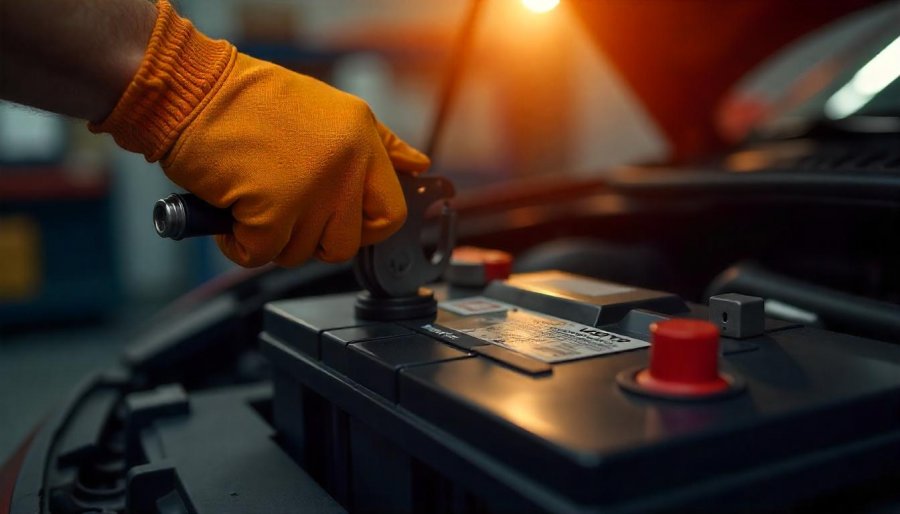
Smart Strategies for Long-Term Battery Care and Reliability
Putting routine battery checks into practice is straightforward and can make a real difference in your vehicle’s reliability over time. The key is to establish a regular schedule—every three to six months, especially before seasons with extreme weather—so these inspections become a natural part of your car care routine. Consistency is what helps you catch small issues early, preventing them from escalating into inconvenient breakdowns or costly repairs. By making these checks a habit, you turn what might seem like a chore into a simple, effective way to keep your car dependable.
Start with a visual inspection of the battery and its terminals. Look for signs of corrosion—those white, greenish, or bluish deposits that can form over time. If you notice any buildup, cleaning it off with a mixture of baking soda and water, applied with a wire brush, is quick and effective. Remember to wear gloves and eye protection, as the residues can irritate your skin and eyes. After cleaning, dry the terminals thoroughly and tighten the clamps or bolts securely. This small step ensures a solid electrical connection, which is crucial for reliable starting, especially during cold mornings or after periods of inactivity.
Next, test your battery’s health with a multimeter. When the engine is off, a healthy battery should read around 12.6 volts. If the reading drops below 12.4, it’s a sign that the battery isn’t holding a full charge anymore. Performing this quick check every few months provides a clear snapshot of your battery’s condition. Catching a decline early means you can replace the battery before it fails unexpectedly, avoiding the inconvenience and stress of roadside breakdowns. If your voltage remains consistently low, it’s wise to have it tested professionally or consider a replacement before a major failure occurs.
Maintaining a clean environment around the battery also plays a significant role. Dirt, moisture, and debris can accelerate corrosion and cause damage over time. Regularly wipe down the battery surface and surrounding tray with a clean cloth, especially after bad weather or muddy drives. Good ventilation around the battery prevents moisture from lingering, which can speed up corrosion or lead to leaks and shorts. Keeping the area dry and free of debris isn’t just about appearance—it’s about protecting your battery from unnecessary wear and tear, helping it last longer and perform better.
Finally, stay aware of your battery’s age and physical condition. Most batteries last between three and five years, but extreme heat and frequent short trips can shorten that lifespan. Track when you last replaced or installed your battery, and watch for signs like bulges, cracks, or leaks—clear indicators that it’s time for a new one. Proactive monitoring allows you to plan ahead and avoid unexpected failures that could leave you stranded. Regular inspections and timely replacements based on actual condition can save you from roadside emergencies and expensive repairs, giving you peace of mind and a smoother driving experience. With consistent effort, maintaining your battery becomes an easy part of your vehicle care routine that pays off in long-term reliability.