The Dodge Charger remains an iconic symbol of raw American muscle and rebellious spirit, captivating generations with its bold design and thunderous performance. From its roots in the 1960s to modern incarnations, it embodies freedom, defiance, and adrenaline—offering more than just a car, but a statement of individuality. As it evolved from legendary street racers to contemporary powerhouses with supercharged V8s, the Charger has maintained its fierce presence both on the road and in pop culture. But with industry shifts toward electrification, can this primal beast adapt without losing its soul? The future promises a blend of innovation and heritage—lightweight materials, hybrid tech, and digital enhancements—aimed at preserving its rebellious core while embracing modernity. Will the Charger continue to command the roads and hearts of enthusiasts as a timeless icon of American performance, or will evolution dilute its primal essence? One thing’s certain: the Charger’s legacy of power, rebellion, and freedom is far from over.
The Dodge Charger: A Bold Symbol of American Muscle and Rebellion
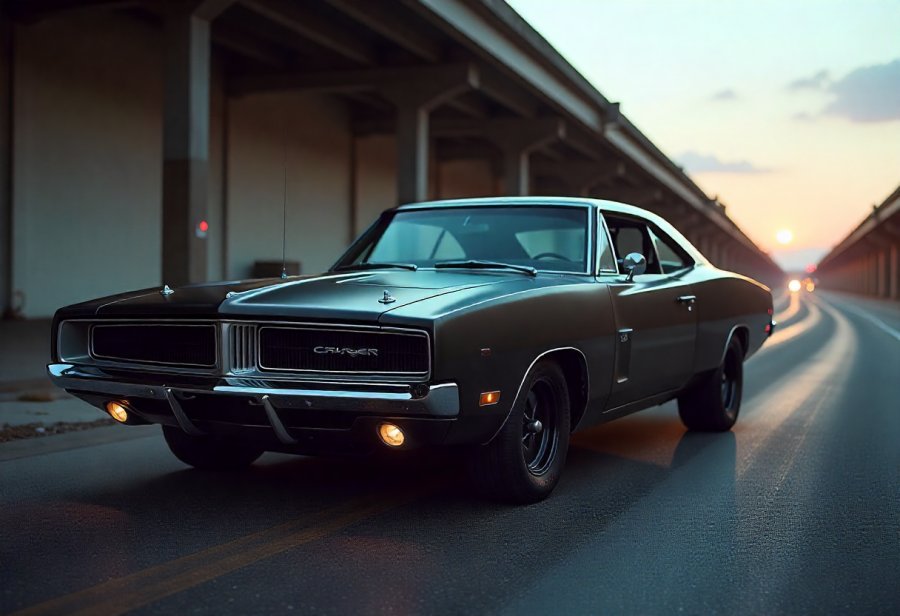
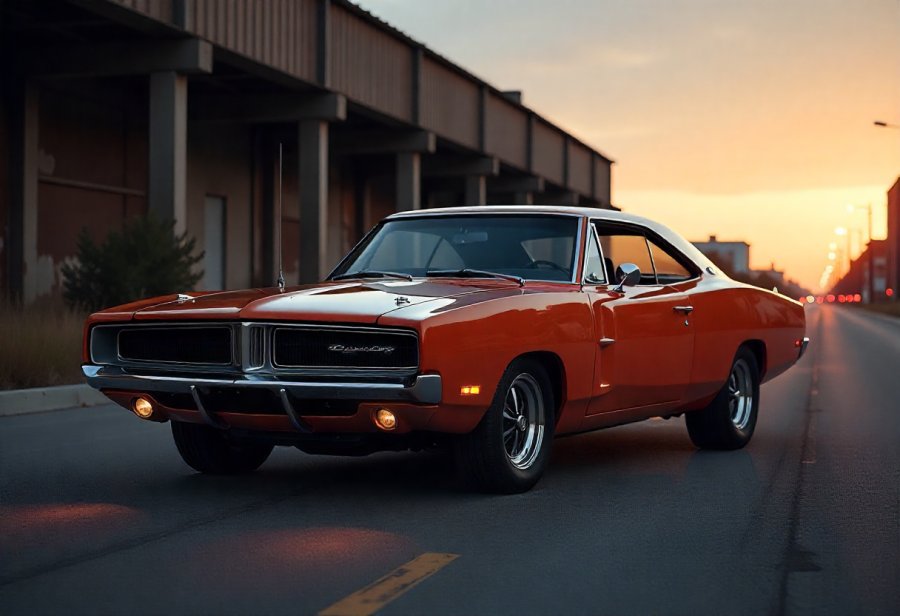
The Dodge Charger isn’t just a car; it’s a symbol of American muscle and rebellion that has captured the imagination of enthusiasts for decades. Its bold, aggressive design commands attention the moment it hits the street, with a muscular stance, wide grille, and sleek lines that exude confidence and power. From the start, the Charger has been about more than transportation—it’s about making a statement that echoes the spirit of freedom and individualism that defines American car culture.
Throughout its history, the Charger has embodied raw power and defiance. Its roots stretch back to the 1960s, a time when muscle cars became icons of youth and rebellion. The early models, with their fastback silhouettes and thunderous V8 engines, quickly gained a reputation for street racing and daring escapades. They weren’t just vehicles—they were expressions of a desire to break free from societal norms and own the road.
The cultural impact of the Charger extends far beyond the garage. It’s appeared in countless movies, TV shows, and music, often portrayed as the quintessential street racer or rebellious hero. Films like the “Fast & Furious” franchise helped cement its reputation as a symbol of speed and daring. Classic models from the late ’60s and early ’70s, with their distinctive styling and thunderous engines, remain some of the most recognizable cars in pop culture, embodying an era of unrestrained power and adrenaline.
Even as its popularity waned during the late ’70s and into the ’80s, the Charger’s legacy endured. In the early 2000s, Chrysler revived the nameplate with a modern reinterpretation that honored its vintage roots while incorporating contemporary technology. Today’s Chargers continue to blend aggressive styling and high performance, preserving the rebellious spirit that made it legendary.
The Charger’s cultural significance isn’t limited to its looks or performance; it’s in what it represents. It’s a vehicle that embodies freedom, adrenaline, and the unrelenting desire to own the road. Whether cruising city streets or tearing up back roads, driving a Charger feels like embracing a piece of American muscle history—an act of rebellion that’s as relevant today as it was in the past.
From Streets to Legend: The Dodge Charger’s Evolution and Enduring Legacy
The Dodge Charger’s journey begins in the mid-1960s, a pivotal era when muscle cars started capturing the imagination of American drivers craving speed and style. Introduced in 1966, the first-generation Charger made a bold statement with its fastback silhouette, sleek lines, and aggressive stance. Under the hood, powerful V8 engines offered the raw performance that matched its daring appearance, quickly earning a reputation on streets and drag strips alike. These early models weren’t just transportation; they embodied rebellion, youth, and the pursuit of freedom, making them favorites among street racers and adrenaline seekers.
By the late ’60s and early ’70s, the Charger had cemented its status as an icon of American muscle. Models like the R/T and the legendary 426 HEMI versions pushed performance boundaries, tearing through city streets with thunderous engines and bold styling. These cars became symbols of raw power and speed, often seen in movies and TV shows as the ultimate street racing machines. Their distinctive looks and roaring engines helped define an era of unrestrained adrenaline and defiance against societal norms.
Following a decline in popularity during the late ‘70s and into the ‘80s, the Charger’s legacy seemed to fade, yet the nameplate persisted in the collective automotive consciousness. In the early 2000s, Dodge revived the Charger, paying homage to its roots while integrating modern technology and design. The new models retained the muscular aesthetic and aggressive stance, but with updated features that appealed to a new generation of enthusiasts. This revival helped re-establish the Charger as a relevant and formidable presence in the muscle car world.
Today’s Chargers continue to evolve, blending high-tech innovations with the primal appeal that first defined the model. Equipped with supercharged V8s and advanced handling systems, they deliver impressive horsepower and speed, maintaining their reputation as street racing legends. The design emphasizes muscular proportions, wide fenders, and bold grilles, echoing their heritage while looking ready to attack on the road. These modern versions are built not just for performance but to embody the rebellious spirit that has always been at their core.
Throughout its history, the Dodge Charger has left an indelible mark on American automotive culture. It’s a vehicle that balances raw power with striking design, embodying the rebellious, free-spirited attitude of muscle cars. Whether as vintage classics or contemporary beasts, Chargers continue to symbolize freedom, adrenaline, and defiance—an enduring icon that refuses to fade into obscurity.
The evolution of the Dodge Charger reflects a story of resilience and adaptation. It’s a vehicle that refused to be sidelined and instead reinvented itself while staying true to its roots. From the streets of Detroit to Hollywood screens, the Charger’s legacy endures as a symbol of American muscle and rebellion, inspiring new generations to own their primal instincts and push the limits of performance.
Unleashing Modern Might: The Raw Power and Performance of Today’s Chargers
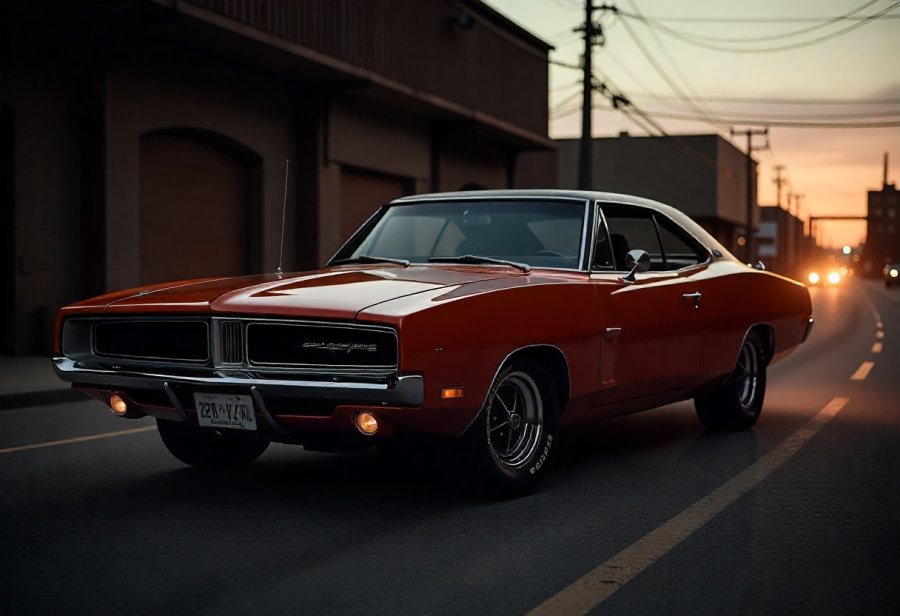
Modern Dodge Chargers exemplify the raw, primal power that keeps the muscle car legend alive today. These vehicles blend brute strength with cutting-edge technology, creating a driving experience that’s as fierce on the street as it is on the track. Under the hood, supercharged V8 engines like the 6.2-liter HEMI in the Hellcat models unleash over 700 horsepower, roaring to life with thunderous fury that demands attention at every throttle. That visceral growl connects drivers directly to the car’s savage heritage, making every accelerate feel like a statement of dominance.
High-performance variants such as the Scat Pack pack serious torque and lightning-quick acceleration, capable of hitting 0-60 mph in just over four seconds. These cars are built to carve through urban streets or open highways with intimidating speed, echoing the Charger’s reputation as a street racing beast. Every engine note, every surge of power, reinforces its place as a modern muscle car that refuses to tame its primal instincts.
Inside, the modern Charger is designed for both performance and comfort. Driver-focused dashboards, customizable drive modes, and adaptive suspension systems give drivers control over how the car behaves—whether cruising smoothly or unleashing its full fury. Advanced traction and stability systems subtly intervene when necessary, ensuring safety without compromising the raw connection between driver and machine. This balance of tech and instinct keeps the Charger relevant in today’s high-tech world while maintaining its fierce, untamed personality.
Visually, these models command attention with sharp lines, wide fenders, and bold grilles. Widebody kits further emphasize their street-ready aggression, signaling that this isn’t just a car—it’s a predator ready to strike. Every detail, from hood vents to rear spoilers, is engineered to look as fast as it feels, amplifying their primal presence on every road they conquer.
Dodge’s engineering focus ensures these Chargers are not only powerful but also reliable and durable. Lightweight materials like carbon fiber help maximize speed and handling, while aerodynamic enhancements improve stability at high speeds. These upgrades allow the car to push its limits without sacrificing safety or longevity, reinforcing its role as a street beast capable of demanding respect day after day.
In essence, today’s Dodge Charger exemplifies how primal road power remains at the core of muscle car performance. It fuses traditional raw strength with modern innovation, delivering a visceral experience that connects driver and machine in an unfiltered, exhilarating way. Every engine roar, every aggressive stance, and every performance feature pays homage to its legendary past—proving that the Charger’s fierce spirit is still very much alive on today’s roads.
More Than a Car: The Charger’s Cultural Impact and Personal Rebellion
The Dodge Charger continues to hold a prominent place in today’s automotive culture, not just as a high-performance machine but as a symbol of personal rebellion and style. For many owners, driving a Charger isn’t just about getting from point A to B; it’s a statement of attitude and individuality. Its bold lines, thunderous engine sounds, and commanding presence make it impossible to ignore, whether cruising through city streets or tearing down backroads. Owning a Charger feels like embracing a piece of American muscle history—an act of defiance and freedom that resonates deeply with enthusiasts.
Beyond its visual impact, the Charger’s versatility fuels its ongoing relevance. Many owners personalize their cars with performance upgrades, custom paint jobs, and interior modifications that reflect their unique identity. This level of customization transforms a stock muscle car into a reflection of personal style and attitude, reinforcing its role as a canvas for self-expression. Whether it’s a weekend project or a daily driver, the Charger offers a tangible way for drivers to live out their muscle car dreams.
The Charger’s presence in movies, music, and social media keeps it firmly rooted in popular culture. Its iconic appearance in the “Fast & Furious” franchise, for example, cemented its reputation as a street racing legend and a symbol of speed and daring. Such visibility inspires a new generation of fans who see the Charger as more than just a vehicle—it’s a cultural icon embodying freedom, power, and rebellion. This iconic status ensures the Charger remains relevant, inspiring admiration and aspiration across ages.
Many drivers also appreciate how the modern Charger balances raw power with everyday practicality. Its spacious interior, advanced infotainment system, and safety features make it suitable for daily use, while its roaring engine and aggressive styling serve as a constant reminder of its primal roots. This blend of performance and comfort broadens its appeal, attracting both adrenaline seekers and those seeking a stylish, capable daily driver.
Car clubs and online communities dedicated to Dodge Chargers foster a sense of camaraderie among enthusiasts. Sharing stories, modifications, and racing experiences keeps the muscle car spirit alive and vibrant. These communities celebrate the Charger’s legacy, ensuring that its rebellious, performance-driven ethos continues to thrive. They turn the vehicle into a symbol of shared passion, rebellion, and the pursuit of adrenaline-fueled freedom.
Despite the auto industry’s shift toward sustainability, the Charger’s primal appeal remains strong. Many see it as a symbol of living with attitude—an enduring reminder that raw power and rebellious spirit are timeless qualities. Even as technological innovations reshape automotive design, the Charger’s core identity as a street beast and cultural icon persists, inspiring drivers to own their primal instincts and push limits.
The Charger’s relevance extends beyond the road; it influences lifestyle and identity. For owners, it’s about more than just speed—it’s about embodying a mindset of confidence, independence, and defiance of convention. Its presence in culture and personal expression keeps this legendary muscle car at the forefront of automotive rebellion, ensuring its status as an enduring icon of American muscle and freedom.
Gazing into the Future: Innovation, Heritage, and the Next Chapter for the Dodge Charger
As the automotive landscape shifts toward sustainability and advanced technology, the future of the Dodge Charger will likely blend its primal muscle car roots with innovative powertrains and smarter design. Electric and hybrid systems are gaining momentum across the industry, and muscle cars like the Charger aren’t exempt. While purists may worry that electrification could dilute its raw, visceral appeal, manufacturers are exploring ways to preserve that primal feeling through cutting-edge tech. Instant torque and lightning-fast acceleration from electric platforms can deliver a new kind of road dominance, making future Chargers just as commanding as the classic V8 models.
Design-wise, expect the Charger to become more aerodynamic and lightweight. Using advanced materials like carbon fiber and composites could help retain its muscular stance while improving speed and handling. These upgrades would allow the car to stay aggressive on the road and track, even as it adopts more efficient engineering. Meanwhile, digital dashboards and connectivity features will likely become standard, offering drivers more control and customization. Future Chargers could be more interactive and intuitive, merging rebellion with modern convenience in a seamless way.
Dodge faces the challenge of balancing heritage with innovation. Fans love the Charger for its thunderous engines and bold styling, but the auto industry’s push for cleaner vehicles demands adaptation. Hybrid models could be a way to keep the primal spirit alive while meeting emissions standards. Combining traditional muscle with electric efficiency, these powertrains might create a new breed of street beast that commands respect without sacrificing sustainability. This approach can help the Charger stay relevant, appealing to nostalgic enthusiasts and new drivers seeking high performance with a conscience.
Beyond powertrains and design, the Charger’s identity will likely expand into smarter, connected vehicles. Features like autonomous driving, advanced safety systems, and digital integration could redefine how we experience muscle cars. While some worry that automation might take away the raw driving thrill, automakers are finding ways to incorporate tech that enhances, rather than replaces, the visceral connection drivers crave. The goal is to deliver a balanced mix of adrenaline and intelligence, ensuring the Charger remains a symbol of rebellion in a more connected world.
Even as the industry evolves, the core of the Charger’s legacy isn’t fading. Its role as a symbol of freedom, power, and individualism will endure, but with a fresh, modern edge. Dodge’s challenge will be to maintain that fierce, primal attitude while embracing innovations that elevate the driving experience. Whether through electrification, lightweight materials, or digital tech, the Charger’s future promises to keep its rebellious spirit alive, ready to command tomorrow’s roads just as fiercely as it always has.
This evolution isn’t just about keeping up—it’s about transforming while staying true to its roots. The Charger’s story of resilience and reinvention continues as it adapts to new technology, yet never loses sight of what made it legendary. Its role as a street racing icon and cultural symbol will be amplified by innovation, ensuring it remains relevant and revered. The future of the Charger is about harmony: blending primal power with modern ingenuity to create a machine that’s as rebellious and commanding as ever.
As new generations of drivers seek vehicles that embody attitude and performance, the Charger will continue to thrive. Its ability to evolve technologically while retaining its raw, primal DNA makes it a timeless icon. Whether electrified or powered by traditional engines, it will remain a symbol of American muscle and rebellion—an enduring testament to the unrelenting spirit that drives it forward.
In the end, the Dodge Charger’s future is about more than just technology or design—it’s about preserving its soul. It’s about maintaining that roar, that stance, and the undeniable presence that makes it a true legend. The Charger will continue to lead the charge into a new era, proving that even as the roads change, the primal instincts that define it will never fade. It’s a car built to dominate—today, tomorrow, and beyond.