





The backyard garage is more than just a space for repairs—it’s a sanctuary where passion, craftsmanship, and personal identity converge. In this intimate environment, mechanics transform rusted relics into revived masterpieces, forging a deep connection to history and tradition. But what secrets lie behind this ritual of restoration? Beyond the technical mastery, working on vintage machines offers profound psychological benefits: a mental retreat that fosters mindfulness, resilience, and emotional clarity. As hours slip by in focused concentration, stress diminishes, and confidence rises, turning the act of fixing into a meditative journey of self-discovery. Each project becomes a creative expression, a testament to patience and perseverance that nurtures both skill and soul. Is this space simply about engines and tools, or does it hold a deeper promise—an enduring refuge of purpose, pride, and personal growth in the midst of modern chaos? Discover the hidden power of the home garage.
Unveiling the Sanctuary of Passion: Inside the Backyard Mechanic’s Garage
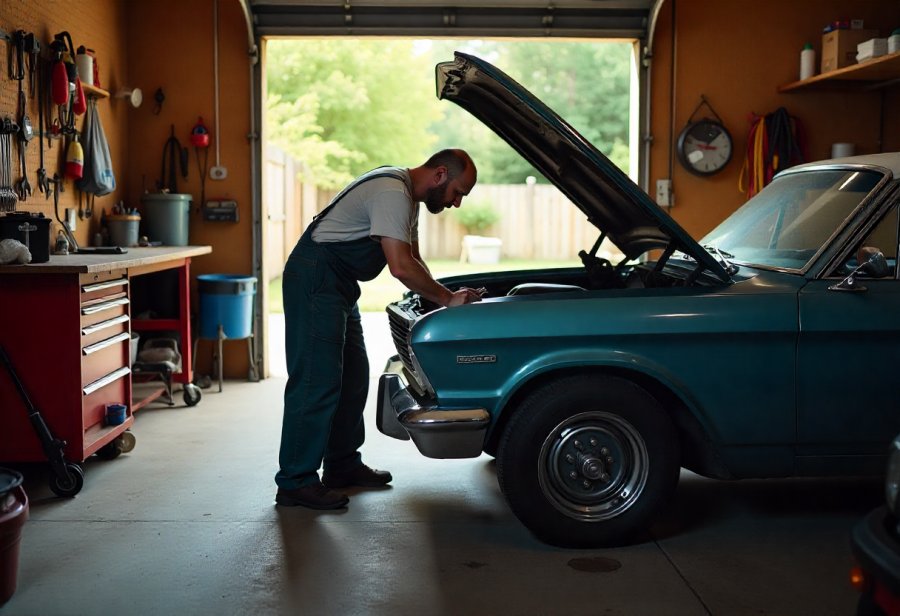
There’s something uniquely captivating about a backyard mechanic’s garage—a space that feels more like a personal sanctuary than just a workshop. It’s where a passion for engines and craftsmanship comes alive amid cluttered shelves, well-worn tools, and the scent of motor oil hanging in the air. The garage is a place where patience and skill are put to the test, transforming rusty parts into restored machines and old relics into shining examples of revival. It’s a domain built on dedication, where every bolt turned and every engine tuned carries a story of perseverance and love for mechanics.
This space is more than a collection of tools and spare parts. It reflects its owner’s personality, a physical extension of their enthusiasm and craftsmanship. Natural light filters through open doors or windows, casting warm highlights across workbenches cluttered with carburetors, wrenches, and vintage posters. Every surface bears the marks of countless projects, creating a rich tapestry of memories and achievements. In this environment, patience is rewarded, and the act of working on machines becomes a form of meditation, a deliberate dance of disassembly and reassembly that calms the mind.
For many backyard mechanics, the garage is a mental refuge—a place to escape the chaos of daily life. As they delve into restoring a vintage engine or polishing chrome, focus narrows to the task at hand, pulling them into a state of flow. This concentration quiets the noise of stress, offering a break from digital distractions and the rush of modern living. The tactile engagement with parts and tools fosters mindfulness and emotional clarity, turning the act of fixing into a calming ritual that leaves worries behind and restores a sense of control and purpose.
Beyond technical skill, the garage is a space for personal expression. Walls may be decorated with posters of racing legends or classic cars, each piece chosen to reflect the owner’s passions. Collections of rare tools or vintage memorabilia turn the workspace into a kind of personal museum, each item carrying a story or milestone. Restoring a battered chassis or sourcing a rare part becomes a creative act, an opportunity to showcase individual style and craftsmanship. The garage transforms from a simple workshop into a vibrant canvas for experimentation, innovation, and identity.
The act of reviving old machines connects the mechanic to a broader cultural heritage. Restoring vintage cars and relics from the past preserves stories and skills that might otherwise fade away. Every project—whether a rusted engine or a battered body—becomes a chapter in a personal or collective history of ingenuity, patience, and resilience. This ongoing effort not only keeps these machines alive but also sustains a community of enthusiasts who share stories of revival and craftsmanship, passing down knowledge from generation to generation.
The garage is also a place where creativity meets tradition. Sourcing rare parts, fabricating custom pieces, or experimenting with finishes turns each project into a personal statement. It’s a space that encourages exploration and innovation, where mechanics leave their mark through unique touches and tailored solutions. Over time, each restored vehicle or engine becomes a reflection of their skills and vision, transforming the garage into a dynamic environment where craftsmanship is both an art and a legacy.
More than a workshop, the garage serves as a personal sanctuary—an oasis of patience and persistence. It’s where hours spent tuning engines or restoring vintage parts cultivate resilience and mental toughness. The repetitive routines and hands-on work foster mindfulness and help manage stress, providing a mental reset amid the chaos of everyday life. Here, effort translates into tangible results, reinforcing the value of persistence and skill, and reminding us that sometimes, the best therapy is simply turning a wrench.
Ultimately, the backyard mechanic’s garage is a space of passion, craftsmanship, and personal growth. It’s where stories are written through every restored engine, where old machines are reborn, and where dedication and patience forge more than just functional vehicles—they forge character. This sanctuary nurtures not only mechanical skills but also emotional well-being, making it a vital part of the mechanic’s life. In this space, passion is preserved, skills are passed down, and the love for revival continues to thrive—one project at a time.
Beyond Repairs: The Garage as a Cultural and Personal Heritage Hub
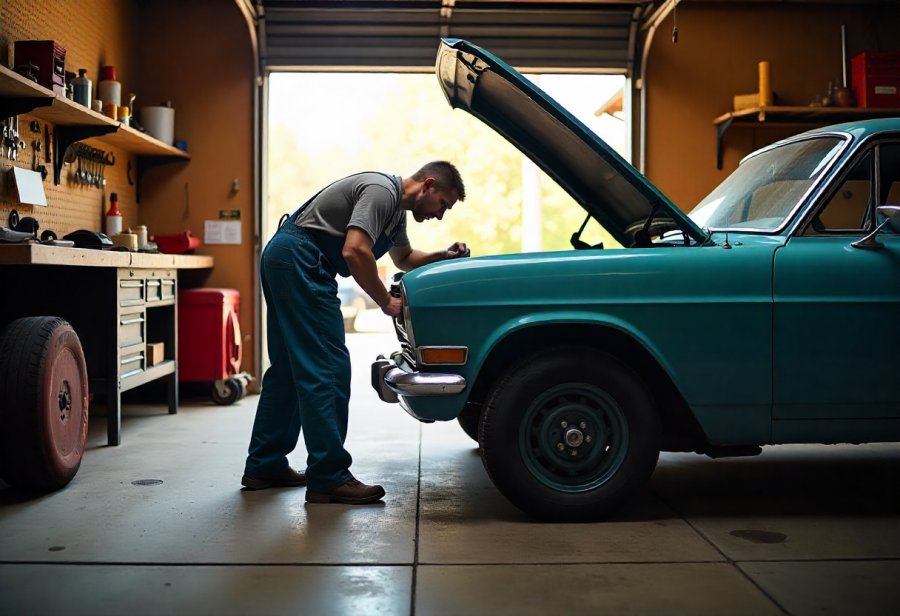
The backyard garage holds a significance that goes far beyond its function as a workshop. It is a personal sanctuary where craftsmanship, tradition, and identity converge, transforming simple repairs into meaningful acts of preservation. For many enthusiasts, restoring vintage machines isn’t just about fixing old parts—it’s a way of connecting with a broader history of mechanical ingenuity that spans generations. These garages often become repositories of memories, where each project links the mechanic to a legacy of patience, skill, and resilience. Every engine rebuilt, every chrome polished, becomes a story that’s passed down, turning the space into a living testament to craftsmanship and dedication.
On a personal level, the garage reflects its owner’s passions and personality. Walls may be decorated with posters of racing legends or classic cars, each chosen to mirror their interests. Collections of rare tools or vintage memorabilia turn this workspace into a kind of personal museum. These items are more than decoration; they symbolize milestones and achievements, embodying the journey of growth and love for mechanics. Every restored part or carefully sourced vintage piece adds character and meaning, making the garage a true reflection of its owner’s dedication and style. It’s a space where personal expression and technical skill come together seamlessly.
Beyond individual expression, the garage acts as a guardian of cultural heritage. Restoring vintage cars and relics from the past helps preserve stories and skills that might otherwise fade away. When a mechanic dedicates hours—sometimes weeks or months—to breathe new life into a rusted engine or battered chassis, they participate in a tradition rooted in patience, precision, and respect for history. This process not only keeps old machines operational but also sustains a community of enthusiasts who share stories of revival and ingenuity. In doing so, the garage becomes a hub of continuity, passing down technical knowledge and cultural narratives that connect past to present.
The act of restoring machines in a backyard garage is inherently creative. Sourcing rare parts, fabricating custom components, or experimenting with finishes turns each project into a personal statement. This environment fosters innovation and exploration, allowing mechanics to leave their mark through unique touches and tailored solutions. Over time, every restored vehicle or engine becomes more than just a machine; it’s an extension of their skills, vision, and personality. The garage transforms into a dynamic space where craftsmanship isn’t just about repair but about creating something meaningful—an expression of individual artistry and mastery that stands the test of time.
Finally, the garage serves as a personal sanctuary—a retreat where patience and persistence are cultivated through hands-on work. Hours spent tuning engines or restoring vintage parts develop resilience and mental toughness. The routine of disassembly and reassembly encourages mindfulness, offering a break from digital distractions and a chance to focus deeply. In this space, effort translates into tangible results, reinforcing the value of dedication and skill. It’s a place where stories are written, not just in metal and paint, but in character and perseverance. The backyard garage isn’t just a workshop; it’s a vital part of the mechanic’s life—an enduring symbol of passion, craftsmanship, and cultural continuity.
Healing Minds and Spirits: The Mental Benefits of Your Home Garage
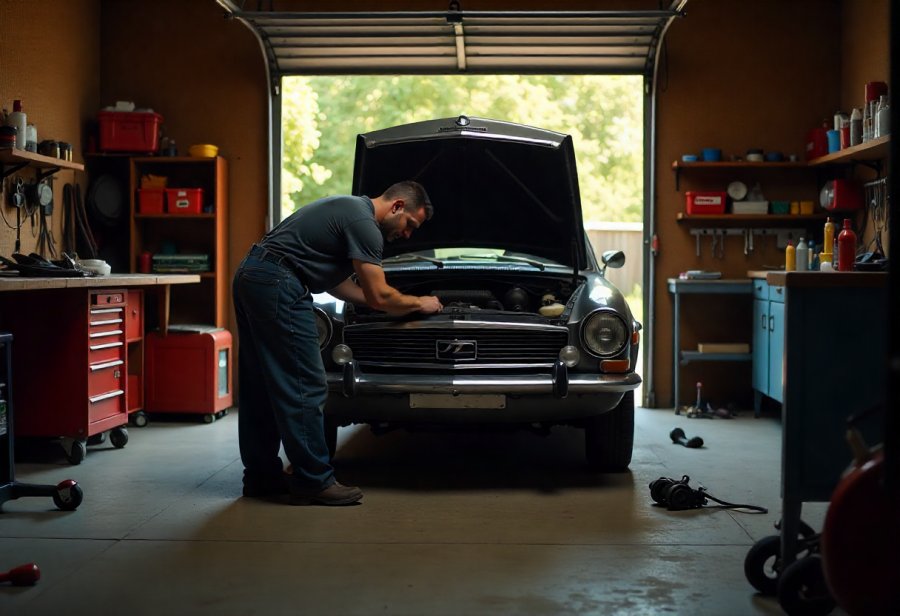
Working in a home garage offers more than just a space for car repairs; it provides a vital mental refuge that can significantly elevate overall well-being. When you’re elbow-deep in restoring a vintage engine or fine-tuning a classic, your focus narrows to the task at hand, pulling you into a state of flow that’s rare in everyday life. This deep concentration helps drown out the noise of stress and digital distractions, giving your mind a much-needed break. The garage becomes a sanctuary where clarity and calmness can develop, offering a reset from the chaos outside its walls.
The physical act of working with tools and parts isn’t merely about fixing machines; it’s about building confidence and experiencing a sense of achievement. Every bolt tightened or engine revived reinforces feelings of competence. These small victories, often hard-won through patience and problem-solving, create a ripple effect that boosts self-esteem well beyond the garage. Seeing a neglected relic transform into a shining piece of craftsmanship reminds you of your abilities and resilience, nurturing a sense of pride that can uplift your mood and outlook.
Inside the quiet walls of the garage, time seems to slow down, allowing space for reflection and emotional reset. Unlike the constant barrage of notifications and digital noise, working with tangible parts encourages mindfulness and patience. The rhythmic routine of tightening bolts, testing engines, or sanding paint becomes almost meditative. This repetitive, focused activity clears mental clutter, reducing anxiety and fostering emotional stability. In these moments, frustration over a stubborn problem often shifts into quiet confidence, strengthening the belief that persistence and effort lead to tangible results.
Engaging regularly in hands-on projects in the garage also nurtures personal expression and identity. Every choice—whether sourcing a rare part, experimenting with a paint color, or customizing a restoration—becomes a reflection of individual creativity. This creative freedom transforms the garage into more than just a workspace; it’s a personal canvas. Each project completed deepens the connection between effort and accomplishment, reinforcing a sense of purpose and mastery. Over time, this environment becomes a place where innovation and tradition coexist, fueling both passion and resilience.
Restoring old machines in a garage isn’t just technical work; it’s an emotional journey that reconnects you with craftsmanship and history. The hours spent researching, disassembling, and reassembling forge a bond with the past and honor stories embedded in each vintage part. Witnessing a neglected relic come back to life provides a powerful sense of purpose and achievement. This process affirms that patience, persistence, and skill are worth the effort, cultivating a sense of mastery that can lift spirits and foster a positive outlook on life’s challenges.
Finally, the mental benefits of working in a home garage extend beyond the immediate project. The routine of problem-solving and physical engagement helps regulate mood and build resilience against everyday stress. The garage becomes a personal retreat—a space where effort and patience translate into emotional strength. It’s a sanctuary that not only nurtures technical skills but also supports emotional well-being, making it an essential part of a balanced, healthy life. In this space, passion for revival and craftsmanship continues to thrive, offering ongoing mental renewal and a lasting sense of fulfillment.