Mastering calm leash walking transforms the bond between you and your dog into a harmonious dance of trust and communication. Picture a peaceful stroll—your dog attentively walking at your side, eyes fixed in focus, leash loose, and shared moments filled with mutual respect. But how do you achieve this serenity amid distractions and chaos? This guide reveals that patience, consistency, and positive reinforcement are your most powerful tools. From understanding foundational commands like “heel” to embracing modern techniques and technology, you’ll learn how to cultivate calmness in every environment. The journey involves small, deliberate steps—starting at home, gradually introducing distractions, and maintaining routines that foster confidence. With mindful training and gentle redirection, chaotic pulls and reactive behaviors become manageable, turning walks into bonding experiences rather than battles. Are you ready to unlock peaceful, rewarding outings that deepen your connection and elevate your shared joy?
Transform Your Walks: Master the Art of Calm Dog Walking
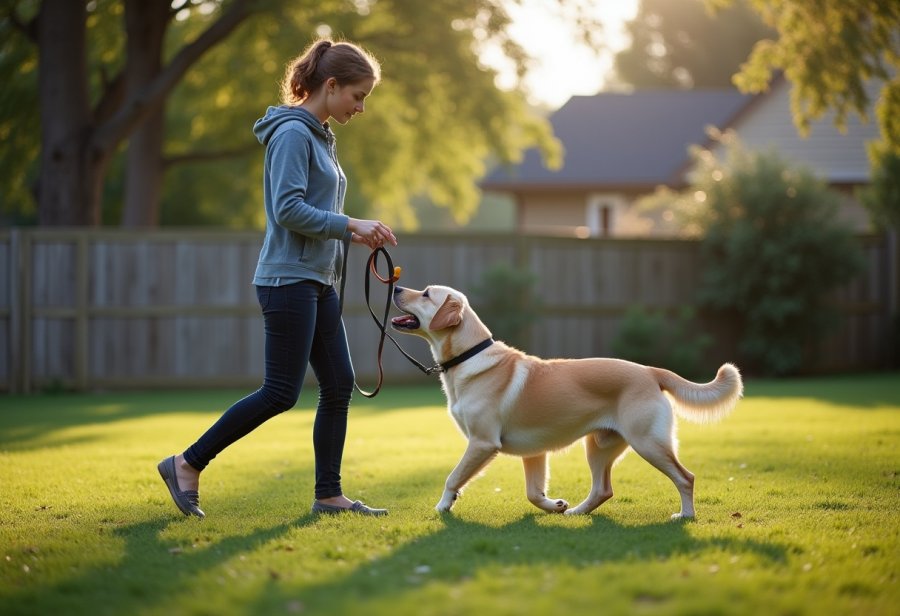
Walking calmly with your dog might seem straightforward, but it’s actually a skill that can significantly change your daily routine. When your dog learns to stay focused and walk politely at your side without pulling or lunging, walks become more relaxed and enjoyable. It’s not just about obedience; it’s about building trust and mutual respect that strengthen your bond.
In today’s busy world, distractions are everywhere—other dogs, loud noises, busy streets—and having a dog that walks calmly makes all the difference. A relaxed walk helps your dog feel secure, reduces stress, and makes outings more pleasant for both of you. It also lays the foundation for better behavior beyond just walking, helping manage issues like pulling or reacting to sights and sounds.
Mastering calm leash walking isn’t only about commands. It’s about turning what might feel like a routine chore into a shared moment of connection. When your dog walks politely at your side, it signals they trust you and understand your cues. This mutual understanding encourages them to be more attentive and less reactive, transforming each walk into a bonding experience rather than a source of frustration.
This guide will show you how to teach your dog to walk calmly on a leash, emphasizing patience and consistency. With time and effort, walking together becomes not only more manageable but also more rewarding—a chance to enjoy each other’s company and deepen your relationship.
Developing this skill can turn chaotic outings into peaceful moments of companionship. It’s a process that requires patience, but the results—calm walks and a stronger connection—are well worth it. A dog that walks calmly at your side isn’t just obedient; it’s a reflection of a trusting, respectful partnership that makes every walk a success.
Building Blocks of Calm: Core Concepts for Effective Training
Understanding how to walk your dog calmly starts with grasping some key ideas and concepts. Positive reinforcement—using treats, praise, or toys to reward good behavior—is the foundation. When your dog learns that staying focused and walking politely results in rewards, they’re more likely to repeat those behaviors. This makes training smoother and more enjoyable for both of you.
A central command in this process is “heel,” which teaches your dog to walk close to your side with a loose leash. Mastering this cue helps keep your dog’s attention on you and reduces pulling. Alongside this, good leash manners involve avoiding lunging, tugging, or getting distracted by sights and sounds. Teaching these behaviors creates a controlled, shared walking experience rather than a tug-of-war.
Training methods have evolved from harsh corrections to positive, patient approaches. Modern techniques emphasize building trust and understanding. Using gentle tools like harnesses or long-line leashes can help manage your dog’s behavior without discomfort. These tools, combined with rewards, make peaceful leash walking accessible regardless of size or temperament.
It’s essential to recognize that consistency is key. Regular practice using the same commands and routines helps your dog understand what’s expected. This predictability builds confidence and sets the stage for calm, focused walks. Remember, patience pays off—progress may be slow at first, but steady effort creates lasting habits.
Understanding canine psychology is also vital. Dogs respond to energy and emotional cues from their owners. Staying calm, confident, and relaxed during walks can influence your dog’s behavior positively. When your dog perceives your calmness, they’re more likely to mirror that attitude, reducing reactivity and stress.
Finally, celebrate small successes along the way. Whether it’s walking a few steps without pulling or maintaining focus amid distractions, each step forward reinforces good habits. Keep training simple, positive, and consistent, and soon your walks will become peaceful moments of connection and trust.
Innovative Techniques and Tech Trends Reshaping Dog Walking Training
Recent trends in dog walking training are making it easier than ever to achieve calm leash manners. Technology now offers innovative tools like smart collars and mobile apps that track behavior and provide instant feedback. These devices help owners identify specific triggers—such as distractions or anxiety—so they can adjust their approach on the spot. This real-time insight accelerates progress and makes training more targeted and effective.
At the same time, mindfulness and emotional regulation are gaining recognition among trainers and pet owners. Staying calm yourself during walks has a powerful influence on your dog’s focus and reactivity. When you project relaxed energy, your dog is more likely to mirror that calmness, resulting in fewer distractions and a more attentive, confident behavior. This approach underscores the idea that a dog’s demeanor often reflects their owner’s emotional state.
New equipment like head halters and specialized harnesses are also becoming popular, especially for managing pulling and distractions without causing discomfort. These tools give owners greater control, making peaceful walks accessible for dogs of all sizes and temperaments. When combined with positive reinforcement and consistent routines, they help create a more relaxed and enjoyable walking experience.
Modern trainers are blending traditional methods with these innovative techniques, focusing on short, frequent sessions that reward calmness rather than punishing misbehavior. This shift fosters a positive learning environment, encouraging dogs to develop self-control and stay attentive even amid chaos. It’s a move toward understanding canine psychology and emotional balance, which deepens trust and enhances the bond.
Finally, online resources, virtual coaching, and community groups are expanding support networks for dog owners. These platforms offer advice, troubleshooting tips, and success stories, keeping motivation high. The integration of technology, humane tools, and emotional awareness is transforming dog walking from a stressful task into a joyful, shared experience of trust and harmony.
Putting Principles into Practice: Applying Calm Walk Strategies in Real Life
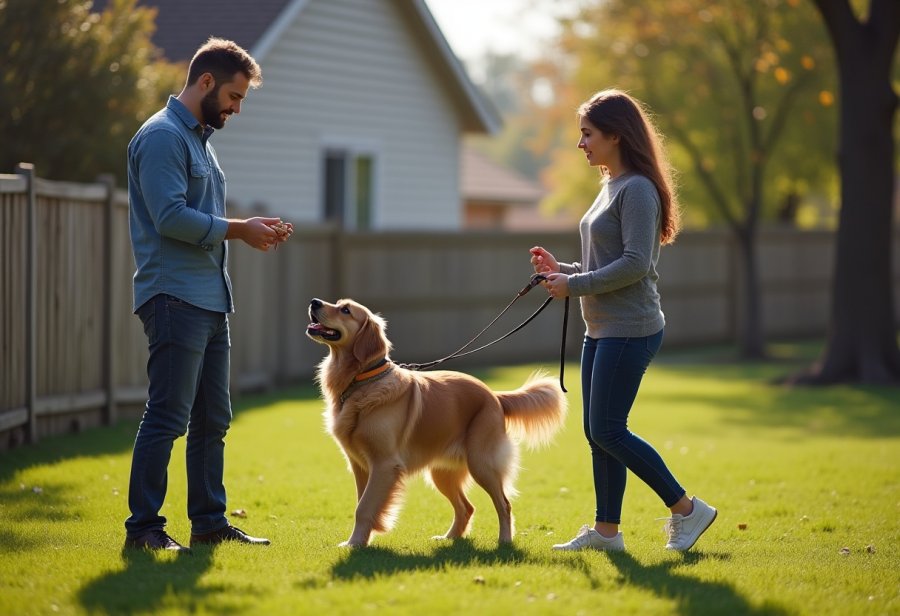
To put your training into action, start in familiar, low-distraction environments like your backyard or inside your home. Use simple commands such as “heel” or “focus,” and immediately reward your dog when they respond correctly. Treats, praise, or a favorite toy reinforce calm and attentive behavior, making it more likely your dog will maintain focus during outdoor walks. Once your dog responds reliably in quiet settings, gradually introduce more distractions—busy streets, parks, or other dogs—while keeping your routine consistent. Your calm demeanor and steady leash will signal security, encouraging your dog to stay relaxed and attentive.
As your dog gains confidence, extend your walks into more challenging environments. Keep training sessions brief—around ten to fifteen minutes—and practice often to prevent frustration. When your dog pulls or gets distracted, gently redirect their attention with your cues and reward their focus. Consistency in commands and rewards helps your dog understand what’s expected, even amid chaos. Stay relaxed yourself; your energy influences theirs, so maintaining a calm, confident attitude is key, especially during setbacks.
Establish routines by walking at the same times each day. This predictability helps your dog anticipate what’s coming, reducing anxiety and promoting calmness. Use familiar cues and reinforce positive behavior throughout the walk. If your dog becomes overwhelmed, give them space to reset, then re-engage with gentle redirection. Turning challenges into learning moments builds resilience and trust, making future walks smoother.
Monitor your dog’s reactions and progress regularly. Celebrate small successes, like walking a few steps without pulling or ignoring distractions. If setbacks occur, revisit earlier steps or simplify the environment until your dog refocuses. Patience and persistence turn incremental improvements into lasting habits, leading to peaceful, enjoyable walks filled with mutual trust and connection.
Smart Spending: Budgeting for Successful Dog Walking Training
Training your dog to walk calmly doesn’t have to drain your wallet, but smart budgeting can make a difference. Basic gear like collars, leashes, and treats are affordable essentials that support your training efforts. Investing in a good-quality harness or a front-clip leash can be a game-changer, especially for managing pulling, and these tend to last longer, offering better value over time. Think of them as tools that make your progress smoother rather than unnecessary expenses.
If your dog faces specific challenges or you want quicker results, hiring a professional trainer might be worth the upfront cost. Group classes are usually more budget-friendly than private sessions and can provide valuable guidance and accountability. While it’s an investment, professional help often shortens the learning curve, making your efforts more efficient and less frustrating.
Don’t forget the importance of ongoing reinforcement—treats, toys, and occasional refresher sessions keep your dog focused and help prevent old habits from returning. These small expenses are vital to maintaining progress and reinforcing good behavior. Setting aside part of your budget for new training tools or gear as your dog grows or your needs evolve can also support long-term success.
It’s wise to prioritize quality and necessity over splurging on items that won’t add real value. Budget-conscious choices, like simple collars and treats, are often just as effective as high-end options. Avoid overspending on equipment that doesn’t improve training outcomes; instead, focus on tools that are reliable and comfortable for your dog.
Community resources can also help stretch your budget. Many local shelters, rescue organizations, and pet groups offer low-cost or free training workshops, which can be a great way to learn without extra expense. Online courses and videos provide expert advice at a fraction of in-person costs, making ongoing education accessible and affordable.
Tracking your spending ensures you stay within your means while making steady progress. Prioritize essentials and look for cost-effective options that support your training goals. Remember, investing in your dog’s development doesn’t mean overspending—it’s about making thoughtful choices that foster trust and calmness during walks.
With a clear budget, you can focus on what truly matters—consistent training, positive reinforcement, and quality gear. These investments, big or small, pave the way for peaceful walks and a stronger bond. When resources are used wisely, every outing becomes a shared moment of trust and harmony, enriching your relationship with your dog.
From Routine to Resilience: Planning and Executing Long-Term Training Strategies
Establishing a consistent training routine is key to long-term success. Pick specific times each day for walks and stick to them as much as possible. This predictability helps your dog understand what to expect, reducing anxiety and making training more effective. Start in familiar, low-distraction environments like your backyard or inside your home, where your dog can focus without feeling overwhelmed. Use simple, clear commands such as “heel” or “focus,” and reward immediately when your dog responds correctly. This quick reinforcement builds a strong connection between behavior and positive outcome.
Gradually introduce more distractions as your dog becomes reliable in quiet settings. Short, structured walks in busier areas help your dog generalize calm leash manners across different environments. Maintain your routine consistently, and if your dog pulls or gets distracted, gently redirect with the same cues and reward their focus. Patience is crucial—progress might be slow at first, but persistence will pay off. Keep training sessions brief—around ten to fifteen minutes—and frequent, which prevents frustration and keeps your dog engaged.
Monitor your dog’s reactions closely, celebrating small wins like walking a few steps without pulling or ignoring a distraction. When setbacks happen, revisit earlier steps or simplify the environment until your dog regains focus. This approach turns obstacles into learning opportunities, strengthening trust and resilience. Maintaining a calm, confident attitude yourself influences your dog’s emotional state, reinforcing calmness during challenging moments. Over time, these routines become second nature, helping your dog develop lasting self-control.
As your dog gains confidence, gradually increase walk duration and complexity. Consistent routines and familiar cues create a sense of security, encouraging your dog to stay calm even in unfamiliar or stimulating settings. Remember that patience and persistence are your best tools—every small step forward builds toward peaceful, enjoyable walks. With time, your shared routines will foster a bond rooted in trust, making each outing a positive experience for both of you.
Navigating Challenges: Risks, Troubleshooting, and Prevention in Calm Dog Walking
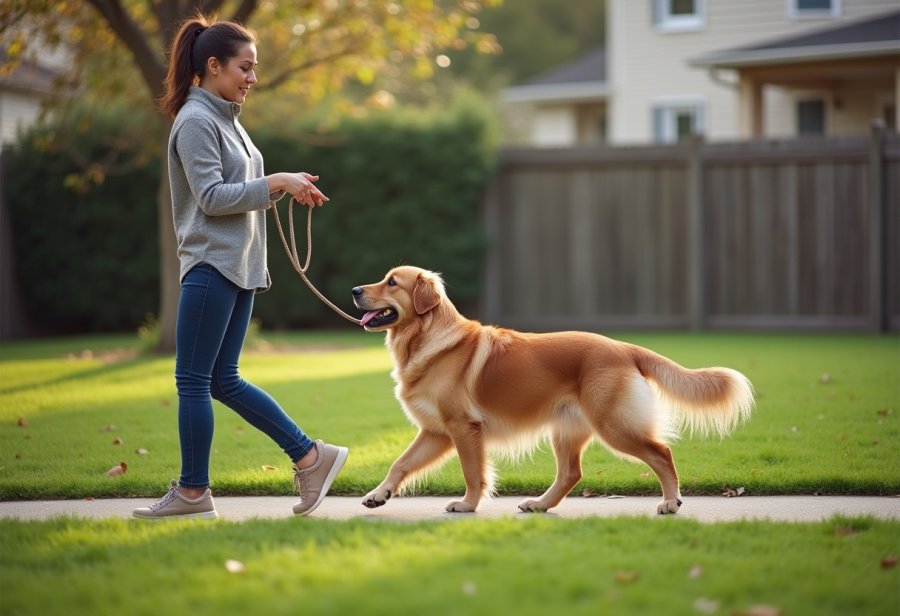
Addressing potential issues during calm dog walking is essential to keep your training on track. Pulling on the leash is common, especially when your dog gets excited or eager to explore. To curb this, use consistent cues and reward immediately when your dog walks beside you without tension. Clear, repeated commands help your dog understand what’s expected, gradually reducing pulling over time.
Distractions like other animals, loud noises, or intriguing scents can cause your dog to lunge or become sidetracked. When this happens, calmly redirect their attention with familiar cues like “focus” or “look at me,” and reward their response. Maintaining a relaxed, confident demeanor yourself signals reassurance, helping your dog stay attentive and calm despite external stimuli.
Sudden loud sounds or unfamiliar environments might trigger fear or hesitation. In these moments, slow down, speak softly, and give your dog space to reset. Gradually exposing your dog to new stimuli in controlled settings builds confidence and reduces fear-based reactions. Turning these challenges into training opportunities fosters trust and resilience, making your dog more adaptable over time.
Unexpected changes in routine or environment can disrupt your dog’s focus. To prevent setbacks, keep routines consistent and avoid surprises during walks. Using familiar cues and positive reinforcement creates a sense of security, even in unfamiliar places. When difficulties arise, revisit earlier training steps with patience, helping your dog regain composure and trust.
Staying calm and avoiding harsh corrections or forceful pulls is crucial. Such approaches can damage trust and increase anxiety, hindering progress. Instead, use gentle redirection paired with praise to reinforce good behavior. This positive, patient approach fosters a safe space for your dog to learn and thrive, ensuring every walk remains a peaceful, bonding experience.