





In today’s fast-paced business environment, seamless and customizable communication solutions are no longer a luxury but a necessity. Grandstream’s innovative telephony devices promise to transform your network with scalable, high-quality hardware integrated through centralized cloud management platforms like GDMS. But how can these tailored systems—supporting everything from high-definition audio to multi-line configuration—enhance operational efficiency and security? As the industry accelerates toward smarter, AI-enabled features and unified communications, organizations face the challenge of keeping pace without sacrificing control or safety. Can innovative deployment strategies and future-proof hardware truly streamline workflows, support remote teams, and safeguard sensitive data? This evolving landscape demands a strategic shift—embracing flexible, secure, and intelligent telephony solutions that adapt and grow with your business. The question is: are you ready to unlock the full potential of your network before it’s too late?
Revolutionize Your Business Communication with Customizable Telephony Solutions
In today’s fast-moving business world, communication isn’t just about making calls; it’s about creating a seamless, personalized experience that keeps teams connected and customers engaged. Off-the-shelf solutions often fall short of meeting specific operational needs, which is why customizable telephony systems are increasingly vital. These tailored platforms allow organizations to craft communication workflows that fit their unique industry requirements, size, and culture—making interactions more efficient and impactful.
Personalized communication systems also empower businesses to adapt quickly to changing demands. Whether integrating new channels, supporting remote work, or managing high call volumes, flexible telephony solutions provide the agility needed to stay ahead. Instead of battling rigid, one-size-fits-all setups, companies can deploy tools that grow and evolve alongside their operations, ensuring consistent quality and security without sacrificing scalability.
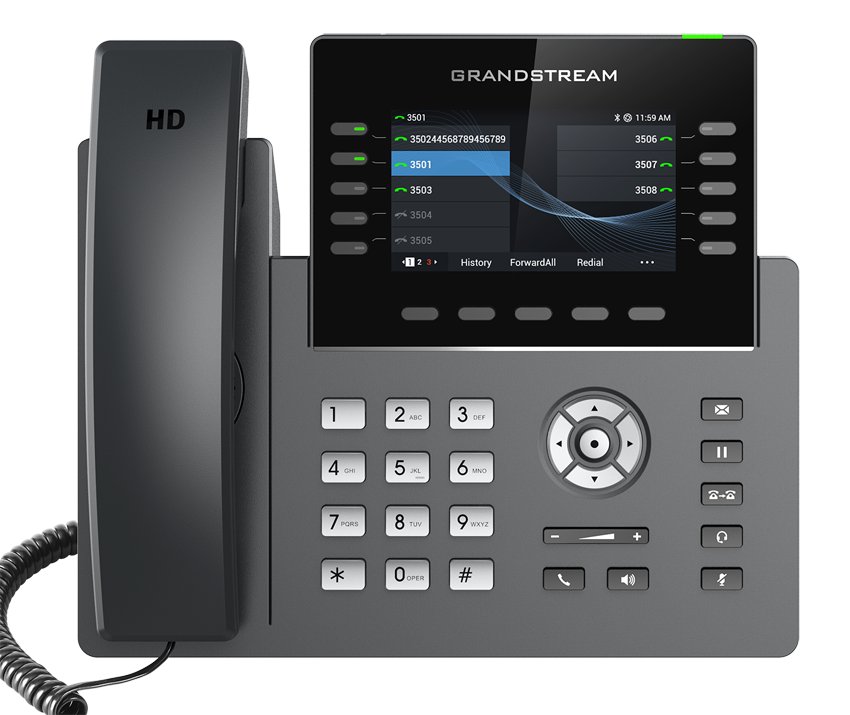
The rise of advanced devices like Grandstream’s IP phones exemplifies this shift toward customization. Their carrier-grade endpoints offer high-definition audio, programmable keys, and support for multiple lines—all designed to streamline user workflows. Coupled with cloud management platforms, these devices simplify deployment, monitoring, and updates across large-scale networks, reducing manual effort and minimizing errors. This combination of tailored hardware and centralized control makes building a reliable, future-proof communication network more accessible than ever.
Embracing these innovative solutions isn’t just about upgrading technology; it’s about transforming how organizations communicate. By investing in scalable, personalized systems today, businesses can enhance operational efficiency, improve user experiences, and better serve their customers. As communication needs become more complex, the ability to customize and manage telephony solutions from a single platform offers a strategic advantage—ensuring your network remains agile, secure, and ready for growth.
From Landlines to IP Phones: The Evolution of Telephony Devices and Technologies
Telephony devices have come a long way from the simple landlines of the past. Originally, most businesses relied on analog phones that offered basic voice communication within a fixed network, with little room for customization or expansion. As technology advanced, the shift to digital and IP-based systems revolutionized business communication, providing more flexibility and a wider array of features. Today, Voice over Internet Protocol (VoIP) is the standard, allowing voice calls to travel over the internet rather than traditional phone lines. This change has driven significant cost savings and opened the door to new capabilities like video calling, instant messaging, and seamless integration with other digital tools.
Modern telephony solutions now include a broad range of devices such as IP phones, softphones, and cloud-managed platforms. IP phones, in particular, deliver high-definition audio, customizable interfaces, and support for multiple lines, making them suitable for both small teams and large organizations. These devices are engineered for scalability, allowing businesses to expand their communication infrastructure as they grow without hassle. Cloud-managed systems further simplify deployment and ongoing management, enabling centralized control over device configuration, updates, and security—reducing manual effort and minimizing errors.
Current trends emphasize integration and mobility. Unified communications platforms combine voice, video, chat, and file sharing into a single interface, helping teams stay connected regardless of location. This integration breaks down communication silos, streamlining workflows and improving collaboration—especially for remote or hybrid workers. The ability to switch seamlessly between different modes keeps everyone connected and productive, creating a smoother user experience. Security features like encryption and secure access are now standard, ensuring sensitive conversations remain protected even as systems become more interconnected.
The evolution of telephony devices also reflects the diverse needs of different organizations. Healthcare providers require secure, HIPAA-compliant systems to safeguard patient information, while retailers benefit from multi-line phones and mobile support to handle high call volumes efficiently. Educational institutions need scalable solutions to support remote learning, and manufacturing facilities rely on rugged devices that perform reliably in tough environments. Recognizing these varied demands helps organizations select the right hardware and deployment strategies to meet their specific operational needs.
Cloud management platforms like Grandstream’s GDMS streamline the deployment and maintenance of telephony networks. They enable IT teams to configure, monitor, and update hundreds or thousands of devices remotely from a single interface. This centralized control reduces manual effort, ensures consistent configurations across multiple locations, and enhances security through real-time oversight and easier security patching. Whether expanding an existing network or deploying new devices, cloud management makes scaling quick and efficient, supporting rapid growth without sacrificing control.
As telephony technology continues to evolve, the focus remains on creating smarter, more adaptable networks. Innovations like AI-driven analytics, voice recognition, and automated call routing are shaping a future where communication systems are more personalized, secure, and easy to manage. Embracing these trends now allows organizations to stay ahead of the curve, leveraging their communication infrastructure as a strategic asset that drives operational efficiency, supports remote work, and fosters growth in an increasingly digital world.

Harnessing the Latest Trends and Innovations in Modern Telephony
Modern telephony technology is evolving at a rapid pace, reshaping how organizations communicate and collaborate. Cloud-managed systems have become a game-changer, allowing businesses to deploy, monitor, and update their networks remotely. This shift minimizes downtime and streamlines maintenance, letting IT teams configure devices, roll out new features, and troubleshoot issues from anywhere. The centralized control not only simplifies scaling but also ensures consistency and security across multiple locations.
At the same time, unified communications platforms are transforming teamwork by integrating voice, video, messaging, and file sharing into a single interface. This seamless integration reduces communication silos, enabling remote and hybrid teams to stay connected effortlessly. Switching between different modes of communication becomes fluid, boosting productivity and creating a cohesive user experience that adapts to diverse work environments.
Another major development is the rise of mass deployment devices like Grandstream’s IP phones, designed for quick, large-scale rollout. These carrier-grade devices support centralized provisioning and management, making it possible to deploy hundreds or thousands of phones with minimal effort. This scalability is crucial for expanding into new markets or upgrading infrastructure without sacrificing control or security, ensuring that organizations can grow confidently.
AI-driven features are also shaping the future of telephony. Voice recognition, automated call analytics, and intelligent routing personalize interactions and enhance service quality. These tools provide valuable insights, helping organizations better understand customer needs and optimize workflows. As AI continues to embed itself into communication systems, businesses will be able to deliver more tailored experiences while gaining operational intelligence that informs strategic decisions.
Security remains a top priority amid these innovations. Encryption, secure access controls, and routine firmware updates protect sensitive conversations and data from cyber threats. Embedding security into devices and platforms ensures compliance and builds trust with clients, even as networks become more interconnected and complex. This focus on safeguarding communications is essential for maintaining organizational integrity and confidence in digital interactions.
In summary, today’s telephony landscape is marked by smarter, more flexible, and scalable solutions. Cloud management, unified communication platforms, and AI features are creating networks that are not only more responsive but also more adaptable to changing needs. Embracing these trends now positions organizations to improve efficiency, support remote work seamlessly, and stay competitive in a digital-first world. The ongoing innovations promise a future where communication systems are powerful strategic assets, driving growth and agility.
Exploring Grandstream’s Device Ecosystem: Scalability, Security, and Seamless Management
Grandstream’s device ecosystem offers a versatile and scalable range of solutions designed to meet the diverse needs of modern businesses. From small offices to large enterprises, their IP phones, gateways, and mass deployment devices are engineered for easy management, reliable performance, and future growth. The flagship GRP series stands out as carrier-grade IP phones built specifically for large-scale deployment, featuring high-definition audio, vibrant color screens, and extensive programmable keys that simplify call handling. These devices integrate seamlessly with Grandstream’s GDMS platform, enabling centralized cloud provisioning, configuration, and monitoring—streamlining deployment and reducing operational overhead.
Customization plays a key role in Grandstream’s approach. Their IP phones support multiple lines, customizable interfaces, and programmable keys, allowing organizations to tailor devices to specific workflows. This flexibility enhances user productivity, whether it’s reception staff managing high call volumes or remote workers requiring versatile communication tools. The intuitive design ensures a smooth user experience while supporting complex operational demands, making it easier to adapt the devices to unique organizational needs.
Deploying and maintaining these devices is straightforward thanks to Grandstream’s centralized management platform. GDMS provides a single interface to configure, monitor, and update thousands of endpoints across multiple locations. This centralized control not only accelerates large-scale rollouts but also maintains consistent security standards and configurations. It minimizes manual effort, reduces errors, and allows IT teams to respond swiftly to emerging needs or security updates, ensuring the network remains resilient and secure.
Durability and security are embedded into every device. Many models support advanced encryption protocols, secure boot processes, and access controls to protect sensitive conversations and data. Coupled with high-quality audio and video capabilities, these devices deliver clear, professional communication essential for customer engagement and internal collaboration. Designed to integrate seamlessly with existing network infrastructure, they support Quality of Service (QoS) features that uphold high call quality even during peak usage.
Choosing Grandstream means investing in a future-proof communication infrastructure. Their scalable hardware, combined with cloud-based management and customizable features, allows organizations to grow confidently. Whether deploying a handful of phones or thousands across multiple sites, their ecosystem supports rapid, secure, and manageable expansion. This adaptability ensures that as operational demands evolve, the communication network remains reliable, efficient, and aligned with future business goals.

Future-Proof Your Communication Strategy: The Outlook for Customizable Telephony Solutions
Looking ahead, the landscape of customizable telephony solutions is set to become even more dynamic, driven by rapid technological advancements. Cloud management platforms, AI-powered features like voice recognition and automated analytics, and scalable hardware such as Grandstream’s devices are transforming communication networks into smarter, more adaptable assets. These innovations are not just improving current workflows—they’re revolutionizing how organizations operate, making them more agile and responsive in a competitive environment.
Adopting these solutions now offers a strategic edge. Businesses can streamline operations, elevate user experiences, and quickly adapt to changing needs—all while simplifying management and reducing downtime. This proactive approach lays the foundation for sustained growth, allowing organizations to expand or modify their networks with confidence. As their communication infrastructure becomes more flexible and secure, they position themselves to seize new opportunities and stay ahead of industry shifts.
The trend toward smarter, integrated networks will accelerate as AI-driven tools become standard. Features like personalized call routing, intelligent analytics, and voice recognition will deepen customer insights and improve service quality. Meanwhile, cloud-based management will continue to simplify deployment, updates, and security oversight, freeing resources for innovation rather than routine maintenance. Embracing these trends today ensures that networks remain resilient, efficient, and aligned with future business ambitions.
Security will remain a core focus as systems grow more interconnected. Robust encryption, secure access controls, and regular firmware updates will safeguard sensitive conversations and data from evolving cyber threats. Embedding security at every level not only protects organizational integrity but also builds trust with customers and partners. By prioritizing safety, companies reinforce their commitment to privacy and compliance, which are increasingly critical in today’s digital landscape.
Investing in customizable telephony solutions now creates a strong foundation for long-term success. These systems empower organizations to be more adaptable, innovative, and competitive, no matter how quickly the market evolves. With the right infrastructure, businesses can support remote work, enhance collaboration, and deliver superior customer experiences—all while maintaining control and security across their networks.
Ultimately, the future of telephony lies in systems that are scalable, secure, and highly personalized. Organizations that embrace these technologies early will unlock new levels of operational efficiency and strategic agility. Their communication networks will serve as vital drivers of growth, fostering innovation and resilience in an increasingly digital world. As the pace of change continues to accelerate, staying ahead with future-ready solutions isn’t just an option—it’s essential for thriving in tomorrow’s business landscape.