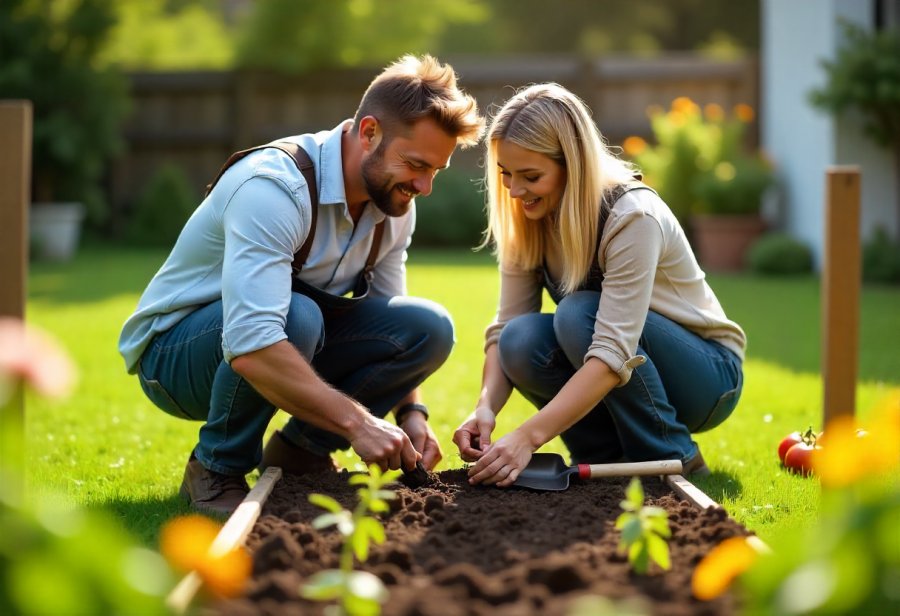
Transforming Toronto yards into beautiful, sustainable retreats is both achievable and essential in today’s eco-conscious landscape. This comprehensive approach balances visual appeal with environmental responsibility, raising the question: how can homeowners create outdoor spaces that are resilient, functional, and eco-friendly? By emphasizing native plants, stormwater management features, recycled materials, and smart technology, designers craft landscapes that thrive amidst Toronto’s seasonal extremes while supporting local ecosystems. Practical case studies demonstrate the power of layered native plantings, rain gardens, and reclaimed materials, illustrating how beauty and sustainability can coexist seamlessly. As innovation accelerates—through smart irrigation, living walls, and biodiverse habitats—the future of outdoor design promises spaces that are not only visually stunning but also vital ecosystems. With each successful project, Toronto’s outdoor spaces evolve into resilient, vibrant environments that reflect a shared commitment to environmental stewardship. How will these principles continue to shape our outdoor living in the years ahead?
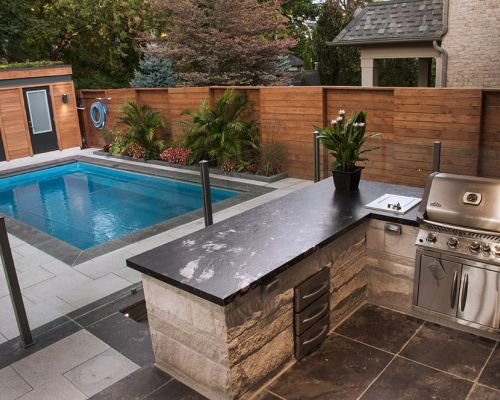
Transform Your Toronto Yard into a Sustainable Outdoor Retreat
Creating an outdoor space in Toronto isn’t just about planting a few flowers or laying down a patio; it’s about designing a retreat that feels welcoming, looks beautiful, and respects the environment. Toronto’s climate—marked by cold winters and humid summers—poses unique challenges, making thoughtful planning essential. Choosing native plants like oaks, maples, and conifers ensures your yard can withstand seasonal changes while reducing maintenance and resource use. These hardy species not only boost visual appeal but also support local ecosystems.
Today’s homeowners want more than just eye-catching gardens—they seek outdoor spaces that support ecological health. Features like stormwater management, water-saving elements, and habitat creation are becoming vital parts of landscape design. This shift reflects a broader awareness of environmental impact and a desire to live more sustainably. By understanding Toronto’s landscape and climate, you can craft a yard that’s both resilient and inviting.
Designing a yard that balances beauty and sustainability begins with clear goals. Whether you aim for a cozy family spot, a pollinator-friendly garden, or a low-maintenance retreat, your choices should align with your values. Native plants form the foundation—they thrive naturally, need less water, and support local wildlife. Incorporating practical features like rain gardens and permeable paving helps manage stormwater runoff, protect waterways, and create a lush, functional landscape.
Working with Toronto’s seasonal extremes means selecting durable plants and materials. Winter resilience is key—native species and sturdy design choices keep your yard looking good year-round. Using recycled materials for pathways or borders adds character and reduces waste, making your project more sustainable. When these elements come together thoughtfully, they create a space that’s not only beautiful but built to last and support your lifestyle and the environment.
Transforming your yard into a sustainable retreat isn’t just about aesthetics—it’s about creating a space that reflects your values and adapts to seasonal changes. Strategic placement of seating, lighting, and features ensures your outdoor area is functional and inviting in every season. With careful planning and ongoing care, your yard can become a vibrant, eco-friendly sanctuary that enhances your home and supports Toronto’s ecosystem.
Clear communication with your landscape designer is crucial. Sharing your vision early helps ensure the final outcome matches your expectations and suits Toronto’s environment. Educating yourself about native plants and eco-friendly practices makes collaboration more rewarding. This joint effort turns a simple yard makeover into a meaningful journey toward creating a space that’s both stunning and sustainable.
Core Principles for Eco-Friendly Landscape Design
Sustainable landscape design centers on making choices that protect the environment while creating beautiful outdoor spaces. Native plants are at the heart of this approach—they are naturally suited to Toronto’s climate, requiring less water, fewer fertilizers, and minimal pesticides. By selecting these resilient species, you not only reduce ongoing maintenance but also support local pollinators like bees and butterflies, strengthening the surrounding ecosystem.
Water management plays a crucial role in eco-friendly landscaping. Features such as rain gardens, permeable pavements, and drought-tolerant plants help control stormwater runoff and prevent flooding. These solutions allow water to soak into the ground naturally, reducing pressure on municipal drainage systems and filtering pollutants before they reach waterways. When integrated thoughtfully, they add visual interest and functional value to your yard.
Recycled and locally sourced materials further enhance sustainability. Using reclaimed wood, recycled bricks, or gravel minimizes waste and lowers your project’s carbon footprint. These materials lend character and durability, giving your landscape a distinctive look that also supports eco-conscious practices. Durable, low-maintenance features like permeable pathways and recycled borders ensure your yard remains attractive and resilient over time with less ongoing resource use.
Creating habitats that attract wildlife is essential for ecological health. Layered native plantings provide food and shelter for pollinators, birds, and other creatures, increasing biodiversity and supporting local ecosystems. Designing with ecological function in mind transforms your yard into a vibrant habitat that benefits the broader environment of Toronto, fostering a healthier, more balanced landscape.
Thoughtful planning of your landscape’s overall layout enhances both beauty and sustainability. Strategic placement of rain gardens, native plant beds, and recycled materials not only improves drainage and supports wildlife but also creates focal points that elevate the yard’s aesthetic appeal. This holistic approach turns practical, eco-friendly features into integral parts of a cohesive, visually pleasing outdoor environment.
Sustainable landscape design isn’t about sacrificing beauty; it’s about making smarter choices that pay off over time. Each element—native plants, stormwater features, recycled materials—works together to produce a vibrant, resilient, and eco-friendly yard. When you prioritize these principles, your outdoor space becomes more than just a pretty view—it becomes a reflection of your commitment to environmental responsibility and long-term durability.

Smart Strategies to Harmonize Beauty and Sustainability
Creating a landscape that balances beauty and sustainability begins with thoughtful planning and the careful selection of features. Native plants are a cornerstone of this approach—they thrive naturally in Toronto’s climate, requiring less water, fewer chemicals, and minimal maintenance. Incorporating these resilient species creates a layered, textured garden that supports local wildlife, from pollinators to birds, while adding visual richness. This strategy not only enhances the natural appeal but also ensures the landscape remains resilient through seasonal changes and pests.
Stormwater management is vital in sustainable design. Features like rain gardens and permeable pavements allow water to soak into the ground instead of rushing off into storm drains. These solutions reduce runoff, prevent flooding, and protect Toronto’s waterways from pollution. Placing them strategically within your yard transforms practical elements into focal points that improve drainage and add lush visual interest, seamlessly blending function and beauty.
Using recycled or locally sourced materials further elevates sustainability. Reclaimed wood, recycled bricks, and gravel can be incorporated into pathways, borders, and seating areas, lending character and texture while diverting waste from landfills. These durable, low-maintenance materials stand the test of time, requiring less ongoing resource input and giving your landscape a distinctive, eco-friendly charm. When thoughtfully integrated, they reinforce the overall harmony of your outdoor space.
Modern outdoor technology also plays a significant role. Solar-powered lighting, water-efficient irrigation systems, and energy-saving fixtures can be woven into your design without disrupting its aesthetic. These features extend usability into the evening, create inviting atmospheres, and reduce utility consumption. Smart technology ensures your landscape remains environmentally conscious while maximizing comfort and visual appeal.
Designing with purpose involves more than plant and feature choices; it’s about creating a cohesive whole. Strategic placement of native plant beds, rain gardens, and recycled materials transforms practical solutions into focal points that elevate the overall aesthetic. This deliberate integration ensures each element works in harmony, supporting ecological functions while enhancing visual interest and inviting outdoor enjoyment.
Flexibility in your landscape design adds longevity. Incorporating adaptable zones—such as movable planters or multi-use seating areas—allows your yard to evolve with your needs and seasons. This flexibility minimizes the need for constant redesign and helps your garden stay vibrant and functional year-round, balancing beauty with practicality over time.
Maintenance remains key to preserving both beauty and sustainability. Regular mulching, pruning, and monitoring keep plants healthy and thriving, while energy-efficient lighting and watering systems reduce resource use. Consistent care ensures your landscape continues to reflect your values and withstand the test of time, turning your outdoor space into a resilient, ever-beautiful retreat.
By combining these strategies—native plants, stormwater solutions, recycled materials, smart technology, and adaptable design—you create a landscape that’s both stunning and sustainable. This integrated approach results in a vibrant outdoor environment that supports ecological health, requires less ongoing effort, and remains inviting in every season. It’s a practical, inspiring way to transform your Toronto yard into a true outdoor retreat that celebrates beauty and respects the environment.
Real-World Success Stories of Sustainable Toronto Gardens
Transforming Toronto backyards into stunning outdoor retreats that effectively balance beauty and sustainability is best demonstrated through real-world examples. One homeowner aimed to create a lush, low-maintenance garden that also attracts pollinators like bees and butterflies. By incorporating native plantings, a rain garden to handle stormwater, and permeable pathways that blend seamlessly into the landscape, the space became vibrant and inviting. Not only did it enhance visual appeal, but it also improved water absorption and minimized runoff, showing how eco-friendly choices can elevate aesthetic value.
Another successful project involved crafting an outdoor living area using reclaimed materials such as salvaged wood for decking and recycled bricks for pathways. Solar-powered lighting was integrated to add warmth and ambiance without increasing energy consumption. A small recirculating water feature contributed to a calming atmosphere, all tailored to Toronto’s climate and environmental needs. These elements combined to produce a space that is both functional and visually appealing, proving that sustainability and comfort can go hand in hand.
Many Toronto yards highlight the power of native plants to support local ecosystems. A garden designed to attract wildlife layered native shrubs, perennials, and grasses, providing food and shelter for pollinators and birds. This approach reduces watering and chemical use, making maintenance easier and more eco-friendly. The rich diversity of native species creates a lively habitat, transforming the yard into a vibrant ecosystem that benefits broader environmental health.
Stormwater management features like rain gardens and permeable pavements are increasingly common in these projects. One homeowner transformed a utilitarian patch into a lush rain garden filled with native wildflowers, turning a simple drainage solution into a focal point that attracts pollinators. These practical features not only reduce flooding and pollution but also add visual interest, proving that functional and ecological improvements can enhance a landscape’s beauty.
Designers often turn to recycled and locally sourced materials to add character and reduce waste. Reclaimed bricks create charming patios, while recycled stone pathways add texture and depth. These choices divert waste from landfills and produce durable, low-maintenance features that stand the test of time. When thoughtfully integrated, these eco-friendly materials elevate a landscape’s aesthetic, demonstrating that responsible design can be both striking and sustainable.
Maintaining these landscapes over time is key to their success. Regular mulching, pruning, and monitoring keep plants healthy and vibrant. Incorporating energy-efficient lighting and water-saving systems reduces resource use and extends the lifespan of the design. These efforts ensure that the yard remains a resilient, beautiful retreat year after year, inspiring homeowners to adopt ongoing care practices. Together, these projects exemplify how careful planning and consistent maintenance turn sustainable landscapes into enduring outdoor havens that delight the eye and support the environment.
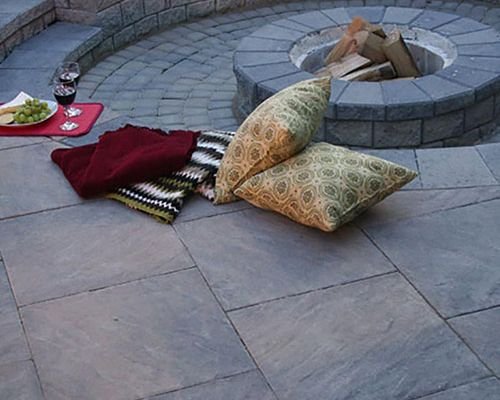
Future Trends and Reflections on Eco-Conscious Outdoor Living
As Toronto continues to embrace sustainable outdoor design, the lessons from recent projects highlight clear principles that can guide future efforts. Using native plants, managing stormwater effectively, and choosing eco-friendly materials aren’t just passing trends—they are proven strategies for creating resilient, beautiful yards that support local ecosystems. These approaches demonstrate that ecological responsibility enhances a landscape’s visual appeal rather than diminishes it, proving that sustainability and beauty can go hand in hand. Homeowners and designers are recognizing that durable, environmentally conscious landscapes are built on thoughtful, practical choices that stand the test of time.
Looking ahead, emerging trends are shaping the future of outdoor spaces in Toronto. Smart irrigation systems, which adjust watering based on weather and soil conditions, are increasingly common. They help conserve water while keeping gardens lush and healthy, aligning perfectly with eco-conscious principles. Green infrastructure innovations like living walls and modular rain gardens are gaining popularity, blending functionality with striking aesthetics. These advancements not only improve ecological performance but also add a modern, stylish touch that appeals to homeowners eager to combine style with sustainability.
Biodiversity is becoming central to landscape planning. More residents want to attract pollinators, birds, and other wildlife, making native plantings and habitat features essential. This shift supports healthier ecosystems and infuses vitality into outdoor spaces. Meanwhile, the demand for eco-friendly materials—such as reclaimed wood, recycled stone, and permeable pavers—is growing. These materials reduce waste and environmental impact while adding character and depth, showing that eco-responsible choices can also be highly attractive.
Technology continues to influence outdoor design, with solar-powered lighting, energy-efficient irrigation, and smart fixtures becoming more affordable and accessible. These tools enhance the usability and ambiance of outdoor spaces without increasing resource consumption. As awareness of environmental impact deepens, landscapes will increasingly incorporate these innovations, making sustainability a standard feature rather than an afterthought. The goal is clear: create outdoor retreats that are both functional and aligned with a greener future.
The core message is that the future of Toronto’s outdoor spaces isn’t about choosing between beauty and sustainability—it’s about integrating these elements seamlessly. Thoughtful decisions around native plants, water-smart features, and eco-friendly materials craft landscapes that are resilient, vibrant, and responsible. This balanced approach not only supports broader environmental goals but also results in outdoor environments that delight and inspire. As design continues to evolve, these principles will remain at the heart of creating outdoor retreats that are as sustainable as they are stunning.
Staying informed about emerging technologies and innovative practices is crucial. New materials, smarter systems, and creative design solutions will keep pushing the boundaries of what’s possible in eco-conscious landscapes. These advancements will make sustainable design more accessible and appealing, encouraging wider adoption across Toronto. By embracing innovation, landscape professionals and homeowners can shape outdoor spaces that reflect current values while setting new standards for resilience and beauty.
Every successful project adds to a growing foundation of knowledge and inspiration. Each example of a well-executed, sustainable yard reinforces that responsible design is not a sacrifice but a pathway to richer, more meaningful outdoor living. As the collective effort grows, Toronto’s outdoor spaces will become more than just beautiful— they will be vital ecosystems that support health, biodiversity, and community well-being. This ongoing journey reminds us that the best landscapes are those that serve both people and the planet.
In the end, the pursuit of sustainable outdoor design is a continuous process of learning, adapting, and innovating. With each project, homeowners and designers contribute to a future where beauty and ecology coexist naturally. This shared commitment ensures that Toronto’s yards will remain vibrant, resilient, and environmentally friendly for generations to come. Embracing this balanced vision transforms outdoor spaces into true reflections of responsible living—spaces that inspire, nurture, and endure.