What if true strength isn’t measured by conquest or external achievements but by inner discipline and moral resilience? Marcus Aurelius, the revered Roman emperor and Stoic philosopher, exemplifies this paradox. Amid wars, plagues, and political upheaval, he found stability not in dominance but in self-control, wisdom, and resilience. His life prompts us to reconsider the nature of power: can mastering oneself be the greatest empire of all? This exploration reveals that cultivating virtues like patience, reflection, and moral clarity creates a lasting foundation for authentic leadership and personal fulfillment. Through daily habits such as journaling and mindfulness, we learn that inner discipline—more than external success—can withstand life’s chaos and leave a profound legacy. Marcus’s example challenges us to shift our focus inward, embracing humility and virtue as the true sources of enduring strength, ultimately showing that the most powerful leaders govern themselves first.
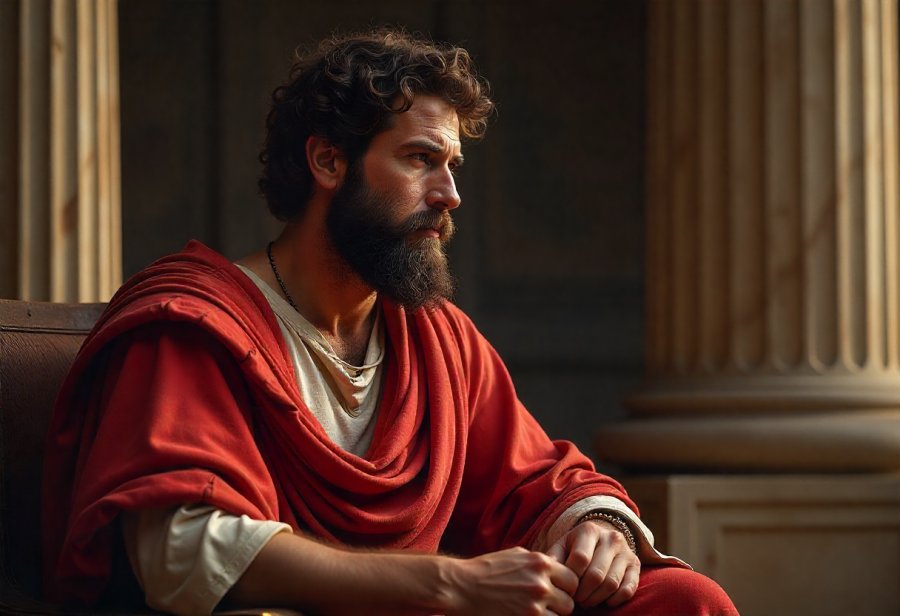
Uncovering the Quiet Power of Inner Discipline
When we think about strength, it’s easy to picture grand displays—winning battles, conquering territories, or amassing wealth. But what if the most profound form of strength isn’t about what we take from the outside world? Instead, it might lie in how well we understand and control ourselves. This idea has been central to philosophy for centuries, especially in Stoicism, which emphasizes mastering our thoughts and emotions as the highest kind of power. It’s a quiet strength that doesn’t shout for attention but quietly guides us through life’s chaos and challenges.
Take Marcus Aurelius, the Roman emperor and Stoic philosopher. Despite wielding immense political and military authority, he believed true strength came from within. His writings in Meditations reveal a man committed to inner resilience, self-control, and moral clarity. These virtues helped him navigate wars, plagues, and political upheavals, all while maintaining a sense of calm and purpose. His life prompts a powerful question: could cultivating inner discipline be more valuable than external victories? Marcus’s example suggests that leadership rooted in self-mastery endures far longer than any conquest or material gain.
In today’s fast-paced, distraction-filled world, the importance of inner strength is more relevant than ever. Leaders who prioritize mental resilience and self-control tend to make clearer decisions under pressure and inspire authentic trust. On a personal level, developing inner discipline helps us manage stress, stay focused, and adapt more effectively to change. External success can be fleeting, but inner virtues like patience and humility build a foundation for lasting fulfillment. Marcus Aurelius’s life reminds us that real power isn’t about external dominance but about governing ourselves with discipline and moral purpose.
Often, our culture celebrates external achievements—fame, wealth, status—while overlooking the quiet power of inner virtues. Yet history and philosophy teach us that true strength comes from within. It’s about shaping character, controlling impulses, and building resilience—traits that enable us to remain steady in adversity. Marcus’s ability to govern himself amid chaos exemplifies this. His life demonstrates that inner discipline isn’t just an abstract ideal; it’s a vital tool for navigating life’s inevitable ups and downs. When we focus on cultivating inner virtues, we turn fleeting external success into lasting inner peace.
The big question is: what kind of strength do we want to develop? External accomplishments may bring temporary recognition, but lasting influence and inner peace come from self-mastery. Marcus Aurelius’s life shows that the most enduring power is rooted in the discipline of our minds and spirits. By focusing on inner virtues, we create a stable foundation that supports us through difficult times. This ongoing journey of self-cultivation transforms how we lead ourselves and others, proving that the greatest power begins within.
Marcus Aurelius: A Leader in Turbulent Times
Marcus Aurelius ruled as Roman Emperor from 161 to 180 AD, a period marked both by the empire’s territorial zenith and mounting challenges. Despite overseeing a vast and diverse domain, he faced relentless threats along the northern borders from Germanic tribes pushing into Roman territory. These military conflicts demanded resilience, strategic patience, and leadership grounded in inner strength—qualities Marcus exemplified both on the battlefield and in his writings.
During his reign, the empire was struck by devastating plagues that decimated populations and strained resources. These crises tested Marcus’s ability to maintain stability and morale within an already stretched empire. Beyond external threats, internal issues like political intrigue, corruption, and court rivalries threatened to undermine his authority. Yet, through all these upheavals, Marcus’s commitment to Stoic philosophy shaped his approach to leadership.
Born into a prominent Roman family in 121 AD, Marcus received a rigorous education in rhetoric, ethics, and philosophy from an early age. His adoption by Emperor Antoninus Pius as his son and heir set him on a path toward leadership rooted in virtue and self-discipline. When he became emperor, he inherited an empire at its peak but also faced immediate dangers—wars along the Danube frontier, internal unrest, and political machinations.
What distinguished Marcus was his unwavering dedication to Stoic ideals. His journal, Meditations, reveals a leader who prioritized virtue, moral clarity, and inner resilience over external displays of power. He understood that true strength came from within—an understanding that allowed him to govern with calm, patience, and moral purpose amid chaos.
Throughout turbulent times, Marcus’s inner discipline empowered him to accept what he could not change and focus on moral action. His reflections show a man who saw the importance of mastering himself as the key to effective leadership. His ability to govern with calm and resilience in the face of adversity continues to inspire, illustrating that even amidst external turmoil, the greatest power lies in the strength of the inner life.
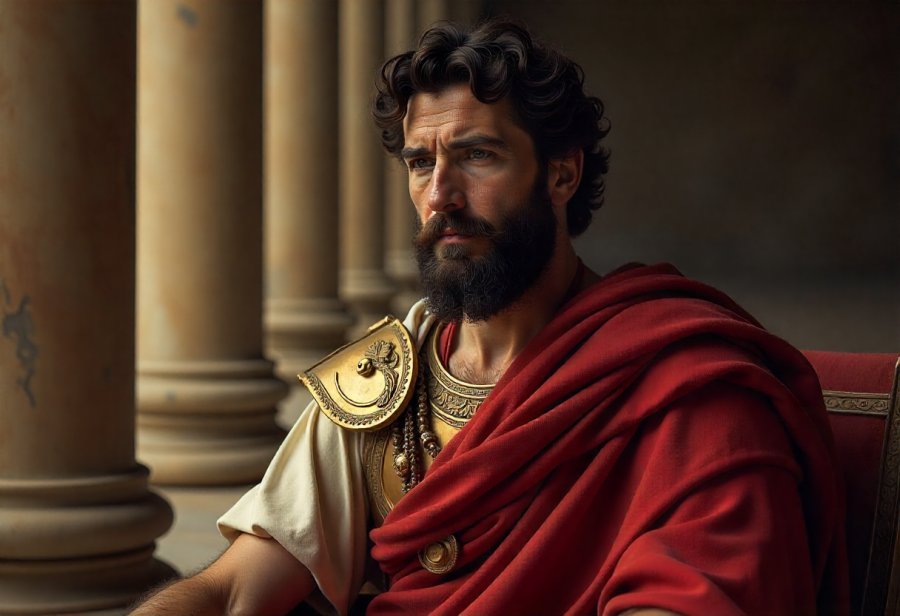
Foundations of True Strength: Self-Mastery, Resilience, and Wisdom
At the core of inner strength lie three interwoven ideas: self-mastery, resilience, and wisdom. Mastering oneself means having control over impulses and emotional reactions, especially in difficult moments. Instead of reacting instinctively or being swept away by feelings, self-mastery involves pausing, reflecting, and choosing responses aligned with our values. Marcus Aurelius exemplified this discipline by constantly reminding himself to govern his impulses and remain calm amid chaos, whether in war, political strife, or personal hardship.
Resilience is the ability to recover from setbacks and maintain a steady mental state despite adversity. It’s not just about enduring difficult times but viewing challenges as opportunities for growth. Resilient individuals see obstacles as chances to practice patience, humility, and perseverance. Marcus faced numerous hardships—wars, plagues, political rivalries—but his resilience kept him focused and composed, enabling him to lead effectively even when circumstances seemed overwhelming.
Wisdom acts as a guiding light, helping us discern what truly matters and make decisions rooted in reason and virtue. It involves prioritizing long-term values over fleeting desires or external pressures. Marcus’s reflections reveal a man who aligned his actions with his understanding of Stoic virtues, emphasizing that inner clarity is essential for genuine strength. Wisdom keeps us aligned with our purpose, preventing us from being swayed by short-term temptations.
These three ideas—self-mastery, resilience, and wisdom—are deeply interconnected. Controlling impulses fosters resilience, as it prevents emotional reactions that can derail us. Resilience, in turn, supports wise decision-making by helping us stay calm and focused under pressure. Together, they create a stable foundation for inner discipline, enabling us to remain steady regardless of external chaos.
Cultivating these virtues shifts our focus from external validation to internal growth. Building inner discipline relies on developing consistent habits—like patience, reflection, and acting with integrity—that gradually strengthen character. Marcus Aurelius’s nightly journaling is a prime example: a simple act that reinforces virtues, cultivates resilience, and keeps us aligned with our higher purpose. Over time, these habits become second nature, transforming inner strength into a reliable source of calm and clarity.
By embracing these principles, we develop a form of strength that endures beyond external circumstances. Inner discipline becomes our most reliable resource in turbulent times, allowing us to face life’s inevitable challenges with grace. Marcus’s life demonstrates that true power isn’t about domination or external achievements but about governing ourselves with moral clarity and resilience. This inner strength is what ultimately shapes authentic leadership and a fulfilled life.
Cultivating Inner Power: Practical Steps for Daily Growth
Building inner strength is a daily practice, not a one-time effort or grand gesture. Small, consistent actions gradually shape our character and reinforce our discipline. Journaling, for example, is a simple yet powerful way to cultivate self-awareness. Spending a few minutes each day reflecting on your thoughts, reactions, and decisions helps identify patterns and triggers. Over time, this habit makes it easier to pause and choose responses aligned with your values instead of reacting impulsively. Marcus Aurelius’s nightly reflections exemplify how regular self-examination can reinforce virtues and keep us grounded.
Mindfulness and meditation further support this process by training us to observe our thoughts and emotions without immediately acting on them. These practices create a mental space where we can breathe, regain clarity, and respond thoughtfully rather than react out of stress or instinct. Even a few minutes of focused breathing each day can strengthen resilience, helping us stay calm and centered amid chaos. The more we cultivate this mental reset, the more natural it becomes to handle pressure with patience and clarity.
Resisting temptations and practicing patience in everyday situations are essential ways to build discipline. Whether it’s waiting calmly in line, delaying gratification, or choosing integrity over shortcuts, these small acts expand our capacity for self-control. Marcus emphasized moderation and patience, seeing each moment of restraint as a step toward greater inner strength. As these habits become second nature, they empower us to maintain focus and purpose, even when faced with more significant challenges.
Acting consistently in line with our values reinforces our inner discipline. When faced with temptations—whether at work, in relationships, or in personal choices—opting for honesty, fairness, and integrity strengthens our moral resilience. Marcus’s unwavering commitment to Stoic virtues, despite external pressures, shows how small daily decisions can solidify our character. Over time, these deliberate actions become automatic, weaving discipline into the fabric of our lives.
Managing our environment also plays a crucial role. Reducing distractions, setting boundaries on social media, and creating quiet moments for reflection help conserve mental energy and clarity. Marcus understood that simplicity and intentionality foster inner calm and moral focus. By controlling external influences, we create the conditions necessary for consistent growth. This deliberate environment makes it easier to stay aligned with our goals and reinforce our inner strength.
Ultimately, cultivating inner discipline requires ongoing effort and intentionality. It’s about choosing daily habits that support our growth—reflecting, practicing patience, acting with integrity, and creating space for clarity. Over time, these habits transform discipline from a conscious effort into a natural part of who we are. This steady process builds a resilient core of inner strength that can withstand life’s inevitable storms, echoing Marcus Aurelius’s belief that mastery over oneself is the greatest form of power.
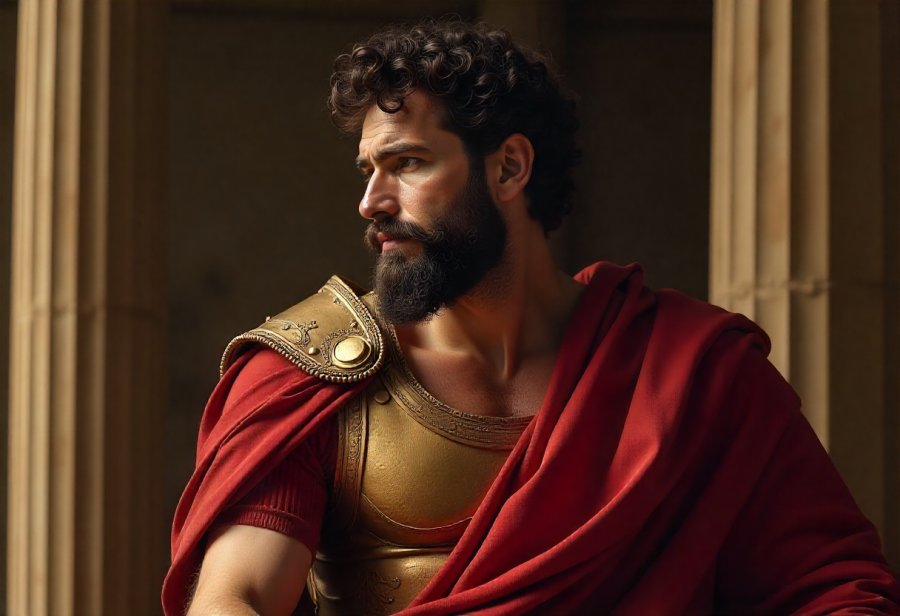
Embracing Inner Power: The Path to Lasting Strength and Fulfillment
Inner strength isn’t about external achievements or dominating others; it’s about cultivating virtues like wisdom, self-control, and resilience from within. Marcus Aurelius’s life shows us that the deepest power comes not from conquest, but from mastering ourselves—especially when faced with adversity. When we focus on developing inner discipline, we lay a foundation that fosters steady growth, moral clarity, and authentic leadership. This shift from external success to inner virtues creates a lasting sense of purpose and peace that external gains can’t match.
By nurturing inner discipline, we build resilience that helps us stay calm and focused amid chaos. It allows us to see setbacks not as failures but as opportunities for growth. Marcus’s example teaches us that true strength rooted in self-control and moral clarity can withstand wars, plagues, and political turmoil. This kind of strength isn’t loud or flashy; it’s steady, reliable, and enduring—qualities that enable us to act with integrity and inspire trust in others.
Inner discipline is a lifelong journey, not a final destination. Small daily actions—like reflecting before reacting, practicing patience, or staying true to our values—accumulate into a powerful force that shapes our character. These habits, reinforced over time, become second nature, transforming discipline into an inner well of strength that supports us through life’s inevitable challenges. Marcus’s nightly reflections remind us that self-awareness and deliberate effort are key to strengthening our virtues.
Choosing inner discipline over external validation also means embracing humility and moral clarity. External success can fade, but inner virtues provide a stable sense of purpose that guides us through both peace and crisis. When we govern ourselves with integrity, we create a resilient core that remains steady regardless of circumstances. This inner strength becomes the foundation of genuine influence and fulfillment, offering a clarity that external accomplishments alone cannot provide.
Adopting inner discipline transforms the way we live and lead. It encourages us to see setbacks as opportunities rather than failures, and to focus on the growth that comes from persistent effort. Through consistent practice, we develop habits that reinforce resilience and wisdom—making them second nature. Over time, this inner strength becomes an unwavering resource, empowering us to navigate life’s storms with grace and purpose.
Ultimately, true power begins within. Cultivating virtues like patience, self-control, and resilience turns us into steady, moral leaders—both of ourselves and others. Marcus Aurelius’s example reminds us that lasting influence isn’t about external dominance but about governing ourselves with clarity and virtue. When we prioritize inner discipline, we unlock a form of strength that endures through every challenge, guiding us toward a life of integrity, peace, and authentic leadership.