Long before Hollywood’s glamourized image, Cleopatra VII emerges as a formidable scholar-queen whose true legacy lies in her unmatched intellect and diplomatic mastery. This nuanced portrayal reveals a ruler fluent in multiple languages, patron of Alexandria’s scientific and cultural hubs, and a strategic diplomat who used knowledge as her greatest weapon. Her alliances with Julius Caesar and Mark Antony were calculated moves rooted in political savvy, not romance. Modern scholarship increasingly recognizes her resilience, scientific interests, and cultural patronage, challenging outdated stereotypes that focus solely on her beauty or romantic legends. As ongoing discoveries unveil her active engagement in scientific debates and diplomatic finesse, Cleopatra’s story transforms into a testament to the power of wisdom, adaptability, and cultural influence. Could her true impact be the legacy of a leader who understood that intellectual strength and resilience forge lasting power? Her enduring story now inspires us to view leadership through the lens of knowledge and cultural engagement.
Unveiling Cleopatra: The Scholar-Queen Beyond Beauty and Romance
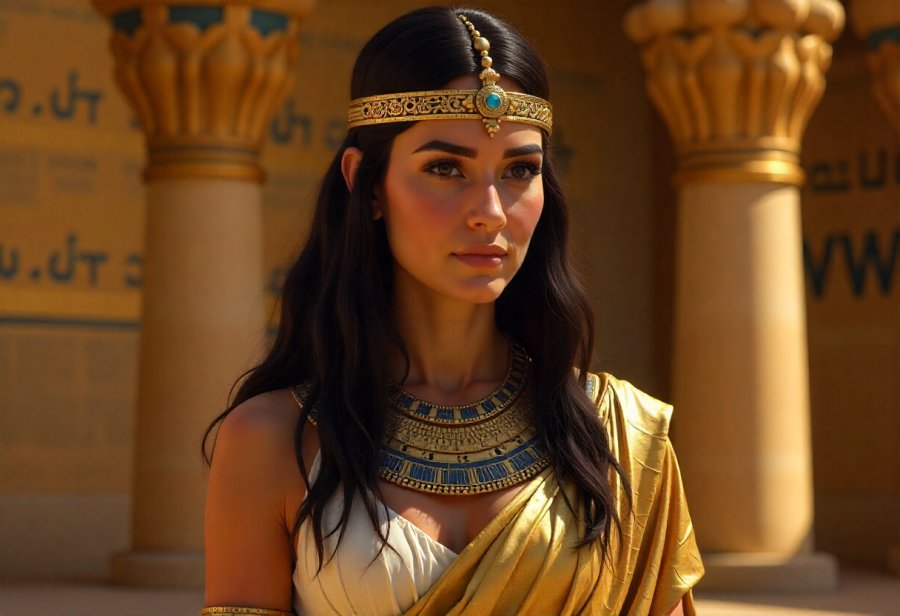
Cleopatra VII is often remembered through images of beauty and romantic intrigue, but her true legacy extends far beyond superficial appearances. She was a highly educated woman, fluent in multiple languages and deeply engaged in scholarly pursuits. Her intelligence and cultural knowledge were essential tools in her leadership, enabling her to navigate Egypt’s complex political landscape with remarkable finesse. Cleopatra understood that power was rooted in knowledge and the ability to inspire loyalty through wisdom, not just charm.
As the last active pharaoh of Egypt, Cleopatra was a master strategist, using her intellect to strengthen her position. She studied languages, sciences, and arts, viewing learning as a vital source of influence. Her dedication to education allowed her to make informed decisions and forge vital alliances, demonstrating that her leadership was grounded in cultural richness and strategic insight. This approach challenged the stereotype that her impact was based solely on beauty or personal relationships.
Her diplomatic skills complemented her scholarly pursuits. Cleopatra was adept at using symbols, language, and cultural diplomacy to project strength and legitimacy. She spoke multiple languages fluently, often engaging directly with foreign leaders and scholars, which gave her an edge in negotiations and alliances. Her ability to read her enemies and adapt her tactics made her a resilient and effective ruler in a turbulent era.
Beyond politics, Cleopatra was a patron of Alexandria’s renowned library and scientific community. She supported advancements in astronomy, mathematics, and medicine, fostering an environment of innovation that extended Egypt’s influence. Her curiosity and encouragement of scholars reflected her belief that knowledge was a potent form of power—a tool to sustain her reign and elevate her kingdom’s cultural status.
Cleopatra’s leadership style blended intelligence, diplomacy, and cultural patronage. Her alliances with Julius Caesar and Mark Antony were strategic rather than romantic, carefully designed to protect Egypt’s independence. Her multilingualism and scholarly interests gave her the ability to communicate directly and effectively, reinforcing her authority and resilience in a hostile world.
Her story continues to evolve as modern scholarship uncovers new insights into her intellectual pursuits and diplomatic mastery. These discoveries reveal a ruler whose strength lay not only in her political acumen but also in her deep commitment to learning and cultural advancement. Cleopatra’s legacy is increasingly recognized as that of a leader who valued wisdom and knowledge as her greatest assets, shaping her reputation as Egypt’s formidable scholar-queen.
Navigating Turbulence: The Political Environment and Rise of a Strategic Leader
The political landscape of Ptolemaic Egypt was marked by a constant state of flux, shaped by its Macedonian Greek origins following Alexander the Great’s conquest. The dynasty, founded by Ptolemy I, was characterized by internal rivalries, court intrigue, and shifting alliances, all set against a backdrop of external threats from neighboring Hellenistic kingdoms. Egypt’s strategic location made it a prize for emerging powers like Rome, adding layers of complexity to its internal politics. Cleopatra’s rise to power occurred amid this turbulence, demanding exceptional political acumen from a young age to navigate the web of factions and rival claims.
From her early years, Cleopatra was immersed in a multilingual and multicultural environment that was unusual for women of her era. Her education spanned Egyptian hieroglyphs, Greek philosophy, and the sciences, equipping her with a broad intellectual foundation and a sharp diplomatic sensibility. Her lineage linked her to a dynasty that valued intelligence and strategic thinking, setting her apart within the court. As she grew, Cleopatra mastered the arts of negotiation and influence, recognizing that her survival depended on both her scholarly pursuits and her political cunning.
Her ascension was far from straightforward. Following her father’s death, Cleopatra understood the importance of external backing to legitimize her claim. She swiftly engaged influential Roman figures like Julius Caesar, knowing that alliances with such power brokers could secure her throne. Her diplomatic moves—marriages, negotiations, and symbolic gestures—were carefully calculated to strengthen her position and safeguard Egypt’s independence. Her ability to read her environment, leverage her knowledge, and adapt her strategies proved vital in consolidating her authority.
Throughout her early reign, Cleopatra demonstrated remarkable agility in diplomacy. Her alliances with Caesar and later Mark Antony weren’t merely personal relationships—they were strategic maneuvers designed to reinforce Egypt’s sovereignty. Her relationship with Caesar helped her regain her throne after internal rivals challenged her authority, while her alliance with Antony aimed to preserve Egypt’s influence amid Rome’s expanding dominance. These partnerships highlight her skill in using diplomacy as a tool to balance internal stability with external security.
Cleopatra’s rise was driven by keen intelligence, resilience, and a deep understanding of her geopolitical environment. She recognized that her strength lay not only in her lineage but in her capacity to forge alliances, foster internal stability, and adapt to shifting circumstances. Her mastery of diplomatic tactics and her ability to navigate a turbulent world with wit and strategic insight set her apart as a ruler whose legacy extended beyond military conquests—she was a leader who understood the power of influence, culture, and cunning in securing her kingdom’s future.
Redefining Her Legacy: Modern Views of Cleopatra as an Intellectual Powerhouse
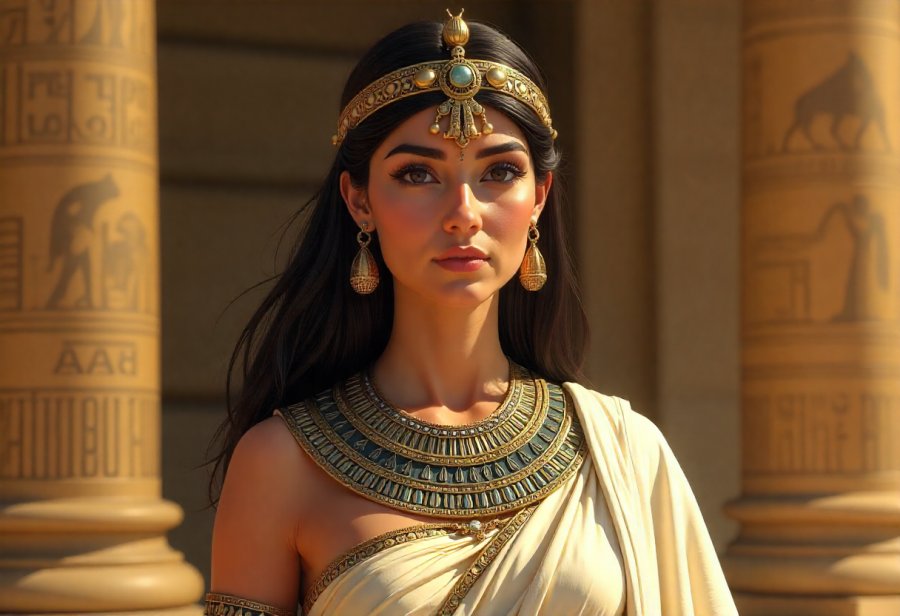
Today, perceptions of Cleopatra are shifting as scholars and the public alike begin to see her in a new light. No longer solely defined by romantic legends or Roman propaganda, she is increasingly recognized as a highly intelligent and strategic leader. Modern research highlights her multilingual abilities, her patronage of arts and sciences, and her diplomatic finesse—traits that reveal a ruler who used her mind as her greatest weapon. This reevaluation challenges long-standing stereotypes that have overshadowed her true achievements, emphasizing her role as a formidable, educated woman who mastered statecraft.
Scholars now focus on her scholarly pursuits and diplomatic skills, painting her as a ruler deeply committed to knowledge and cultural sophistication. Her support for the Library of Alexandria and her involvement in scientific circles underscore her belief that knowledge was a source of power—an influence that extended beyond her personal beauty or romantic alliances. Recognizing her as a patron of learning shifts the narrative toward her intellectual legacy, illustrating how she cultivated an environment of innovation and inquiry in Egypt.
Her political resilience is also gaining renewed appreciation. Cleopatra’s alliances with Julius Caesar and Mark Antony are increasingly seen through the lens of strategic diplomacy rather than mere romance. Her ability to forge and maintain these relationships was rooted in her keen understanding of political dynamics and negotiation. Her diplomatic finesse allowed her to navigate Rome’s expanding influence, helping her preserve Egypt’s independence longer than expected—a testament to her skill as a shrewd stateswoman.
Further, her role in nurturing Alexandria as a center of scientific advancement is now more prominent in historical discourse. Under her patronage, the city became a hub for astronomy, medicine, and mathematics, reinforcing Egypt’s reputation as a cradle of learning. Her curiosity and active support for scholars exemplify her commitment to fostering knowledge, which contributed to her enduring legacy as an intellectual leader. These contributions highlight her foresight in recognizing education as a pillar of cultural and political strength.
As new archaeological discoveries and interdisciplinary research continue to emerge, Cleopatra’s reputation as a scholar-queen is poised to grow even more nuanced. Advances in digital analysis, textual reconstruction, and imaging reveal deeper insights into her scientific interests and personal engagement with scholarly debates. These findings not only fill gaps in her story but also reposition her as a pioneering figure whose curiosity and dedication to knowledge helped shape her reign and Egypt’s cultural identity.
This evolving picture of Cleopatra challenges outdated stereotypes, portraying her less as a romantic icon and more as a trailblazing female leader rooted in resilience, intelligence, and diplomacy. Her story inspires contemporary reflections on leadership, emphasizing that true power lies in wisdom, adaptability, and cultural engagement. As her legacy becomes clearer through ongoing scholarship, Cleopatra stands as a symbol of female agency and intellectual independence—a ruler whose true strength was her mind.
Master of Mind and Diplomacy: Cleopatra’s Scholarly Achievements and Leadership Prowess
Cleopatra’s achievements shine brightest when we look beyond her legendary beauty and focus on her mastery of intellect and diplomacy. Fluent in multiple languages, including Egyptian hieroglyphs and Greek, she was genuinely passionate about learning and understanding the world around her. Her patronage of Alexandria’s famed Library and scientific institutions transformed the city into a vibrant hub of innovation, fostering breakthroughs in astronomy, mathematics, and medicine. Cleopatra believed that knowledge was a source of power, actively supporting scholars and encouraging the pursuit of scientific discovery, which helped extend Egypt’s influence beyond its borders.
Her diplomatic skills matched her scholarly pursuits. Cleopatra was a savvy strategist who understood the importance of alliances and symbolism in maintaining her power. Her relationships with Julius Caesar and Mark Antony weren’t just personal—they were carefully crafted political moves designed to secure Egypt’s independence amid an expanding Roman empire. She communicated fluently in several languages, often speaking directly with foreign leaders and scholars, which gave her a significant edge in negotiations. Her ability to read her enemies and adapt her tactics made her a resilient and effective ruler in a turbulent era.
Leadership for Cleopatra meant balancing her intellectual curiosity with practical governance. Her support for scientific research and her efforts to elevate Alexandria as a center of learning helped reinforce her authority. She recognized that a thriving cultural scene was not only a matter of prestige but also a strategic asset, fostering loyalty and internal stability. Her patronage encouraged innovation and scholarly exchange, making Alexandria a beacon of knowledge that reflected her vision of Egypt as a cultural and intellectual powerhouse.
Her mastery of soft power was evident in how she forged and maintained alliances. The treaties with Caesar and Antony were more than personal bonds—they were strategic moves to preserve Egypt’s sovereignty. Cleopatra’s diplomatic finesse allowed her to navigate Rome’s rising influence while safeguarding her kingdom’s independence. Her ability to read her opponents and turn potential threats into opportunities demonstrated a leadership rooted in insight, patience, and strategic thinking.
Cleopatra’s deep understanding of politics, culture, and science created a unique leadership style—one that integrated intellectual pursuits with pragmatic diplomacy. Her support for the sciences and her dedication to fostering Alexandria’s scholarly community helped cement her legacy as a pioneer of knowledge-driven leadership. Her resilience in the face of external threats and internal rivalries proved that her strength lay in her mind, not just her image.
Her story continues to evolve as new discoveries and technological advances shed light on her scholarly activities and diplomatic finesse. Each archaeological find, from papyrus fragments to inscriptions, adds layers to her legacy, revealing her active engagement with scientific debates and cultural dialogues. This ongoing research helps us see her as a trailblazing figure whose curiosity and commitment to knowledge shaped her reign and Egypt’s enduring cultural identity.
Ultimately, Cleopatra’s achievements remind us that leadership rooted in intelligence and cultural engagement can leave a lasting impact. Her ability to blend scholarly pursuits with strategic diplomacy made her a formidable ruler—one who understood that true power comes from the mind. Her legacy as a scholar-queen continues to inspire, challenging us to value wisdom, resilience, and cultural patronage as essential qualities of effective leadership.
Shaping Tomorrow: The Future of Cleopatra’s Revered Intellectual and Cultural Legacy
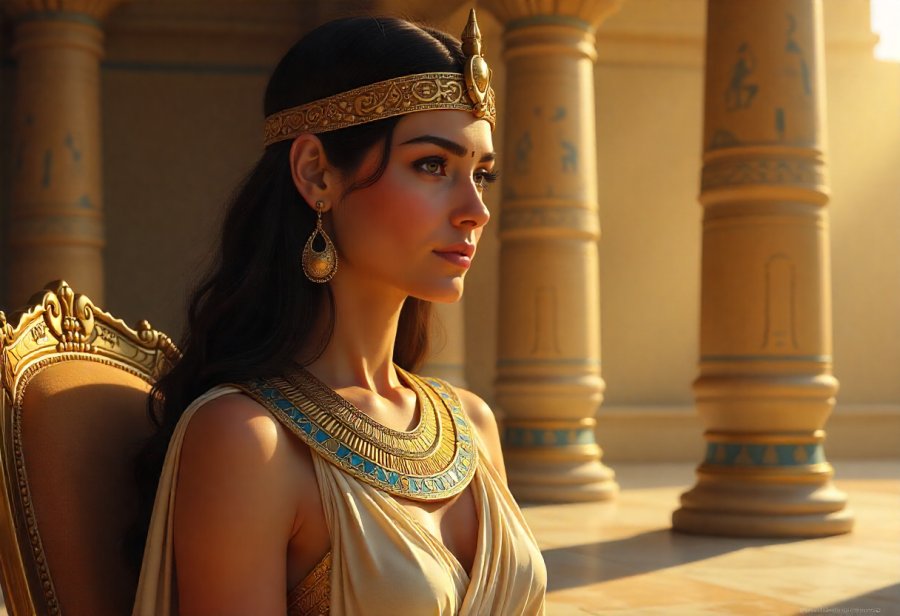
As new discoveries and technological advances continue to reshape our understanding of ancient Egypt, Cleopatra’s reputation as a scholar-queen is poised to grow more nuanced and inspiring. Every archaeological find—be it a fragment of papyrus, an inscription, or a piece of artwork—adds depth to her story, revealing her active engagement in scientific, philosophical, and cultural pursuits. These insights challenge the long-held image of her solely as a romantic figure, highlighting instead her genuine commitment to knowledge and innovation.
Emerging digital tools, such as advanced imaging and textual analysis, are opening unprecedented windows into her reign. They allow scholars to uncover details about her personal involvement in scientific debates, her direct interactions with scholars, and her support for breakthroughs in astronomy, mathematics, and medicine. As these methods become more refined, a clearer picture of her contributions will emerge, positioning her as a pioneering intellectual whose curiosity and dedication helped elevate Egypt’s reputation as a center of learning.
Interdisciplinary research is also reshaping her legacy. Combining gender studies, cultural history, and political analysis places Cleopatra within a broader context of female leadership. Her strategic use of language, symbolism, and knowledge underscores her mastery of soft power—traits that resonate strongly with modern ideas of resilient and intelligent leadership. This perspective elevates her beyond myth, framing her as a trailblazer who used her intellect to navigate and shape a turbulent world.
Future excavations and reinterpretations of existing sources will likely challenge outdated stereotypes that reduce her influence to beauty or romance. Instead, the focus will shift toward her scientific interests, her patronage of Alexandria’s institutions, and her multilingual abilities. These elements demonstrate a ruler who understood that true power came from wisdom, adaptability, and cultural engagement—traits that ensured her survival and enduring influence.
Technological innovations will further uncover her direct involvement in scientific progress and philosophical debates, offering a more personal and detailed view of her intellectual pursuits. Such findings will reinforce her image as a leader who prioritized learning and innovation, inspiring generations to see leadership as rooted in curiosity and resilience. This deeper understanding will help her story transcend the ancient past, making her a symbol of intellectual independence.
Educational initiatives, museum exhibits, and public history projects will play a crucial role in shaping her future reputation. By emphasizing her scientific achievements and diplomatic finesse, these efforts can inspire new generations to value wisdom and cultural engagement as vital leadership qualities. Highlighting her as a pioneer in science and diplomacy will reinforce her legacy as a ruler who believed in the transformative power of knowledge.
As ongoing scholarship continues to add nuance and depth, Cleopatra’s story will shift from romantic legend to a model of resilient, knowledge-driven leadership. Her legacy as a scholar-queen will serve as a compelling reminder that true influence lies in the mind and spirit of a leader committed to understanding and innovation. In this way, her enduring impact will inspire future scholars, leaders, and thinkers to recognize that the greatest power often resides in curiosity, resilience, and the pursuit of knowledge.