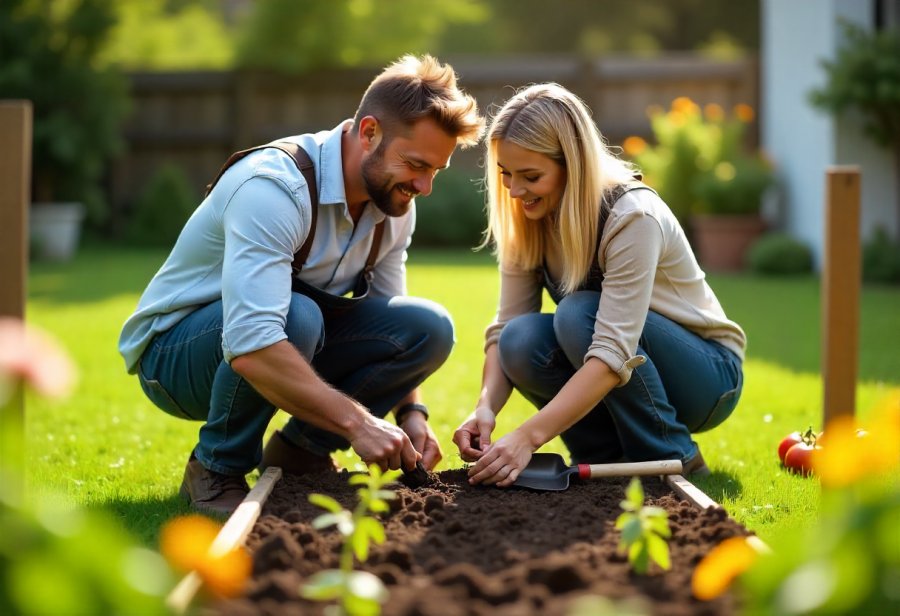
Imagine transforming a Toronto yard into a stunning, eco-friendly retreat that balances beauty with sustainability—how do you achieve this delicate harmony? This guide explores the art of creating outdoor spaces that are not only visually captivating but also environmentally responsible. From native plant selections and permeable paving to smart irrigation and natural pest control, every choice contributes to a resilient, low-maintenance landscape. Real-world examples highlight how small changes can yield big environmental and aesthetic rewards, turning ordinary yards into personalized sanctuaries. But the challenge lies in designing a space that seamlessly integrates these elements while respecting budget constraints and lifestyle needs. Are sustainable landscapes truly achievable without sacrificing style? With careful planning, collaborative design, and eco-conscious materials, homeowners can craft outdoor environments that elevate daily living—creating personal escapes that are as responsible as they are beautiful, and transforming Toronto’s outdoor landscape into a model of harmony between nature and design.
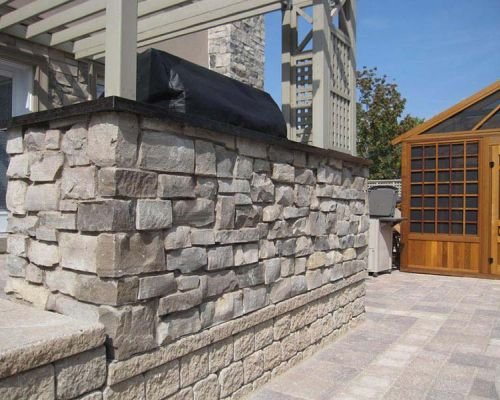
Transform Your Toronto Yard into a Beautiful, Sustainable Outdoor Retreat
Transforming a Toronto yard into a welcoming outdoor retreat is about more than just adding plants or paving stones. It’s a chance to craft a space that balances beauty with environmental responsibility, creating a haven where style and sustainability go hand in hand. As urban yards become increasingly precious, homeowners are eager to design spaces that reflect their personality while supporting local ecosystems. A thoughtfully planned yard isn’t just visually appealing—it’s a place to relax, entertain, and reconnect with nature on a daily basis.
Today’s homeowners want outdoor spaces that do double duty: look great and do good. They’re choosing native plants that thrive in Toronto’s climate, installing water-saving irrigation systems, and avoiding harmful chemicals. This shift isn’t just about aesthetics; it’s a recognition that outdoor spaces can support biodiversity and reduce ecological impact. Creating a sustainable yard means making choices that benefit the environment and your wallet, from using recycled materials to harvesting rainwater.
Designing a yard that feels natural and cohesive requires careful planning. Elements should flow seamlessly, guiding the eye and encouraging movement across the space. Focal points like a striking sculpture, a vibrant native plant bed, or a calming water feature help define zones and add visual interest. When these features are integrated thoughtfully, the yard transforms from a collection of separate parts into a unified outdoor retreat.
Working closely with clients is key. Listening to their needs—whether it’s a low-maintenance garden, a space for outdoor gatherings, or a peaceful sanctuary—ensures the final design truly reflects their lifestyle and values. Open communication about budget, environmental goals, and style preferences builds trust and makes the process smooth from start to finish. The result is a personalized outdoor space that feels both beautiful and responsible.
Incorporating eco-friendly practices from the outset makes a lasting difference. Native plants require less water and care, permeable paving helps manage stormwater, and natural pest control supports local wildlife. Choosing durable, sustainable materials like reclaimed wood or recycled stone not only enhances the aesthetic but also ensures the landscape withstands Toronto’s weather. These thoughtful choices create a resilient yard that remains vibrant and functional for years.
A well-designed outdoor retreat enhances daily life in countless ways. It’s a space that invites relaxation, encourages outdoor activities, and fosters a connection to nature—all while respecting the environment. When style and sustainability are balanced effectively, Toronto homeowners can enjoy a yard that’s as functional as it is beautiful, transforming everyday outdoor moments into something truly special.
Master the Core Principles of Landscape Transformation and Client Collaboration
Creating a successful landscape transformation begins with a solid understanding of core design principles. A well-balanced yard isn’t just about scattering plants and features randomly; it’s about arranging elements in a way that feels natural and cohesive. Good layout guides the eye smoothly across the space, helping to define distinct zones and create a sense of flow. Focal points such as a striking sculpture, a cluster of native plants, or a tranquil water feature draw attention and add visual interest, turning the yard into an inviting environment rather than a collection of disparate parts.
Incorporating environmental considerations is equally vital. Using native plants that are suited to Toronto’s climate reduces water and maintenance needs while supporting local ecosystems. Sustainable materials like recycled stone or reclaimed wood add character and durability, enhancing the landscape’s resilience. Water-efficient systems such as rainwater harvesting or drip irrigation minimize resource use and help landscapes withstand weather fluctuations, making them more sustainable in the long run.
Working closely with clients shapes a landscape that reflects their lifestyle and preferences. Listening carefully to their needs—whether it’s a low-maintenance garden, a space for entertaining, or a peaceful retreat—ensures the final design aligns with their vision. Clear communication about budgets, environmental goals, and stylistic choices fosters trust and streamlines the process from concept to completion. This collaborative approach results in a personalized outdoor space that is both functional and meaningful.
Design principles also emphasize how the space functions daily. Pathways should be easy to navigate, seating areas thoughtfully placed for privacy or socializing, and plantings arranged to support these zones. A balanced layout makes the yard feel like an extension of the home—an outdoor environment that encourages relaxation, outdoor activities, and social gatherings. When these elements are integrated seamlessly, the yard becomes more than just visually appealing; it becomes an integral part of everyday life.
Sustainable practices are woven into every step of landscape design. Native plants, permeable paving, and natural pest control support biodiversity and resilience, helping the yard adapt to changing weather and reducing ongoing maintenance. Durable, eco-friendly materials such as reclaimed stone stand up well to Toronto’s climate and add a timeless touch. These choices make the landscape easier to care for, ensuring it remains vibrant and functional over the years.
Effective communication with clients throughout each stage of the project is essential. Sharing ideas, listening to feedback, and making adjustments as needed help turn initial concepts into stunning realities. Explaining the benefits of eco-friendly options encourages clients to embrace sustainability, enhancing their overall satisfaction. When everyone is aligned, the transition from design to installation becomes smooth, culminating in a landscape that is both beautiful and responsible.
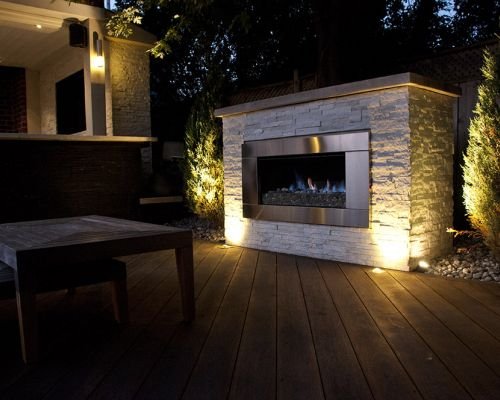
Explore Current Trends and Innovations Reshaping Toronto’s Outdoor Spaces
Toronto’s outdoor spaces are evolving rapidly, driven by new trends and shifting homeowner expectations. Today’s clients want more than a beautiful yard—they seek outdoor retreats that blend style, functionality, and sustainability. Modern features like sleek patios, fire pits, and integrated lighting now extend usability into the evening, creating inviting spots for gatherings and quiet relaxation alike. Alongside these amenities, there’s a strong emphasis on native plants and eco-friendly materials, reflecting a growing commitment to reducing environmental impact while maintaining visual appeal.
Homeowners are increasingly drawn to low-maintenance landscapes that conserve resources and require less ongoing care. Drought-tolerant plants, permeable paving, and water-efficient irrigation systems are becoming standard requests. These choices aren’t just about saving money—they respond to climate concerns and support local ecosystems. This shift challenges designers to create outdoor spaces that are resilient, attractive, and aligned with sustainability goals, proving that style and environmental responsibility can go hand in hand.
Innovative hybrid approaches are gaining popularity, balancing ornamental appeal with eco-conscious practices. Native plants thrive naturally in Toronto’s climate, reducing the need for watering and chemical inputs. Features like rain gardens, permeable pavers, and solar lighting enhance both aesthetics and environmental performance. These solutions help yards withstand weather fluctuations and demand less maintenance, making sustainable landscaping more attainable and attractive.
Technological advances also influence Toronto’s outdoor scene. Smart irrigation systems that respond to weather conditions, solar-powered lighting, and natural pest control methods are becoming common, adding modern touches that boost sustainability. Staying ahead of these trends enables designers to craft yards that feel fresh and efficient, appealing to eco-aware homeowners looking for both convenience and conservation.
Given Toronto’s dense urban environment, maximizing limited outdoor space remains a priority. Creative solutions like vertical gardens, compact patios, and multi-functional zones help small yards feel expansive and inviting. The focus is on designing outdoor retreats that deliver style, practicality, and ecological benefits, demonstrating that even modest spaces can become vibrant, sustainable escapes. This ongoing innovation keeps Toronto’s outdoor landscape dynamic, paving the way for future transformations.
Homeowners now expect their outdoor spaces to be personal, functional, and environmentally friendly. This means integrating features that support wildlife, manage stormwater naturally, and reduce chemical use—all while maintaining visual appeal. The demand for eco-conscious designs encourages a shift toward materials and plants that are suited to Toronto’s climate, ensuring longevity and resilience.
Designers are responding by blending aesthetics with sustainability at every level—from layout and plant choices to materials and technology. The result is outdoor spaces that are not only beautiful but also resilient and low-impact, supporting both the environment and the homeowner’s lifestyle. As Toronto’s outdoor scene continues to evolve, the focus remains on creating retreats that are as responsible as they are inspiring.
Ultimately, the current landscape of Toronto outdoor spaces reflects a city embracing innovation and sustainability. Homeowners and designers are working together to craft outdoor retreats that are stylish, functional, and eco-friendly. These landscapes don’t just enhance curb appeal—they contribute to a healthier, more vibrant city, proving that the best outdoor spaces are those that balance beauty with responsibility.
Navigate Cost and Budget Strategies for Eco-Friendly Landscape Projects
When planning a landscape transformation, understanding the financial landscape is essential for making sustainable choices that fit your budget. Costs can vary widely depending on yard size, chosen materials, and the complexity of the design. Starting with clear estimates for design fees helps you grasp what’s involved in crafting a tailored plan. From there, material costs—such as native plants, permeable pavers, and eco-friendly features—add up, but these investments often pay off through lower maintenance and water bills over time.
While eco-conscious features may seem more expensive initially, they tend to save money long-term. Water-efficient irrigation systems, drought-tolerant plants, and durable, sustainable materials reduce ongoing expenses, making your landscape more cost-effective over the years. When evaluating value, it’s smart to look beyond the upfront price and consider how these features will cut costs and effort over time, providing ongoing benefits.
Balancing your budget with your sustainability goals calls for a strategic approach. Phasing projects can make eco-friendly upgrades more manageable financially. Starting with essentials like native plants and water-saving systems allows you to enjoy immediate benefits while planning for future enhancements. This staged approach offers flexibility, giving you room to learn and adapt as your budget allows, ensuring each step aligns with your long-term vision.
Maintenance costs also play a crucial role in the overall investment. Landscapes built with native plants, permeable paving, and natural pest control tend to need less chemical input and watering, which lowers costs and environmental impact. These choices make your yard easier to care for and help keep expenses predictable, avoiding surprises that can strain your budget.
Investing in high-quality, eco-friendly materials may come with a higher initial price tag, but these often increase your property’s value and durability. Reclaimed stone, recycled pavers, and native plants withstand Toronto’s climate and age gracefully, saving you money on repairs and replacements. Plus, a beautiful, sustainable yard boosts curb appeal and creates a welcoming environment for family and visitors alike.
For those working within tighter budgets, practical steps can still lead to an attractive, eco-friendly yard. Native plants require less care and water, making them a cost-effective choice. Simple DIY projects like installing basic lighting or building garden beds can further cut costs. Spreading your project over time allows prioritization of what matters most now, with the option to add features later as funds permit.
Ultimately, a well-structured budget that emphasizes long-term savings and environmental responsibility makes sustainable landscaping accessible. By understanding the true costs involved and focusing on value, you can create an outdoor retreat that’s both stunning and responsible. This approach ensures your yard remains a source of pride and enjoyment, blending aesthetic appeal with ecological integrity for years to come.
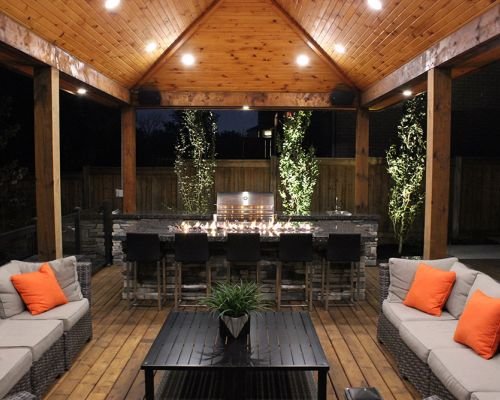
See How Sustainable Designs Enhance Daily Life with Inspiring Real-World Examples
A well-designed, sustainable landscape can truly transform everyday outdoor living. Picture stepping into a backyard where native plants flourish with minimal watering and upkeep, creating a lush, calming retreat. Instead of wasting hours on maintenance, you find more time to relax, entertain, or simply enjoy nature’s beauty. Features like drought-resistant grasses, rain gardens, and natural pest control don’t just enhance the scene—they support local wildlife and reduce your environmental footprint.
Take a Toronto family that replaced their traditional lawn with native grasses and drought-tolerant shrubs. Their yard now requires less watering, fewer chemicals, and little fuss, making it easier to care for while helping the environment. They added a rain garden to naturally manage stormwater runoff, which attracts butterflies and bees, turning a simple project into an eco-friendly oasis. It’s a clear example of how small changes can have a big impact, blending beauty and responsibility.
Another homeowner transformed their backyard into a sleek, modern retreat by installing permeable pavers and solar-powered lighting. Their patio now feels spacious and inviting, perfect for evening gatherings or quiet evenings outdoors. The eco-conscious features not only look great but also lower energy and water use, proving that sustainability and style can go hand in hand. These projects highlight how thoughtful design can elevate outdoor spaces into personal escapes that are both beautiful and functional.
Many Toronto residents are discovering that eco-friendly landscapes can boost property value. Well-planned yards with native plants, water-saving systems, and durable materials appeal to buyers who value both aesthetics and sustainability. These spaces are resilient through Toronto’s weather swings and require less ongoing care, making them practical investments. As awareness grows, more homeowners are choosing landscapes that reflect their values while enhancing their quality of life.
Even small steps, like planting native species or installing rain barrels, can make a noticeable difference. These improvements foster a stronger connection to nature and encourage outdoor enjoyment, all while supporting a healthier urban environment. Creating a sustainable yard isn’t about huge overhauls—it’s about smart, manageable choices that add up over time, turning your outdoor space into a lively, responsible retreat.
Many of these transformations demonstrate that sustainability doesn’t mean sacrificing beauty. Instead, it’s about enhancing the natural qualities of your yard with thoughtful features that flourish over time. From native plants to natural materials, each decision contributes to a vibrant, resilient landscape that supports wildlife, conserves resources, and elevates your outdoor experience.
Designing these spaces involves more than aesthetics—it’s about creating environments that are effortless to maintain and long-lasting. Sustainable landscapes adapt well to Toronto’s climate, requiring fewer inputs and repairs. This resilience means more reliable beauty and less stress, letting you enjoy your yard without constant worry or work.
By choosing environmentally responsible options that align with your lifestyle, you turn your yard into a true extension of your home. Every native plant, permeable pathway, or rain capture system adds to a landscape that looks great, feels right, and supports a healthier city. These projects show that beauty and sustainability can coexist beautifully, enriching daily life and contributing to a greener, more vibrant Toronto.