Underground street racing is more than just a display of speed; it’s a powerful culture built on brotherhood, loyalty, and rebellion. These clandestine races forge bonds deeper than blood, as racers rely on each other’s trust amid the chaos of midnight battles on shadowy streets. Rooted in decades of history, their relationships evolve through shared risks, secret alliances, and mutual support, transforming mere competitors into a close-knit family. As technology advances, the scene adapts—embracing social media, electric vehicles, and virtual racing platforms—while maintaining its rebellious spirit. But with law enforcement intensifying crackdowns, racers innovate to preserve their culture, blending tradition with innovation. Will the bonds of loyalty sustain this high-octane brotherhood as it navigates emerging challenges? Underground racing’s future lies in its resilience—continually evolving yet rooted in the core values of speed, trust, and community.
Underground Street Racing: A Culture of Speed and Rebellion
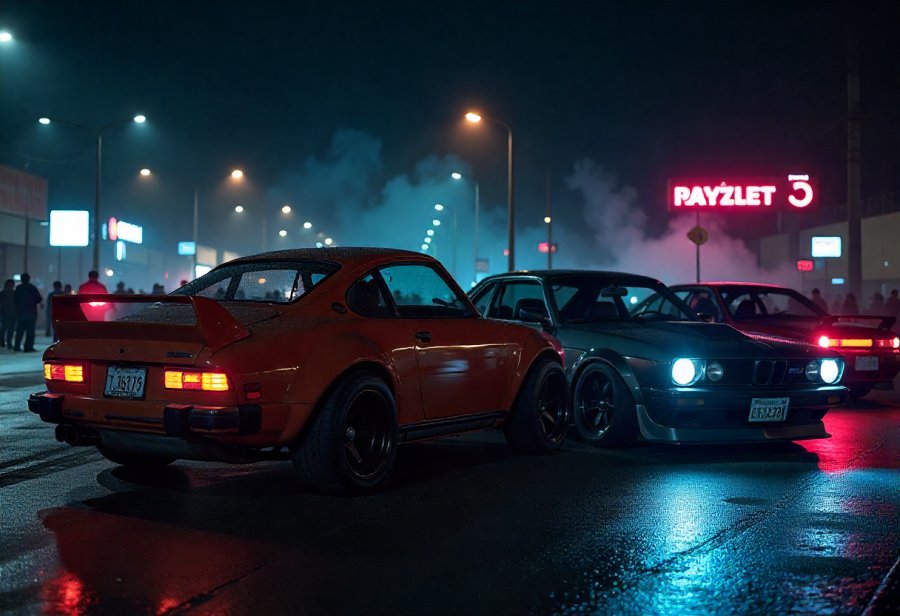
Underground street racing has become a defining feature of urban youth culture, blending adrenaline-fueled speed with a strong sense of community. Unlike official motorsport events, these races happen spontaneously—often late at night in quiet neighborhoods, abandoned warehouses, or empty parking lots. It’s a scene driven by a mix of thrill, skill, and rebellion, offering a space where young drivers can test their limits outside the constraints of legality or tradition.
This clandestine world is more than just about fast cars; it’s a form of self-expression and identity. Racers modify their vehicles extensively—adding turbochargers, custom paint jobs, and suspension upgrades—to stand out and perform better. Night racing provides a sense of cover and secrecy, amplifying the feeling of being part of something rare and rebellious. The darkness becomes a shield, allowing participants to focus solely on the rush of the race and the bonds they forge along the way.
At its core, street racing fosters a tight-knit community rooted in loyalty and trust. Crews operate like families, sharing secrets, supporting each other through repairs, and celebrating victories together. These relationships deepen amid the high stakes and adrenaline of late-night drives, creating bonds that often last a lifetime. For many, it’s not just about winning races but about belonging to a brotherhood that values loyalty above all.
Media portrayals, from movies like the “Fast and Furious” series to hip-hop anthems, have helped romanticize this underground scene, embedding it into urban culture. Despite ongoing crackdowns and safety concerns, the scene persists because it taps into fundamental human desires—adrenaline, recognition, and community. Underground street racing remains a powerful expression of youthful defiance, resilience, and the deep connections that form when speed and trust collide in the shadows of the city.
From Street Origins to Societal Phenomenon
Underground street racing didn’t emerge overnight; its roots stretch back several decades, born from a shared desire among car enthusiasts to push their vehicles beyond official limits. In cities where legal racing venues were scarce or difficult to access, drivers started gathering informally in quiet neighborhoods, abandoned industrial zones, and deserted parking lots. These makeshift tracks became the starting point of a scene fueled by adrenaline, skill, and a rebellious spirit that challenged authority and societal norms alike.
During the 1970s and 80s, the scene expanded alongside the rise of car culture. Japanese imports like Nissan Skylines and the popularity of American muscle cars created a landscape ripe for modification and personalization. Enthusiasts tuned their cars for maximum performance, transforming everyday rides into symbols of resilience and identity. These gatherings weren’t just about racing; they evolved into social events where crews built reputations, shared secrets, and earned trust, turning streets into proving grounds of loyalty and skill.
Media has played a crucial role in shaping perceptions of underground racing. Films like the “Fast and Furious” series romanticized the scene, emphasizing brotherhood, rebellion, and high-stakes speed. Hip-hop and rap music further embedded street racing into urban identity, celebrating its adrenaline rush and community aspects. These cultural influences helped elevate it from a fringe activity to a symbol of youthful defiance, attracting a broader audience eager for excitement and belonging.
Socioeconomic factors also heavily influenced the scene’s development. For many racers from neighborhoods with limited recreational options, street racing became a way to gain recognition and pride. It offered a space where talent and daring could be showcased regardless of social background. Crews operated like families, sharing knowledge, supporting each other through setbacks, and reinforcing bonds that often lasted beyond the races themselves.
Despite its reputation for danger, the scene has persisted because it fulfills deep human needs—adrenaline, community, and self-expression. The streets became a stage where marginalized youth could carve out a space for themselves, turning the urban landscape into a proving ground for resilience and identity. The raw energy and rebellious spirit continue to draw new generations, ensuring that underground racing remains a vital part of urban culture.
As law enforcement efforts have intensified, the scene has adapted rather than disappeared. Undercover operations, surveillance technology, and stricter penalties have pushed racers to find new ways to organize and race secretly. This ongoing cat-and-mouse game has fostered innovation, with some participants turning to virtual platforms and digital communities that allow high-speed competition without physical risk. The scene’s resilience lies in its ability to evolve while holding onto its core rebellious identity.
Today, the history of underground street racing reflects more than just a pursuit of speed; it embodies a broader story of resistance, community, and identity. It’s a culture shaped by necessity and passion, where the streets serve as both battleground and sanctuary. This history reveals a scene that, despite pressures and challenges, continues to thrive because it offers a space where trust, loyalty, and daring collide—qualities that keep the spirit of underground racing alive across generations.
The Modern Scene: Tech, Trends, and Safety Innovations
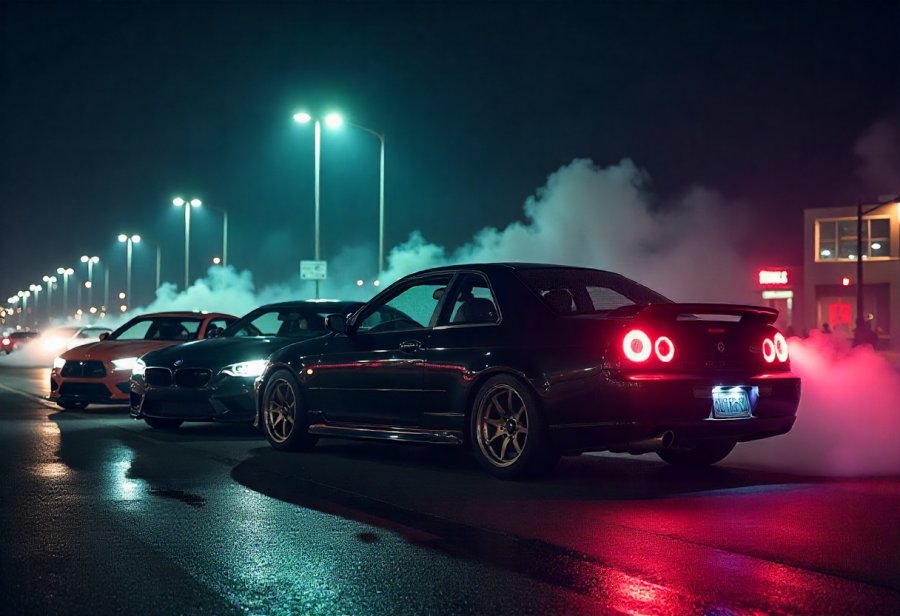
The underground street racing scene today is more dynamic and tech-savvy than ever before. Thanks to social media and encrypted messaging apps, organizers and racers coordinate with greater discretion, allowing races to happen more frequently and across wider areas. This digital connectivity not only helps avoid law enforcement but also broadens the scene’s reach, attracting newcomers from diverse backgrounds eager to test their skills on the streets. The scene’s evolution reflects a mix of tradition and innovation—balancing raw adrenaline with modern convenience.
Car modifications continue to play a vital role, but the methods have become more sophisticated. Enthusiasts now use advanced tuning software, electric upgrades, and even AI-driven performance tools to push their vehicles to new heights. Popular models like Nissan Skylines, Mazda RX-7s, and American muscle cars such as Mustangs are still favorites, but owners often customize with eye-catching paint, aggressive body kits, and unique rims. Each build becomes a reflection of the driver’s style, blending artistry with technical skill in a way that elevates the scene’s creative edge.
While illegal races still take place in hidden spots, there’s a noticeable shift toward semi-organized events that incorporate safety measures. Some races now operate under permits, with safety gear and regulated routes, offering a safer alternative without losing the thrill. In this way, the scene adapts to the increasing pressure from law enforcement while maintaining its rebellious spirit. Drivers are becoming more inventive in finding new locations and times, often turning to virtual racing platforms that simulate high-speed runs, satisfying their need for competition without physical risks.
Nighttime remains the preferred setting for these races, providing cover and a sense of intimacy among participants. Quiet neighborhoods, abandoned warehouses, and deserted parking lots serve as the perfect backdrop for high-speed battles. Darkness not only shields racers from authorities but also fosters a brotherhood built on trust and shared adrenaline. These nocturnal gatherings reinforce bonds that go beyond the cars—creating a sense of kinship rooted in secrecy, mutual support, and the shared pursuit of speed.
Looking ahead, technological advances promise to reshape underground racing further. Electric vehicles and AI tuning will likely become commonplace, making high-performance street racing cleaner, quieter, and potentially safer. The scene is also becoming more inclusive, with younger drivers and women entering the fold, bringing fresh perspectives and new energy. Despite external challenges, the core appeal remains unchanged: the thrill of speed, the strength of brotherhood, and a rebellious drive to push boundaries. This resilience ensures underground street racing continues to thrive as a vital part of urban youth culture.
Brotherhood on the Streets: Loyalty, Trust, and Kinship
In underground street racing, the relationships that form among racers go far beyond just competing for speed. These bonds are rooted in trust, loyalty, and shared experiences, creating a sense of family that’s hard to find elsewhere. Racers don’t just show up for a race; they rely on each other’s support, whether it’s sharing insider tips on modifications or helping fix a damaged car. This mutual dependency builds a deep connection that turns casual acquaintances into lifelong brothers. The late-night sessions, filled with adrenaline and anticipation, become moments where trust is forged under pressure, making every member feel like they’re part of something bigger than just a race.
Loyalty is the backbone of this culture. Racers often belong to crews or groups that operate like tight-knit families, where secrets are kept safe and support is unconditional. They share more than just technical knowledge—they share personal stories, struggles, and victories. After a successful run or a tough setback, these crews come together, reinforcing their commitment through shared experiences. The bonds formed in these moments are fierce, built on mutual respect and a sense of belonging that withstands rivalries and external threats.
Night racing creates an environment where these relationships deepen. Darkness provides cover, but it’s the shared adrenaline and risk that truly bond the racers. They watch each other’s backs, knowing that trust is vital when speed and danger are involved. Whether it’s helping a teammate with repairs or offering quiet reassurance during tense moments, these acts of support forge a kinship rooted in loyalty and understanding. The secrecy of their meetings only intensifies this sense of trust, as each member knows they’re part of a clandestine brotherhood that values loyalty above all.
Beyond the races, the community extends into garages, streets, and quiet hangouts where friends gather to talk cars, life, or upcoming events. These shared passions and conversations reinforce their bonds, turning casual friendships into lifelong connections. Over time, these relationships become sources of emotional strength, providing stability amid the challenges of their everyday lives. It’s in these moments—shared over engines, stories, and mutual support—that the true spirit of brotherhood emerges.
Conflicts and rivalries are inevitable in such a fiercely loyal scene. Disputes over territory, results, or personal issues can test these bonds. Yet even in tension, many racers see these conflicts as part of the raw, intense nature of their world. Most recognize that loyalty isn’t easily broken, and that the strength of their relationships is rooted in shared history and mutual respect. External pressures, like law enforcement crackdowns, only underscore the importance of secrecy and trust, pushing crews to operate more cautiously but never abandoning their core bonds.
The loyalty cultivated through these shared experiences transforms risky activities into a resilient community. It’s a network built on trust, where members support each other through setbacks and celebrate victories together. These bonds turn fleeting moments of adrenaline into lasting relationships that extend beyond the street. They remind everyone involved that, amid the roar of engines and the darkness of night, it’s the brotherhood—founded on loyalty—that truly drives the scene forward.
At its heart, underground street racing isn’t just about cars and speed—it’s about the people who share the ride. The trust and kinship that develop create a culture where support and loyalty thrive despite external threats. These relationships are genuine, deep, and enduring, offering a sanctuary from the challenges of the outside world. The bonds formed in the shadows of night become the foundation of a community that continues to grow stronger, keeping the spirit of brotherhood alive through every race, repair, and shared secret.
The Road Ahead: Technology, Inclusivity, and Evolving Risks
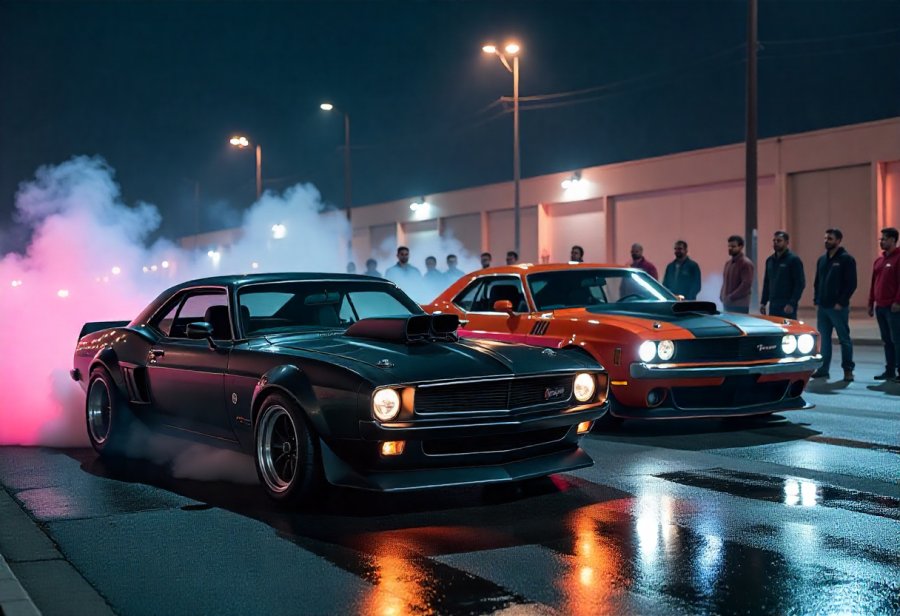
The future of underground street racing is poised for significant change, driven by rapid technological advancements and shifting cultural attitudes. Digital tools like social media, encrypted messaging apps, and online forums are making it easier for crews to coordinate races discreetly and organize more complex events. This increased connectivity not only helps racers avoid law enforcement scrutiny but also expands the scene’s reach, attracting a broader and more diverse group of enthusiasts eager to test their skills. As a result, the scene is evolving from localized gatherings into a more global, interconnected community rooted in shared passion and innovation.
Technological developments in vehicle tuning and performance are set to reshape what’s possible on the streets. Electric powertrains, with their quieter operation and lower emissions, are gaining popularity among racers seeking sustainable alternatives without sacrificing speed. AI-driven tuning and performance software allow for precise adjustments, pushing cars to new limits while enhancing safety and reliability. These innovations may transform street racing into a more sophisticated sport, blending traditional rebellion with cutting-edge tech, and opening the door for a new generation of racers eager to push boundaries responsibly.
Law enforcement’s increasing use of surveillance and crackdown strategies presents ongoing challenges. As authorities deploy more advanced cameras, undercover operations, and data analysis, racers are becoming more inventive in finding new hidden spots and timing their races carefully. Some are turning to virtual racing platforms, where digital competitions mimic the thrill of the streets without real-world risks. This shift helps preserve the adrenaline and brotherhood at the core of the scene while reducing safety hazards and legal consequences, ensuring that the culture adapts rather than disappears.
Culturally, underground racing is becoming more inclusive, welcoming younger drivers and women who previously faced barriers. Online communities and social media platforms foster a sense of belonging and shared identity, encouraging diverse voices and styles to emerge. This inclusivity not only broadens the scene’s appeal but also infuses it with fresh energy and ideas. As the scene continues to mature, it balances its rebellious roots with a more responsible, community-oriented approach, reflecting an evolution that respects safety while preserving the thrill and camaraderie that define it.
Looking ahead, the scene’s resilience lies in its ability to adapt and innovate. Semi-organized races with safety measures, sanctioned events, and digital competitions are likely to coexist with traditional street racing, offering options that balance excitement with responsibility. As technology becomes more integrated into the culture, underground racing will remain a vital part of urban youth identity—constantly pushing boundaries, forging bonds, and redefining itself in a landscape that’s as dynamic as the engines that power it.